History

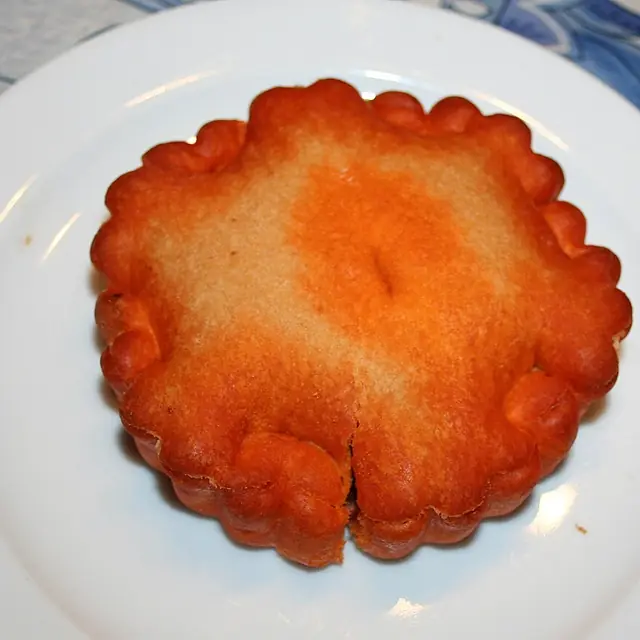
The tielle came to Sète with fishermen from Gaeta, north of Naples, who settled the port from the 1880s onwards. The Italian original is a covered pie; the Sète version fixed on octopus because that is what the boats brought in, and on the distinctive crimped seal around the rim. It was a household recipe sold from doorsteps until the 1930s, when Adrienne Virduci began producing it commercially and the tielle became the town's emblem. Montpellier does not claim the dish, and no serious local cook pretends otherwise, but the traiteur counters in the covered halls carry it year-round.
Common allergens: Gluten, Molluscs, Eggs

Where to eat tielle sétoise

Tielle sétoise in Montpellier

Halles Laissac ★ 4.6

ÉcussonMon-Wed and Fri-Sat 07:00-20:00; Thu 07:00-23:00; Sun 07:00-15:00, to 17:00 April-September

Halles Laissac packs 24 traders under a rebuilt rotunda on Place Alexandre Laissac in Montpellier, oyster and tielle counters pouring wine into the evening.

Tip: Thursday is the night to come, when the halles run until 23:00 and the central tables turn into one long apéro.

Halles Castellane ★ 4.5

ÉcussonMon-Sat 07:00-20:00; Sun and holidays 07:00-13:30

Halles Castellane is Montpellier's iron-and-glass central market on Rue de la Loge, 25 stalls of cheese, oysters and produce a minute from the Comédie.

Tip: Several stalls shuck Bouzigues oysters to eat on the spot with a glass of Picpoul; go before noon for the full spread.

Halles Jacques Cœur ★ 4.3

AntigoneMon-Sat 07:00-20:00; Sun and holidays 07:00-14:00

Halles Jacques Cœur feeds Antigone in Montpellier with 22 stalls, Tarbouriech oysters and lunch counters trading under the esplanade's neoclassical flats.

Tip: The Tarbouriech stand serves the lagoon's famous pink oysters without the drive to Marseillan; weekday lunch is calmest.

All Montpellier signature dishes →

More cities are in research. Want tielle sétoise covered somewhere specific? Tell us where you want to eat.

Browse all dishes →