$$$$
Tasting $1,800 to $2,200Tasting menuCentro HistoricoChef Thalia Barrios Garcia
Levadura de Olla in Oaxaca is Thalia Barrios Garcia's Garcia Vigil room, Mexico's first regional Michelin star (2024, retained 2025) on the Andador.
Book3 to 6 weeks ahead
TipReservations open one month out on the website and disappear within hours; the Sierra Sur tasting menu (six courses) lands around $1,800 pesos.
$$$$
Tasting $700 to $1,100MexicanCentro HistoricoChef Celia Florian
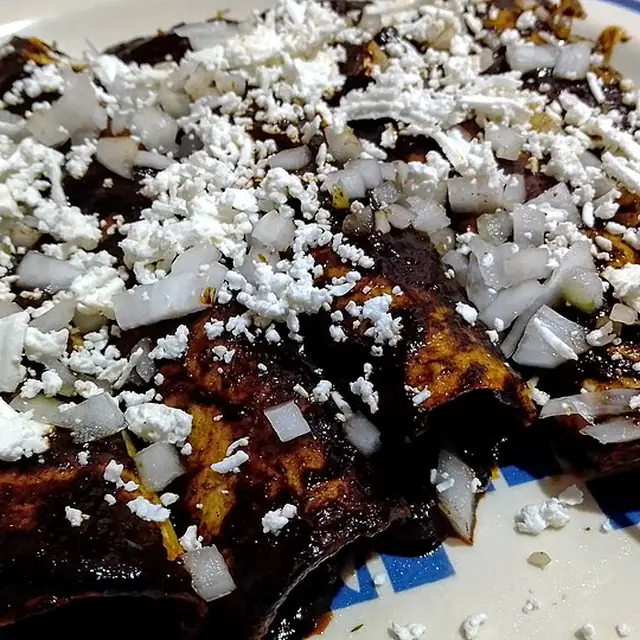
Las Quince Letras is Celia Florian's women-owned mole room since 1992 near Santo Domingo, where the mole negro runs more than thirty ingredients.
Book1 week ahead
TipOrder the duo-de-moles or trio-de-moles to see the kitchen's range across three sauces in one sitting.
$$$$
Tasting $650 to $950MexicanCentro HistoricoChef Catedral kitchen team
Restaurante Catedral one block from the cathedral runs a generous courtyard with live music and a seven-moles menu (negro, chichilo, amarillo, verde).
Book1 week ahead
TipTuesdays closed; the moles oaxaquenos platter for two is the standard ask. Live music after 8pm most nights.
$$$$
Tasting $600 to $900MexicanCentro HistoricoChef Pablo Manzano
Los Pacos on Abasolo with a rooftop terrace runs seven moles on one tasting board for the canonical mole-flight of the city across two sittings daily.
Book1 week ahead
TipSkip mains and order the moles-de-Oaxaca tasting plate; bring an appetite and a friend to share the seven.
$$$$
Tasting $1,200 to $1,500MexicanCentro HistoricoChef Olga Cabrera Oropeza
Tierra del Sol on Reforma is Olga Cabrera's three-floor Oaxaca room, named Mexico's Restaurant of the Year for 2026, with a rooftop comal of tetelas.
Book2 weeks ahead
TipSkip the prix fixe and graze through the rooftop comal section; the chichilo and mole amarillo are the headlines.
$$$$
Tasting $1,100 to $1,500MexicanCentro HistoricoChef Alejandro Ruiz
Casa Oaxaca el Restaurante is Alejandro Ruiz's 18th-century townhouse in the shadow of Santo Domingo, the room that built modern Oaxacan technique.
Book2 to 3 weeks ahead
TipBook the rooftop terrace for sunset; the guacamole prepared at the table with grasshoppers is the canonical opener.
$$$$
MexicanXochimilco
Ancestral in Xochimilco is the thatched-roof grove on Lopez Alavez, well away from Centro tourist flow, with the seven-moles tasting platter as the headline.
Why locals goIn Barrio de Xochimilco, the weaving quarter most tourists never reach; thatched-roof grove.
TipTake a taxi (the Lopez Alavez block is a steep climb); book the moles tasting for two.