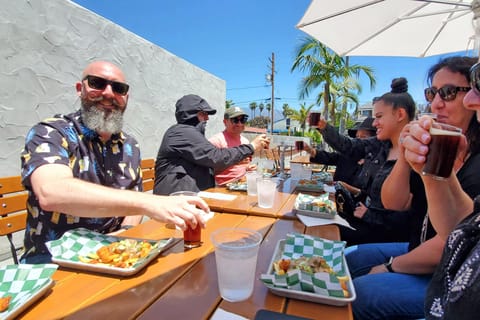
Signature dishes
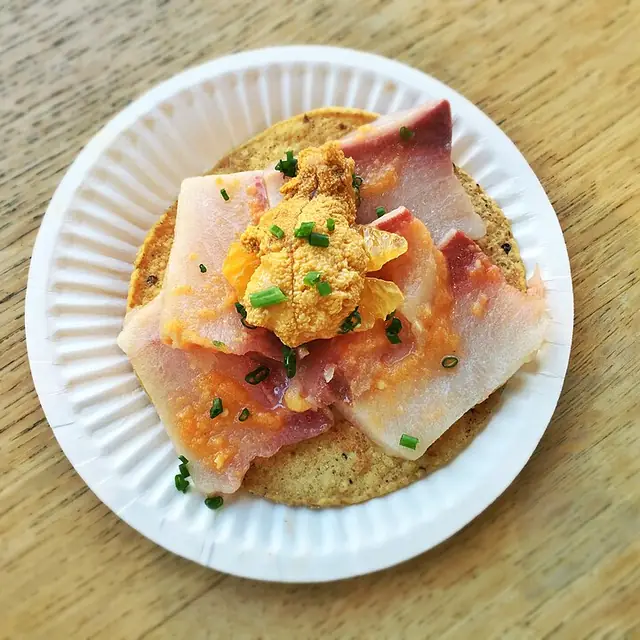
Hand-harvested by hookah divers from Channel Islands kelp beds, Santa Barbara red sea urchin is prized for a sweet, briny, creamy flavour that reflects the cold upwellings and rich kelp forests of the Santa Barbara Channel. The roe is golden-orange in colour and significantly cleaner in taste than alum-preserved imported alternatives. A quarter of the annual local catch is exported to Japan.
Where: Santa Barbara Shellfish Company, Brophy Bros.
Price: $18-32 for a fresh portion
Pulled from the Santa Barbara Channel from February through September, spot prawns are the premium local crustacean: sweet, tender, and distinctive enough that Japanese sushi counters serve them live as amaebi. The season closes October through January for spawning. When in season, they appear grilled with garlic butter at Brophy Bros. and as seasonal features at The Lark.
Where: Brophy Bros., Santa Barbara Shellfish Company
Price: $28-42 as an entree when in season
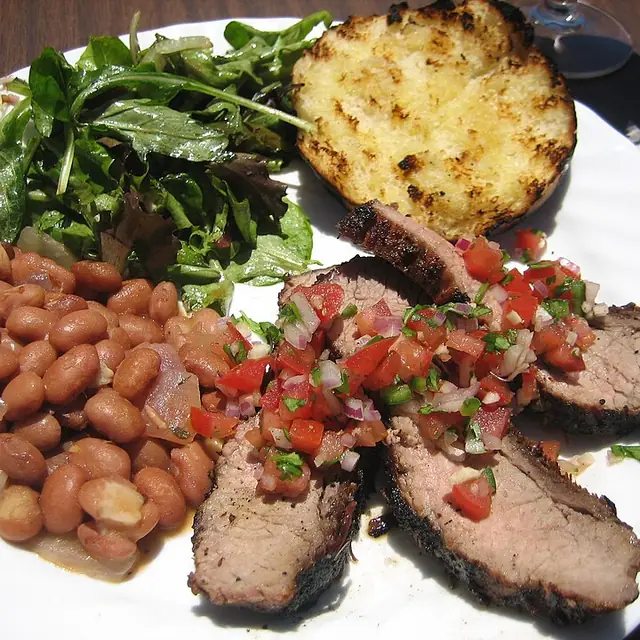
The defining regional barbecue of Santa Barbara County: a bottom sirloin tri-tip cut rubbed with salt, pepper, and garlic, then cooked over coast live oak coals at an adjustable iron grate raised and lowered by a hand crank. Served sliced thin alongside pinquito beans (small pink beans indigenous to the Santa Maria Valley), salsa, and grilled French bread soaked in the drippings.
Where: Brophy Bros.
Price: $22-38 for a full plate
The taco tradition on Milpas Street is built around hand-pressed corn tortillas cooked to order, filled with roasted pasilla chiles, marinated grilled meats, and fresh salsas made daily. La Super-Rica Taqueria has defined this style since 1980, operating on a blackboard menu that changes with what arrived from the market that morning. The format is cash-only, counter-service, and eat-standing or at outdoor tables.
Where: La Super-Rica Taqueria, Los Agaves
Price: $3-4 per taco
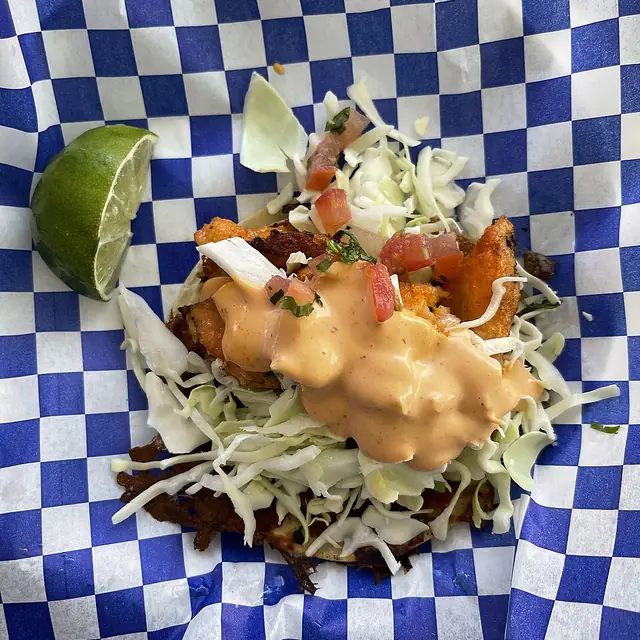
Battered and fried white fish or grilled local species in a corn tortilla with shredded cabbage, crema, and fresh pico de gallo. The Baja tradition crossed into Santa Barbara's coastal taqueria culture and became a menu standard across the harbour-adjacent counters and casual restaurants. Santa Barbara versions frequently substitute local Channel swordfish or halibut for the traditional Baja tilapia or mahi-mahi.
Where: Santa Barbara Shellfish Company, Corazon Cocina
Price: $5-12 per taco
Three species of rock crab (red, yellow, and brown) are harvested year-round from the Santa Barbara Channel, with the red rock crab from deeper waters producing the sweetest, most dense claw meat. Steamed whole and served cracked with drawn butter, this is the Channel's most accessible and consistent seafood, available at Stearns Wharf year-round regardless of season.
Where: Santa Barbara Shellfish Company, Brophy Bros.
Price: $20-32 for a crab portion
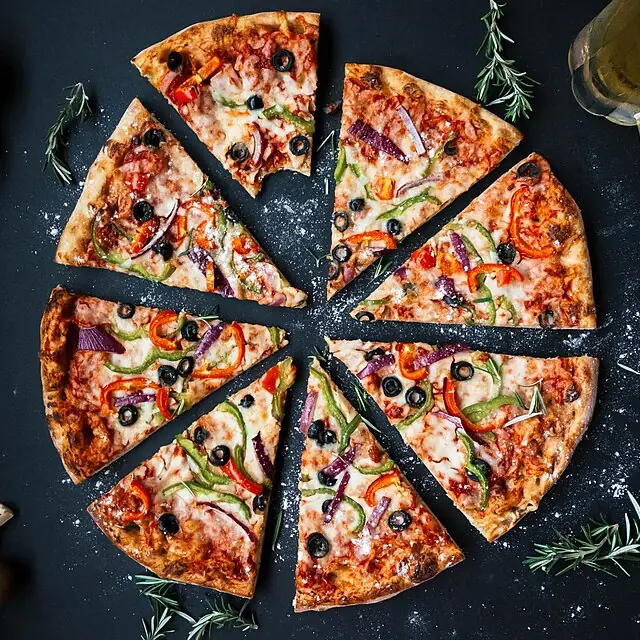
The Funk Zone popularised a distinctive California-inflected wood-fired pizza in the 2010s, shaped by seasonal produce from the Saturday farmers market and the natural leavening tradition. Lucky Penny anchors the Funk Zone approach: counter-service, wine-bar-adjacent, wood-fired pizza alongside frozen rose in a penny-tiled room.
Where: Lucky Penny
Price: $18-28 per pizza
Brophy Bros. has served its award-winning New England clam chowder on the Santa Barbara harbour dock since 1986, and it has become the defining version of the dish in the city: thick, cream-forward, loaded with clams and chunks of potato, with the marine air of the harbour as the seasoning no recipe can replicate. The full-length bar overlooking the marina is the traditional context.
Where: Brophy Bros., Santa Barbara Shellfish Company
Price: $12-18 per bowl
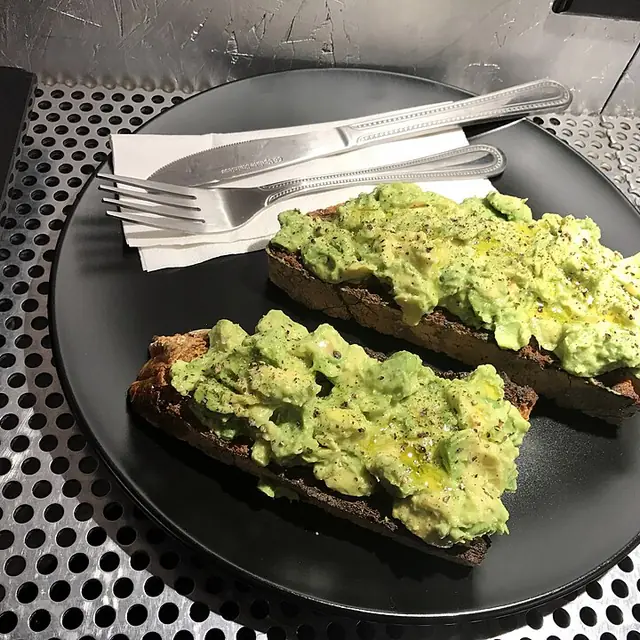
Santa Barbara has a documented claim as the site of the first avocado cultivation in the United States (1871, Judge R.B. Ord's garden near De La Vina Street) and the first commercial orchard (1895, Montecito). Local farms within 30 miles of downtown supply year-round avocados to the Saturday Certified Farmers Market. The dish appears on almost every breakfast and brunch menu in the city in forms ranging from simple to elaborate.
Where: Scarlett Begonia, Helena Avenue Bakery
Price: $12-18
Santa Barbara County's Sta. Rita Hills AVA produces some of California's most distinctive Pinot Noir: cool-climate, high-acid, with red fruit, earth, and a savouriness shaped by marine fog channelled through the transverse mountain range. The Funk Zone's 20-plus tasting rooms bring the county's six AVAs into the city, making Pinot Noir by the glass the default drink of the Funk Zone evening.
Where: The Valley Project, Bouchon Santa Barbara
Price: $15-24 per glass in tasting rooms; $45-95 per bottle retail
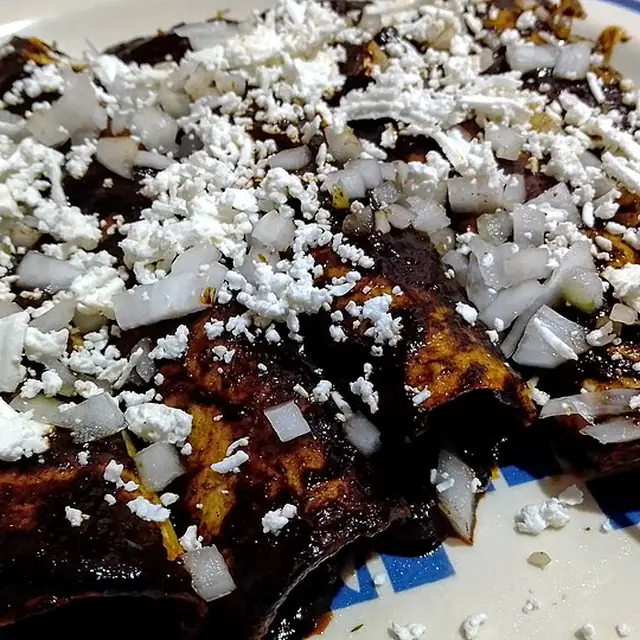
Los Agaves on Milpas Street has earned a Michelin Guide listing in part for its mole negro: a complex sauce built from dried chiles, chocolate, spices, nuts, and charred ingredients that requires hours of preparation and produces a deep, dark, bittersweet result served over chicken or pork with fresh handmade tortillas. The preparation at Los Agaves follows family recipes from traditional Mexican cooking.
Where: Los Agaves
Price: $18-28
Santa Barbara Sea Urchin (Uni)
Hand-harvested by hookah divers from Channel Islands kelp beds, Santa Barbara red sea urchin is prized for a sweet, briny, creamy flavour that reflects the cold upwellings and rich kelp forests of the Santa Barbara Channel. The roe is golden-orange in colour and significantly cleaner in taste than alum-preserved imported alternatives. A quarter of the annual local catch is exported to Japan.
History: The Santa Barbara Channel urchin industry expanded significantly in the 1970s when Japanese export markets emerged; before that, urchins were treated as kelp-farm pests destroyed by commercial divers to protect abalone populations. Diver Stephanie Mutz and other small-boat operators now sell directly at the Saturday Fisherman's Market at the harbour, alongside the wholesale catch that supplies restaurants across the city.
Where to try it: Santa Barbara Shellfish Company, Brophy Bros.
Watch out for: Shellfish
Santa Barbara Spot Prawns
Pulled from the Santa Barbara Channel from February through September, spot prawns are the premium local crustacean: sweet, tender, and distinctive enough that Japanese sushi counters serve them live as amaebi. The season closes October through January for spawning. When in season, they appear grilled with garlic butter at Brophy Bros. and as seasonal features at The Lark.
History: Santa Barbara spot prawns (Pandalus platyceros) are the largest North American shrimp species and have been commercially fished from the Channel for decades. The fishery is managed under an annual catch limit and a seasonal closure to protect spawning populations. Direct boat-to-buyer sales happen at the Saturday Fisherman's Market at the harbour.
Where to try it: Brophy Bros., Santa Barbara Shellfish Company
Watch out for: Crustacean shellfish
Santa Maria Style Tri-Tip
The defining regional barbecue of Santa Barbara County: a bottom sirloin tri-tip cut rubbed with salt, pepper, and garlic, then cooked over coast live oak coals at an adjustable iron grate raised and lowered by a hand crank. Served sliced thin alongside pinquito beans (small pink beans indigenous to the Santa Maria Valley), salsa, and grilled French bread soaked in the drippings.
History: The Santa Maria barbecue tradition originates in the mid-19th century, when Californio ranchers hosted large-scale feasts for vaqueros over earthen pits of coast live oak coals. The Santa Maria Club began formal monthly Stag Barbecues in 1931. The tri-tip cut itself was popularised in the 1950s by Santa Maria butcher Bob Schutz of the Santa Maria Market, who started selling the previously overlooked bottom sirloin triangle as a roasting cut. Today the tradition is centred in Santa Maria (60 miles north) but defines Santa Barbara County's food identity.
Where to try it: Brophy Bros.
Watch out for: Gluten (French bread)
Milpas Street Corn Tortilla Tacos
The taco tradition on Milpas Street is built around hand-pressed corn tortillas cooked to order, filled with roasted pasilla chiles, marinated grilled meats, and fresh salsas made daily. La Super-Rica Taqueria has defined this style since 1980, operating on a blackboard menu that changes with what arrived from the market that morning. The format is cash-only, counter-service, and eat-standing or at outdoor tables.
History: Milpas Street developed as the primary Latino food corridor in Santa Barbara across the 20th century, serving the Mexican and Central American community that predates the city's modern tourism-oriented identity. La Super-Rica Taqueria opened in 1980 under Isidoro Gonzalez, a former Spanish teacher, and operated without national recognition until Julia Child's 1985 television endorsement made it a pilgrimage destination. The taco format at La Super-Rica has not changed since opening in 1980.
Where to try it: La Super-Rica Taqueria, Los Agaves
Watch out for: Gluten (some fillings), Dairy (cheese variants)
California Fish Tacos
Battered and fried white fish or grilled local species in a corn tortilla with shredded cabbage, crema, and fresh pico de gallo. The Baja tradition crossed into Santa Barbara's coastal taqueria culture and became a menu standard across the harbour-adjacent counters and casual restaurants. Santa Barbara versions frequently substitute local Channel swordfish or halibut for the traditional Baja tilapia or mahi-mahi.
History: The fish taco tradition is rooted in Ensenada and the Baja California coast, where battered and fried white fish in corn tortillas developed as street food in the mid-20th century. The format migrated into Southern California coastal cities through the 1970s and 1980s and is now a staple of Santa Barbara's casual seafood counter scene.
Where to try it: Santa Barbara Shellfish Company, Corazon Cocina
Watch out for: Gluten (batter), Fish, Dairy (crema)
Santa Barbara Rock Crab
Three species of rock crab (red, yellow, and brown) are harvested year-round from the Santa Barbara Channel, with the red rock crab from deeper waters producing the sweetest, most dense claw meat. Steamed whole and served cracked with drawn butter, this is the Channel's most accessible and consistent seafood, available at Stearns Wharf year-round regardless of season.
History: Rock crab has been commercially harvested from the Santa Barbara Channel for over a century, valued by local fishing families before the more glamorous spot prawn and sea urchin fisheries developed. The year-round availability makes it the reliable backbone of the Stearns Wharf seafood counters when spot prawns and swordfish are out of season.
Where to try it: Santa Barbara Shellfish Company, Brophy Bros.
Watch out for: Crustacean shellfish
Wood-fired California Pizza
The Funk Zone popularised a distinctive California-inflected wood-fired pizza in the 2010s, shaped by seasonal produce from the Saturday farmers market and the natural leavening tradition. Lucky Penny anchors the Funk Zone approach: counter-service, wine-bar-adjacent, wood-fired pizza alongside frozen rose in a penny-tiled room.
History: California pizza's modern form drew from Wolfgang Puck's Spago kitchen in the 1980s, which introduced California produce and smoked salmon to a Neapolitan format. The Funk Zone iteration developed in the 2010s when converted industrial spaces became restaurant venues: Lucky Penny opened its wood-burning oven in the penny-tiled building next to The Lark, treating naturally leavened dough as the primary ingredient alongside seasonal Central Coast produce.
Where to try it: Lucky Penny
Watch out for: Gluten, Dairy
Santa Barbara New England Clam Chowder
Brophy Bros. has served its award-winning New England clam chowder on the Santa Barbara harbour dock since 1986, and it has become the defining version of the dish in the city: thick, cream-forward, loaded with clams and chunks of potato, with the marine air of the harbour as the seasoning no recipe can replicate. The full-length bar overlooking the marina is the traditional context.
History: New England clam chowder arrived in Santa Barbara via the fishing community's connections to East Coast and Pacific Northwest seafood traditions. Brophy Bros. opened on the harbour in 1986 under the Bennett family and made the chowder a signature from the first service. The dish has won multiple Santa Barbara chowder contest titles and is the most-ordered item on the menu.
Where to try it: Brophy Bros., Santa Barbara Shellfish Company
Watch out for: Shellfish, Dairy, Gluten
California Avocado Toast
Santa Barbara has a documented claim as the site of the first avocado cultivation in the United States (1871, Judge R.B. Ord's garden near De La Vina Street) and the first commercial orchard (1895, Montecito). Local farms within 30 miles of downtown supply year-round avocados to the Saturday Certified Farmers Market. The dish appears on almost every breakfast and brunch menu in the city in forms ranging from simple to elaborate.
History: Judge R.B. Ord planted three avocado saplings from Mexico in Santa Barbara in 1871, making the city the documented first place in the United States where avocados were cultivated and eaten. In 1895 Kinton Stevens planted 120 trees in Montecito, creating the first commercial avocado orchard in the country. Santa Barbara and Carpinteria remain active avocado-growing areas; avocado on toast became a brunch staple across Santa Barbara's cafes and brunch spots from the 2010s onward.
Where to try it: Scarlett Begonia, Helena Avenue Bakery
Watch out for: Gluten (toast)
Santa Barbara County Pinot Noir
Santa Barbara County's Sta. Rita Hills AVA produces some of California's most distinctive Pinot Noir: cool-climate, high-acid, with red fruit, earth, and a savouriness shaped by marine fog channelled through the transverse mountain range. The Funk Zone's 20-plus tasting rooms bring the county's six AVAs into the city, making Pinot Noir by the glass the default drink of the Funk Zone evening.
History: The Santa Maria Valley became Santa Barbara County's first American Viticultural Area in 1981, the second designated in all of California. The Sta. Rita Hills AVA followed in 2001, bringing the most critically acclaimed sub-region into focus. Commercial wine production in Santa Barbara County grew through the 1970s and 1980s led by Sanford and Benedict Vineyard and later Brewer-Clifton, establishing the county's reputation for cool-climate varietals. The 2004 film Sideways brought widespread attention to the Pinot Noir here, and tourism to the wine trail has not receded.
Where to try it: The Valley Project, Bouchon Santa Barbara
Watch out for: Sulphites
Mole Negro
Los Agaves on Milpas Street has earned a Michelin Guide listing in part for its mole negro: a complex sauce built from dried chiles, chocolate, spices, nuts, and charred ingredients that requires hours of preparation and produces a deep, dark, bittersweet result served over chicken or pork with fresh handmade tortillas. The preparation at Los Agaves follows family recipes from traditional Mexican cooking.
History: Mole negro is the most complex of the canonical Mexican mole sauces, originating in Oaxacan cooking and requiring 20 or more ingredients and a multi-day preparation. The dish arrived in Santa Barbara through the Mexican community on Milpas Street; Los Agaves has served the family recipe since opening and the Michelin Guide recognition has drawn attention to the quality of the preparation.
Where to try it: Los Agaves
Watch out for: Gluten (some preparations), Tree nuts, Sesame