

Seoul
2 hours
Seoul: Kimchi Dishes Cooking Class with Rice Wine Pairing
Learn how to make kimchi dishes and enjoy a wine pairing with a sommelier. Taste 4 different kinds of kimchi, and choose to make kimchi pancake,...
from$69Check dates
Napa cabbage salted, slathered in red chilli paste with garlic, ginger, fish sauce and salted shrimp, then fermented to a brightly sour-spicy crunch. Eaten with every Korean meal and the heart of Seoul's banchan culture.
Where to eat it: 3 restaurants across 1 city.
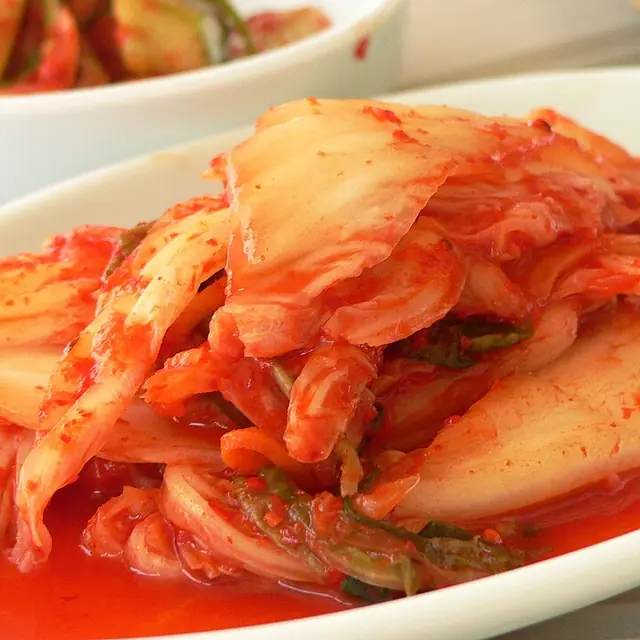
Kimchi traces to at least the Three Kingdoms period (1st century BCE) as a method to preserve vegetables for Korean winters. The spicy red baechu version we know today only emerged after Portuguese traders introduced chillies via Japan in the 17th century; before that, kimchi was salt-only. Seoul households still hold kimjang (the autumn collective making of winter kimchi) in November; UNESCO inscribed kimjang as Intangible Cultural Heritage in 2013. Kimchi varieties exceed 200, but baechu kimchi is the Seoul default; the city's flavour leans slightly less spicy and slightly sweeter than Jeolla or Busan versions.
Tours, tastings and classes that match this page, bookable on GetYourGuide.
2 hours
Learn how to make kimchi dishes and enjoy a wine pairing with a sommelier. Taste 4 different kinds of kimchi, and choose to make kimchi pancake,...

Guided tour · 2.5 - 4.5 hours
Hiking in Busan with a local. Tasting Korean rice wine(Makgeolli) with side dishes(banchan) in a village hidden in an 800m high mountain.
Common allergens: Fish, Shellfish
Tip from the editors. Use coarse Korean sea salt, not table salt; the slower dissolve gives an even cure across the leaves. Iodised salt blocks fermentation.
The most visited samgyetang restaurant in Seoul, set across several traditional hanok houses near Gyeongbokgung Palace with a long daily queue before 11:30.
OrderSamgyetang: whole young chicken packed with glutinous rice.
TipCome at opening on weekdays; queues are shortest before 11:30.
Hadongkwan has served seolleongtang (milky ox bone and brisket soup) from its Myeongdong address since 1939, at a price that remains practically unchanged.
TrySeolleongtang (milky ox bone soup)
One Michelin star for a cultural research institute disguised as a restaurant: chef Cho Eun-hee studies Joseon royal court recipes and reinterprets them.
Book4 to 8 weeks ahead
More cities are in research. Want kimchi (baechu) covered somewhere specific? Tell us where you want to eat.