Signature dishes
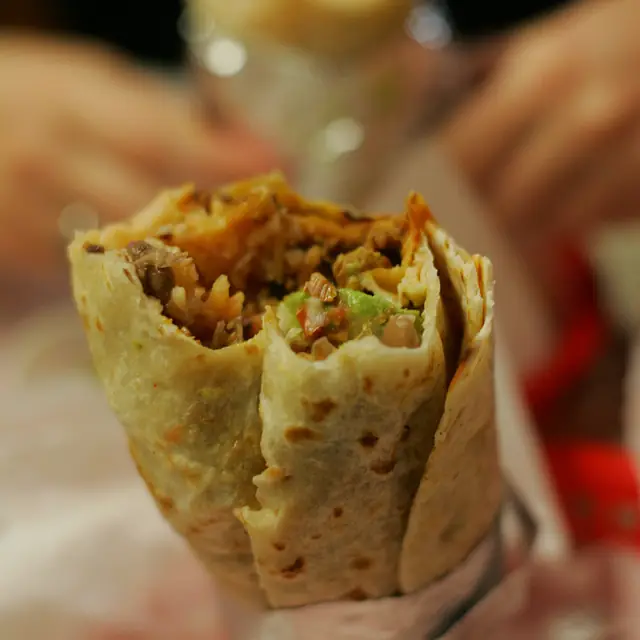
The Mission burrito is San Francisco's defining sandwich: a giant flour tortilla packed with rice, beans, meat, salsa and sometimes cheese or sour cream, foil-wrapped to the table.
Where: La Taqueria, El Farolito, Taqueria Cancun, Taqueria El Buen Sabor
Price: $11 to $16
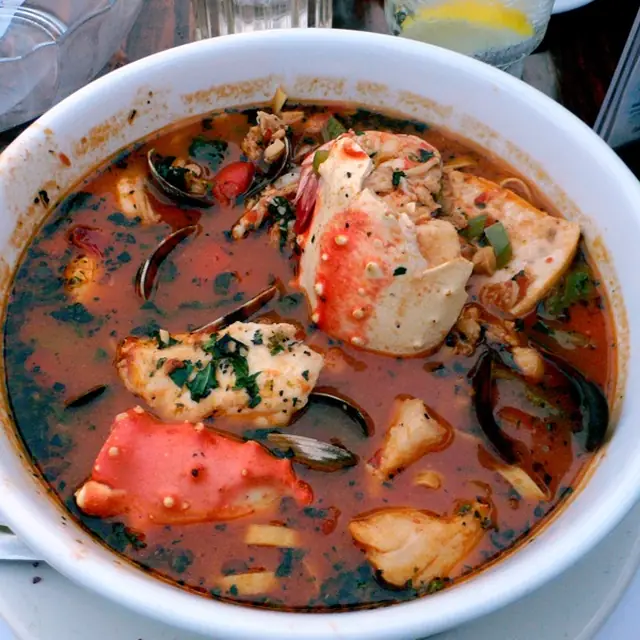
Cioppino is a tomato-and-wine seafood stew of Dungeness crab, clams, mussels, prawns and white fish, invented by Genoese fishermen in San Francisco's North Beach.
Where: Sotto Mare, Tadich Grill, Anchor Oyster Bar, Scoma's
Price: $38 to $58
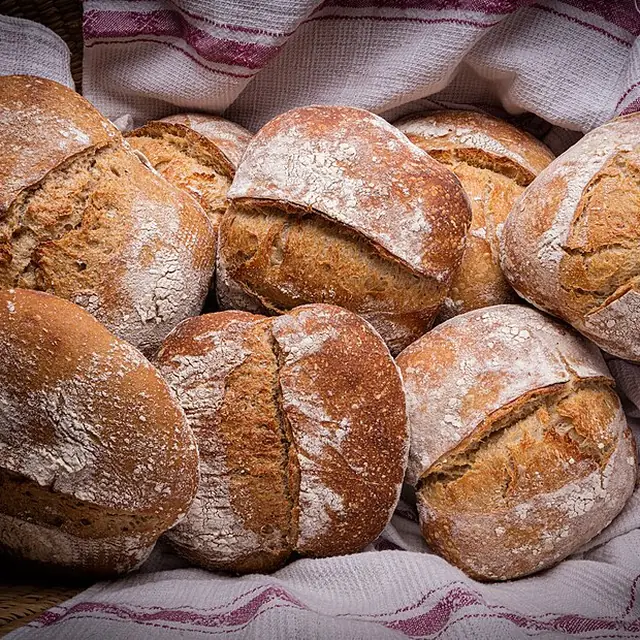
San Francisco sourdough is a tangy, open-crumb white loaf made with a wild starter unique to the city's foggy climate, used for sandwiches and as the base of cioppino bread bowls.
Where: Boudin Bakery, Tartine Bakery, Josey Baker Bread, Jane the Bakery
Price: $8 to $14 a loaf
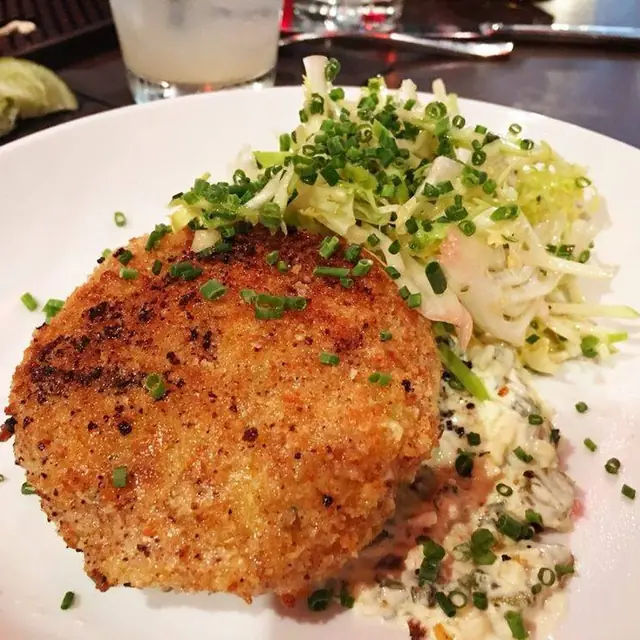
Dungeness crab is the sweet, brown-meat Pacific crab the city eats from mid-November to June, served steamed and cracked at Swan Oyster Depot, Tadich Grill and the Wharf.
Where: Swan Oyster Depot, Tadich Grill, Sotto Mare, Anchor Oyster Bar
Price: $45 to $75 a whole crab
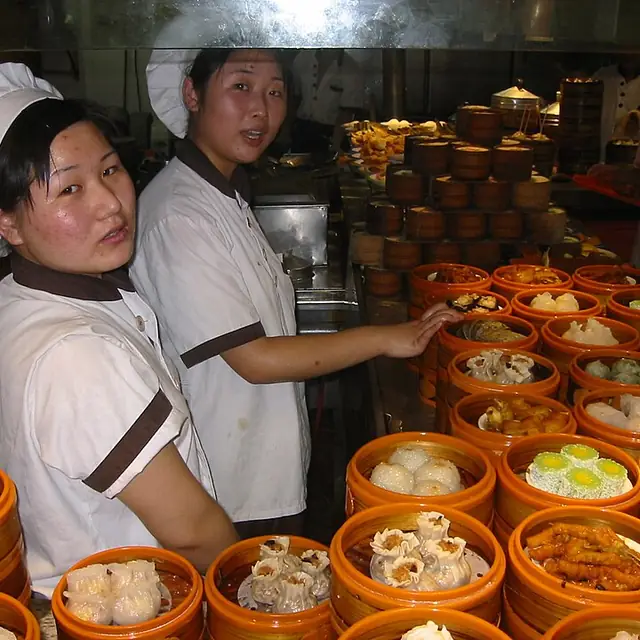
San Francisco dim sum is the longest-running Cantonese tea service in the United States, with carts at Hang Ah on Sacramento Street and bamboo-steamer counters citywide.
Where: Yank Sing, Hang Ah Tea Room, Good Mong Kok Bakery, Dragon Beaux, Z & Y Peking Duck
Price: $25 to $55 a head
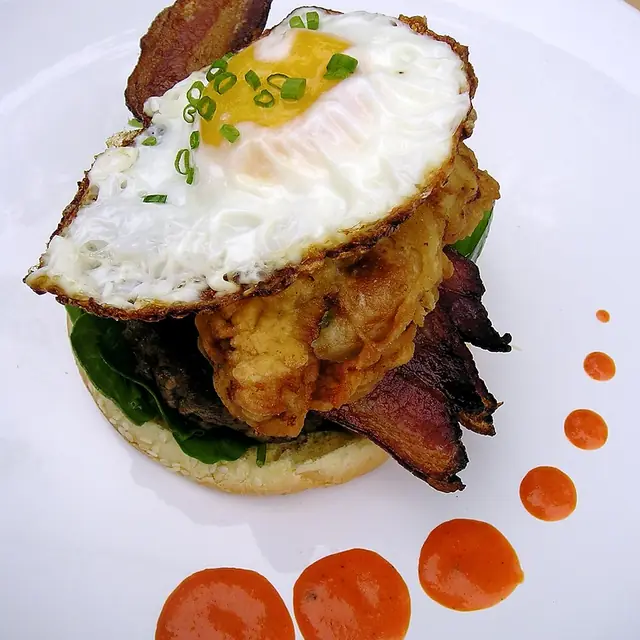
Hangtown Fry is a Gold Rush omelette of oysters, bacon and eggs, named for the mining camp of Placerville and kept on the menu at Tadich Grill in San Francisco.
Where: Tadich Grill, Sam's Grill, Brenda's French Soul Food
Price: $24 to $32
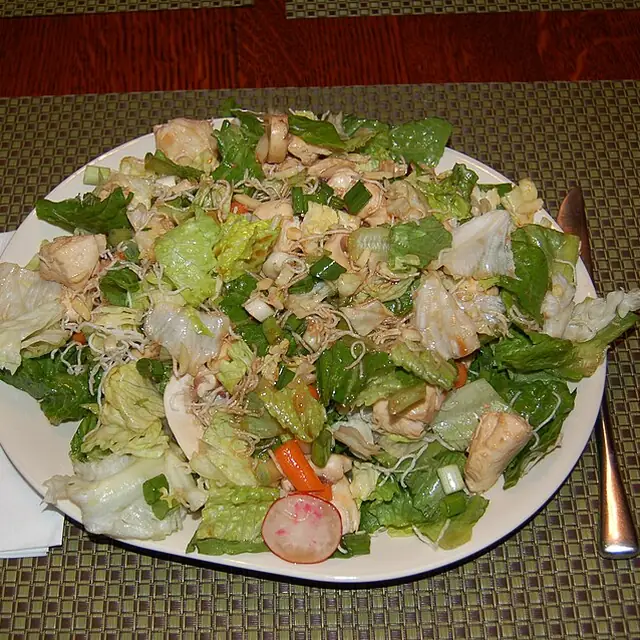
Chinese chicken salad is a California Chinese American plate of shredded chicken, romaine, fried wonton skins and a sesame-soy dressing, popularised through San Francisco.
Where: Mister Jiu's, Z & Y Peking Duck
Price: $22 to $32
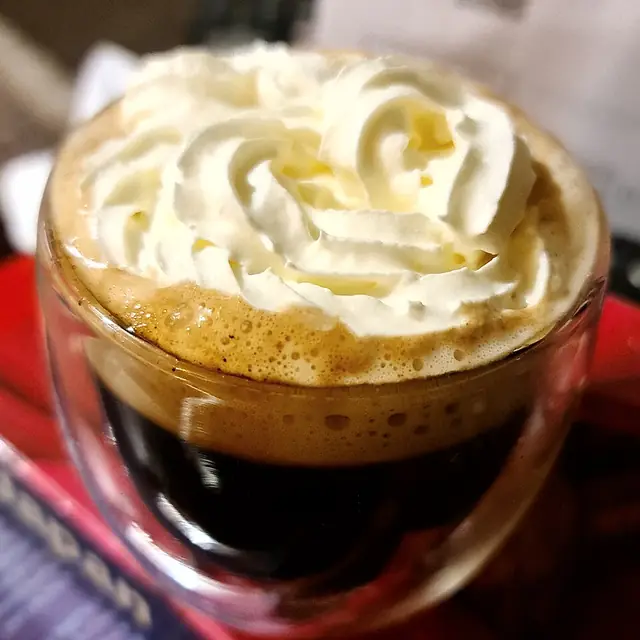
The American Irish coffee was perfected at the Buena Vista Cafe by the wharf in 1952, a glass of black coffee, brown sugar, Irish whiskey and a layer of softly whipped cream.
Where: The Buena Vista Cafe, Tosca Cafe
Price: $13 to $16
Mission-style tacos are the doubled, soft, charred-corn-tortilla tacos served the length of 24th Street and Mission, with lengua, carnitas, al pastor, asada and pollo.
Where: La Taqueria, El Farolito, Tacolicious, Taqueria San Jose, Taqueria El Buen Sabor
Price: $4.50 to $7.50 a taco
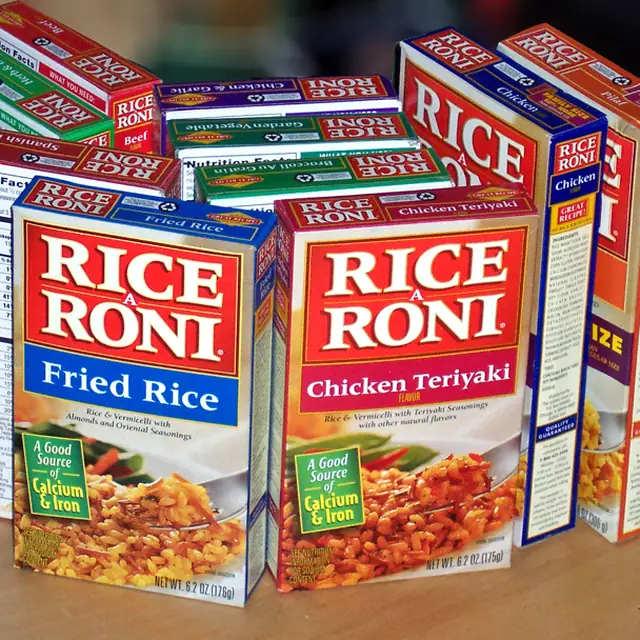
Rice-A-Roni is the boxed pilaf of rice and broken spaghetti born in 1958 in San Francisco's Mission, marketed as the San Francisco Treat across the United States.
Price: $3 to $5 a box
Fermented green tea leaves mixed with crunchy fried split peas, peanuts, garlic, sesame seeds, dried shrimp, lime, sliced tomato and shredded cabbage. Burma Superstar's defining San Francisco dish.
Where: Burma Superstar, Mister Jiu's, Ferry Building Marketplace, House of Nanking
Price: $12-18
San Francisco's signature pastry: a croissant dough rolled in cinnamon-sugar with orange zest, twisted in a muffin tin, dusted with more sugar after baking. Crisp shattered exterior, custard-soft buttery interior.
Where: Tartine Bakery, Arsicault Bakery, Jane the Bakery, Ferry Building Marketplace
Price: $5-8 each
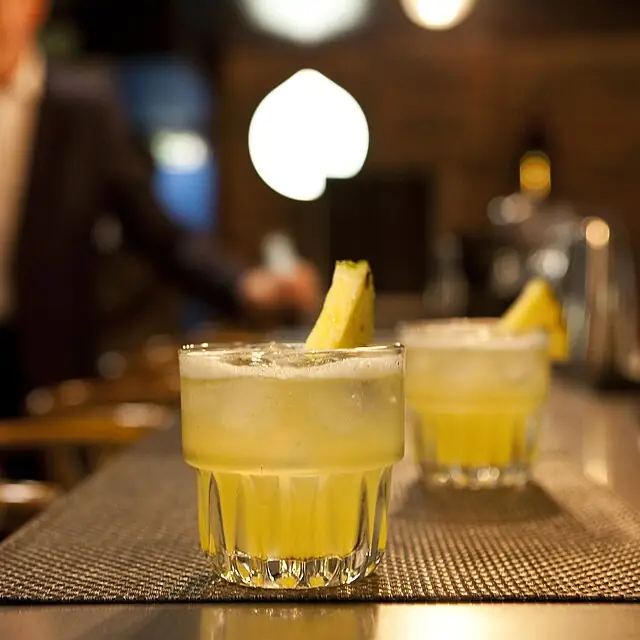
A lightly sparkling cocktail of Peruvian pisco, pineapple-infused gum syrup, lemon and a touch of cold water. The defining Gold Rush-era San Francisco drink.
Where: Comstock Saloon, Bourbon & Branch, Pacific Cocktail Haven
Price: $16-22
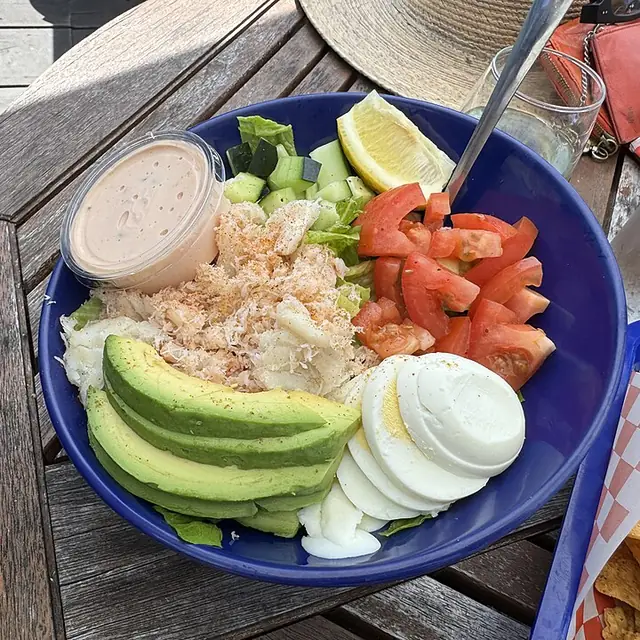
Cold-cracked Dungeness crab piled over iceberg lettuce, hard-boiled egg, tomato and asparagus, dressed with a tangy pink Russian-style sauce. The classic San Francisco lunchroom plate.
Where: Tadich Grill, Swan Oyster Depot, Sam's Grill
Price: $32-44
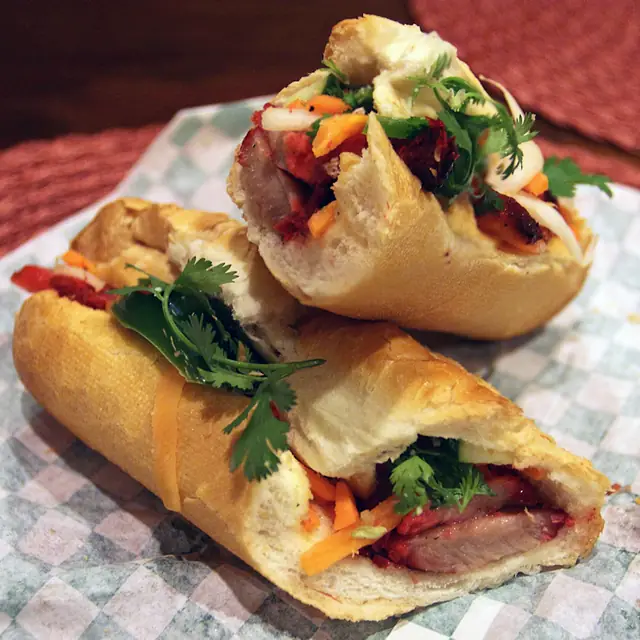
A crackly Vietnamese baguette stuffed with grilled meats, pate, pickled daikon and carrot, cucumber, jalapeno and cilantro. The Tenderloin sandwich SF perfected.
Where: Saigon Sandwich
Price: $6-9
Salt-crusted prime rib roast wheeled to the table on a silver cart and carved to order, served with creamed spinach, Yorkshire pudding and a spun-tableside salad. The SF mid-century steakhouse rite.
Where: House of Prime Rib
Price: $55-75
An amber lager brewed with lager yeast at warm ale temperatures, fermented in wide shallow open vessels. San Francisco's native beer style, invented during the Gold Rush.
Where: Fort Point Beer Company, Magnolia Brewing, Cellarmaker House of Pizza
Price: $8-12 per pint
Egg noodles in a coconut-and-turmeric chicken curry, finished tableside with crispy fried garlic, hard-boiled egg, chilli oil and a splash of fish sauce. The SF-Burmese restaurant template.
Where: Burma Superstar
Price: $16-22
Mission burrito
The Mission burrito is San Francisco's defining sandwich: a giant flour tortilla packed with rice, beans, meat, salsa and sometimes cheese or sour cream, foil-wrapped to the table.
History: The shape was set in the late 1960s on 24th Street. Febronio Ontiveros at El Faro on Folsom is widely credited with the 1961 rice-and-foil package; La Cumbre on Valencia popularised the same wrap a few blocks west. The Mission style differs from a Sonoran burrito in three ways: rice is inside, the tortilla is steamed before rolling and the package is overstuffed to the point that the foil is structural. By the 1980s the form had spread from 24th Street to college towns across the country; Chipotle's founder Steve Ells trained in San Francisco before he opened his first room in Denver in 1993. The burrito is the rare American dish with a specific birth address.
Where to try it: La Taqueria, El Farolito, Taqueria Cancun, Taqueria El Buen Sabor
Watch out for: Gluten, Dairy (if cheese added)
Cioppino
Cioppino is a tomato-and-wine seafood stew of Dungeness crab, clams, mussels, prawns and white fish, invented by Genoese fishermen in San Francisco's North Beach.
History: Cioppino was born in San Francisco. It dates to the 1890s, when Ligurian fishermen working out of Fisherman's Wharf would 'chip in' a piece of the day's catch to a communal pot, simmered with tomato, garlic, fennel and white wine. The name comes from the Genoese ciuppin, a fish stew of the home country. Bazzurro's, an early Italian room on Fisherman's Wharf, served it from the late 1800s, and Sotto Mare on Green Street keeps the standard now. The dish is Dungeness-led between November and June; outside the season, kitchens substitute King crab. Eat it with the bib, the fingers and a torn loaf of Acme sourdough.
Where to try it: Sotto Mare, Tadich Grill, Anchor Oyster Bar, Scoma's
Watch out for: Shellfish, Fish, Sulphites
San Francisco sourdough
San Francisco sourdough is a tangy, open-crumb white loaf made with a wild starter unique to the city's foggy climate, used for sandwiches and as the base of cioppino bread bowls.
History: French baker Isidore Boudin started Boudin Bakery in 1849 at the height of the Gold Rush, keeping a starter alive his descendants still use; a lactic acid bacterium isolated in the loaves was named Lactobacillus sanfranciscensis in 1971. The bread's sour profile comes from the local microbial mix, not the recipe. Acme Bread, founded 1983 across the bay in Berkeley, raised the city's bread standard a generation later; Tartine, founded by Chad Robertson and Elisabeth Prueitt on Guerrero Street in 2002, redefined what a country loaf could look like.
Where to try it: Boudin Bakery, Tartine Bakery, Josey Baker Bread, Jane the Bakery
Watch out for: Gluten
Dungeness crab
Dungeness crab is the sweet, brown-meat Pacific crab the city eats from mid-November to June, served steamed and cracked at Swan Oyster Depot, Tadich Grill and the Wharf.
History: The Dungeness fishery, named for a tiny harbour on Washington's Olympic Peninsula, opened commercially in San Francisco in the 1850s. Crab Louis salad emerged at Solari's Grill near Union Square in the early 1900s. The modern season is set by the California Department of Fish and Wildlife and usually opens the second week of November, with delays for low meat or marine biotoxins (most recently 2015 and 2020). Swan Oyster Depot on Polk Street, opened 1912, is the cracked-crab benchmark; Sotto Mare runs cioppino with it through winter.
Where to try it: Swan Oyster Depot, Tadich Grill, Sotto Mare, Anchor Oyster Bar
Watch out for: Shellfish
Dim sum
San Francisco dim sum is the longest-running Cantonese tea service in the United States, with carts at Hang Ah on Sacramento Street and bamboo-steamer counters citywide.
History: Cantonese tea houses arrived with the first wave of Chinese immigration during the 1850s Gold Rush. Hang Ah Tea Room, opened in 1920 on Pagoda Place, is the oldest dim sum house in the country still operating; Yank Sing opened on Stockton in 1958 and moved to its SoMa flagship in 2002. The Bay Area's Cantonese diaspora kept the tradition closer to Hong Kong than New York's, where Toisanese dialects dominated; that means more har gow, more cheong fun and less Americanised chop suey. The cart tradition is mostly gone (cost of waitstaff), but Hang Ah still serves a fixed steamer menu, and Good Mong Kok on Stockton runs the takeaway window the city actually eats at on weekends.
Where to try it: Yank Sing, Hang Ah Tea Room, Good Mong Kok Bakery, Dragon Beaux, Z & Y Peking Duck
Watch out for: Gluten, Shellfish, Soy, Sesame
Hangtown Fry
Hangtown Fry is a Gold Rush omelette of oysters, bacon and eggs, named for the mining camp of Placerville and kept on the menu at Tadich Grill in San Francisco.
History: The dish is one of the few American breakfast plates with a documented 1849 origin. A miner who struck it rich in Placerville (then called Hangtown) walked into the Cary House Hotel and asked for the most expensive meal on the menu. Oysters, brought up the coast in barrels, eggs, scarce because of the gold rush, and bacon, imported from the east, were the three most costly items. The cook scrambled them together. The dish migrated to San Francisco's gold-flush restaurants within a year and has been continuously on the Tadich Grill menu since 1850. The omelette is usually folded with pan-fried, panko-crusted Pacific oysters and crisp bacon, with chopped chives or scallions on top.
Where to try it: Tadich Grill, Sam's Grill, Brenda's French Soul Food
Watch out for: Egg, Shellfish, Gluten
Chinese chicken salad
Chinese chicken salad is a California Chinese American plate of shredded chicken, romaine, fried wonton skins and a sesame-soy dressing, popularised through San Francisco.
History: The salad's modern shape came together at Trader Vic's, Madame Wu's in Santa Monica and Cecilia Chiang's The Mandarin in San Francisco's Ghirardelli Square through the 1960s and 1970s. Chiang opened The Mandarin in 1968 and introduced San Franciscans to the regional cooking beyond Cantonese (Sichuan, Shanghai, Hunan); the salad as a composed plate of cool chicken with crisp aromatics was on her menu. It moved into chain kitchens (Wolfgang Puck's at LAX, P.F. Chang's nationally) by the 1990s, then back to the chef-driven rooms (Mister Jiu's serves a refined take). The dish is now closer to the city's Cal-Chinese vocabulary than to any single mainland origin.
Where to try it: Mister Jiu's, Z & Y Peking Duck
Watch out for: Gluten, Soy, Sesame, Egg
Irish coffee
The American Irish coffee was perfected at the Buena Vista Cafe by the wharf in 1952, a glass of black coffee, brown sugar, Irish whiskey and a layer of softly whipped cream.
History: The drink as Americans know it was developed at the Buena Vista Cafe on Beach Street in 1952 by owner Jack Koeppler and travel writer Stanton Delaplane. Delaplane had drunk a version at Shannon Airport in Ireland; Koeppler spent months on the cream technique (the fresh, slightly aged 48-hour double cream that floats cleanly on the hot coffee) and the precise sugar dissolve before he was satisfied. The Buena Vista now pours roughly 2,000 Irish coffees a day, in a line of glasses prewarmed with hot water, finished with cream poured over the back of a spoon. The recipe has not changed in 70 years.
Where to try it: The Buena Vista Cafe, Tosca Cafe
Watch out for: Dairy
Mission-style tacos
Mission-style tacos are the doubled, soft, charred-corn-tortilla tacos served the length of 24th Street and Mission, with lengua, carnitas, al pastor, asada and pollo.
History: The city's tacos draw on two distinct Mexican waves: post-1910 Revolution arrivals from central Mexico, who set up the early taquerias, and a 1970s and 1980s influx from Jalisco and Michoacan that brought al pastor and carnitas to the same blocks. La Taqueria on Mission, opened by Miguel Jara in 1973, treats the meat with restraint (no rice, no beans, doubled corn tortillas with a touch of cheese and avocado), and the room won a James Beard America's Classic in 2017. El Farolito on 24th, opened in 1980, runs the late-night standard. The taco here is not a tasting room project; it is a 24-hour ledger of immigration.
Where to try it: La Taqueria, El Farolito, Tacolicious, Taqueria San Jose, Taqueria El Buen Sabor
Watch out for: Dairy (if cheese added)
Rice-A-Roni
Rice-A-Roni is the boxed pilaf of rice and broken spaghetti born in 1958 in San Francisco's Mission, marketed as the San Francisco Treat across the United States.
History: The Italian American DeDomenico family ran the Golden Grain Macaroni Company on Bryant Street from 1912. In the 1950s, Tom DeDomenico's mother-in-law made an Armenian rice pilaf with broken spaghetti for a tenant; Tom's wife Lois adapted it, the family added a dehydrated chicken broth packet, and the product launched as Rice-A-Roni in 1958. The 1960s jingle, with the cable car bell, fixed San Francisco in American pantry memory more firmly than any tourism campaign. Quaker Oats bought the brand in 1986 and PepsiCo absorbed it in 2001, but the box is still produced and the recipe is still recognisable. It is not exactly cooked in San Francisco kitchens, but the city owns the invention.
Watch out for: Gluten, Soy
Lephet thoke (Burmese tea leaf salad)
Fermented green tea leaves mixed with crunchy fried split peas, peanuts, garlic, sesame seeds, dried shrimp, lime, sliced tomato and shredded cabbage. Burma Superstar's defining San Francisco dish.
History: Lephet thoke arrived in San Francisco with the Burmese community that settled in the Bay Area through the 1990s and 2000s. Burma Superstar opened on Clement Street in the Richmond District in 1992; current owner Desmond Tan acquired the restaurant in 2000 and built it into the Bay Area Burmese reference, making tea-leaf salad a cult dish. The Burmese fermented tea (lephet) is mixed at the table from a divided plate. Today Burma Love, Burma Bites and Mandalay continue the San Francisco Burmese tradition; the salad remains the city's most distinctive imported dish.
Where to try it: Burma Superstar, Mister Jiu's, Ferry Building Marketplace, House of Nanking
Watch out for: Crustaceans (dried shrimp), Sesame, Peanut, Soy
San Francisco morning bun
San Francisco's signature pastry: a croissant dough rolled in cinnamon-sugar with orange zest, twisted in a muffin tin, dusted with more sugar after baking. Crisp shattered exterior, custard-soft buttery interior.
History: The morning bun is a San Francisco pastry tradition that grew out of the city's croissant scene in the 1980s. Tartine Bakery in the Mission popularised the modern Bay Area morning bun under Elisabeth Prueitt and Chad Robertson in the early 2000s, with B. Patisserie in Pacific Heights and Arsicault Bakery in the Richmond now serving the city's most-cited versions. The morning bun is uniquely San Franciscan: it does not exist with the same definition outside the Bay Area.
Where to try it: Tartine Bakery, Arsicault Bakery, Jane the Bakery, Ferry Building Marketplace
Watch out for: Gluten, Dairy, Egg
Pisco Punch
A lightly sparkling cocktail of Peruvian pisco, pineapple-infused gum syrup, lemon and a touch of cold water. The defining Gold Rush-era San Francisco drink.
History: Pisco Punch was made famous at the Bank Exchange Saloon at Montgomery and Washington from the 1860s through Prohibition, under bartender Duncan Nicol who closed the recipe to the grave. Rudyard Kipling drank it in 1889 and wrote it tasted of clouds. Modern bars reconstructed the formula using period accounts; Comstock Saloon in North Beach pours the canonical contemporary version, and most San Francisco classic-cocktail bars now feature it.
Where to try it: Comstock Saloon, Bourbon & Branch, Pacific Cocktail Haven
Crab Louie salad
Cold-cracked Dungeness crab piled over iceberg lettuce, hard-boiled egg, tomato and asparagus, dressed with a tangy pink Russian-style sauce. The classic San Francisco lunchroom plate.
History: Crab Louie was on San Francisco menus by the early 1910s: Victor Hirtzler's 1910 St Francis Hotel cookbook gave a Crabmeat a la Louise; Clarence Edwords printed Solari's recipe in his 1914 Bohemian San Francisco. Tadich Grill, the oldest continuously operating restaurant in California (founded 1849), has served Dungeness Louie for over a century; Sam's Grill on Bush Street and Swan Oyster Depot on Polk Street still serve the canonical version with locally landed Dungeness from November through May.
Where to try it: Tadich Grill, Swan Oyster Depot, Sam's Grill
Watch out for: Crustaceans, Egg, Dairy
Saigon-style banh mi
A crackly Vietnamese baguette stuffed with grilled meats, pate, pickled daikon and carrot, cucumber, jalapeno and cilantro. The Tenderloin sandwich SF perfected.
History: Vietnamese refugees arrived in San Francisco's Tenderloin from 1975 onward and built Little Saigon along Larkin Street. Saigon Sandwich, the family-run shop at 560 Larkin running since the 1980s, is widely cited as the Tenderloin banh mi reference, with a queue out the door at lunchtime. The SF Tenderloin banh mi corridor is the most-decorated cluster of the format on the West Coast.
Where to try it: Saigon Sandwich
Watch out for: Gluten, Egg, Soy
Prime rib carved tableside (House of Prime Rib)
Salt-crusted prime rib roast wheeled to the table on a silver cart and carved to order, served with creamed spinach, Yorkshire pudding and a spun-tableside salad. The SF mid-century steakhouse rite.
History: House of Prime Rib opened on Van Ness Avenue in 1949 and has served only prime rib continuously since. The salt-crusted dry-roast method, the silver carving carts, the wedge salad spun at the table, the popovers, all are the same as the 1949 menu. Where most American steakhouses moved to a la carte cuts, House of Prime Rib stayed single-dish; it is the city's defining steakhouse experience and the one SF dining tradition no other city replicates.
Where to try it: House of Prime Rib
Watch out for: Gluten, Dairy, Egg
California Common (Anchor Steam)
An amber lager brewed with lager yeast at warm ale temperatures, fermented in wide shallow open vessels. San Francisco's native beer style, invented during the Gold Rush.
History: California Common, popularly called steam beer, originated in San Francisco in the 1850s when Gold Rush brewers fermented lager yeast at the only temperatures available without ice, on wide shallow rooftops cooled by Pacific fog. Anchor Brewing on Mariposa Street, founded 1896 by Ernst Baruth, registered Steam Beer as a trademark and preserved the style for over a century. Anchor ceased production in July 2023; Chobani founder Hamdi Ulukaya bought the brand in 2024 and a relaunch is in the works but the Potrero Hill brewery has not resumed brewing. SF craft brewers including Fort Point and Magnolia still pour the canonical California Common style.
Where to try it: Fort Point Beer Company, Magnolia Brewing, Cellarmaker House of Pizza
Watch out for: Gluten
Burmese coconut chicken (ohn no khao swe)
Egg noodles in a coconut-and-turmeric chicken curry, finished tableside with crispy fried garlic, hard-boiled egg, chilli oil and a splash of fish sauce. The SF-Burmese restaurant template.
History: Burma Superstar opened on Clement Street in the Richmond District in 1992 and helped establish San Francisco as the largest centre of Burmese cuisine outside Burma. The Bay Area is home to one of the largest Burmese diasporas in the US, and the city's Burmese restaurants codified versions of ohn no khao swe and tea-leaf salad that travelled back into the broader American food press. Burma Superstar's queue runs nightly; its sibling Burma Love and several Burmese restaurants citywide carry the genre.
Where to try it: Burma Superstar
Watch out for: Gluten, Egg, Fish, Sesame