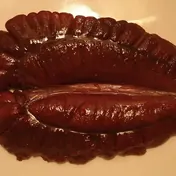
Dry-cured-and-smoked Virginia country ham, sliced thin and served center-cut on Sally Bell's box-lunch plates and inside The Roosevelt's biscuits. Smithfield-style is the canonical version.

Captain Mallory Todd of Smithfield, Virginia made the first known commercial export of cured Smithfield ham in 1779. The Virginia General Assembly later codified the Smithfield ham name in a 1926 statute tied to peanut-fed hogs from the Virginia and North Carolina peanut belt (the peanut-belt requirement was removed in 1966; the geographic-processing requirement remains). The dry-cure, salt-rub and slow-smoke method became a Virginia trade. Smithfield is now a Smithfield Foods brand, but small smokehouses across the region (Edwards, Surryano, Gwaltney) continue the country-cured tradition.

Where to eat Country ham in Richmond

3 editor picks for Country ham in Richmond, ranked by editorial score. All Richmond signature dishes · Country ham across every city.

Book food experiences in Richmond

See all 83 food experiences in Richmond

Make it at home

P30DAdvanced

Ingredients

  • Whole country-cured Virginia ham (Smithfield or similar)
  • Cold water for soaking
  • Brown sugar (optional, for glaze)
  • Cloves (optional, for glaze)

Method

  1. Scrub the ham under cold water to remove mold from the cure.
  2. Soak the ham in cold water for 24 to 36 hours, changing water several times, to reduce the cure's salinity.
  3. Simmer in fresh water 4 to 5 hours until tender, about 20 minutes per pound.
  4. Cool, trim, optionally glaze with brown sugar and cloves and finish in a 175 C oven 30 minutes. Slice paper-thin against the grain to serve.

Editor tip. Don't skip the soak. A country ham unsoaked is inedibly salty. The white mold on the rind is normal cure surface; scrub it off.