Signature dishes
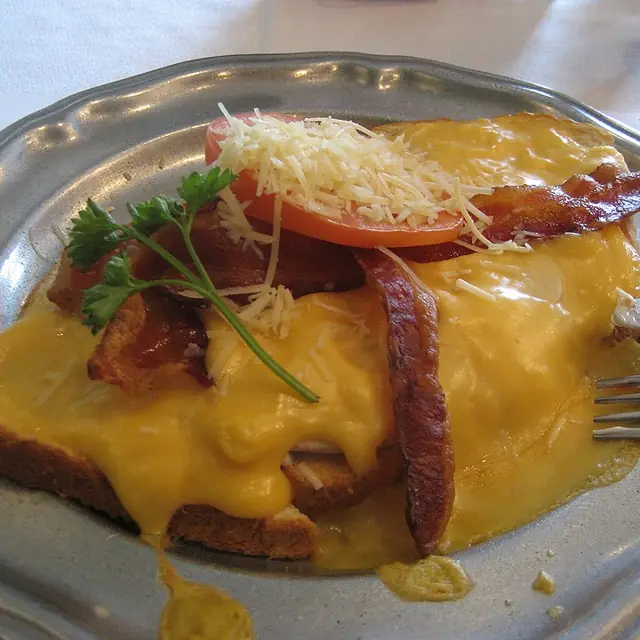
An open-faced sandwich of turkey breast, bacon and tomato on toast, blanketed in a creamy Mornay sauce and broiled until golden. Louisville's signature plate.
Where: J. Graham's Cafe, Wagner's Pharmacy, Lobby Bar at the Brown Hotel
Price: $15-22
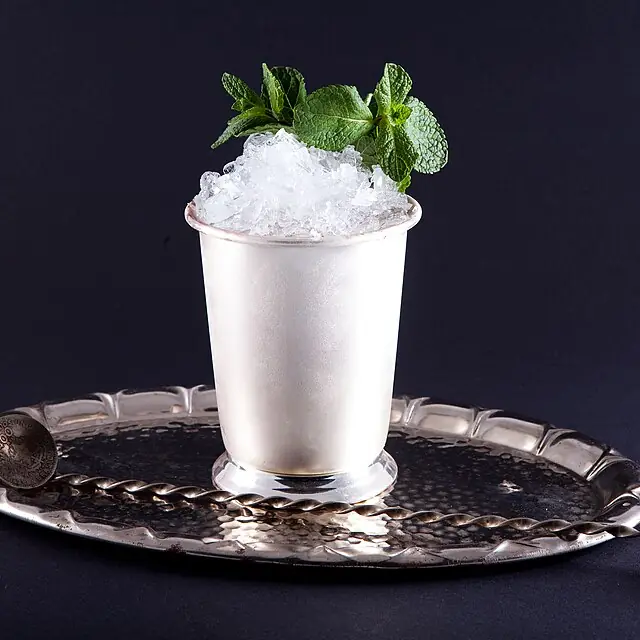
Kentucky bourbon poured over crushed ice with sugar and bruised mint, served in a frosted silver cup. The official Kentucky Derby drink since 1939.
Where: Lobby Bar at the Brown Hotel, Doc Crow's Southern Smokehouse and Raw Bar, Down One Bourbon Bar, 8UP Elevated Drinkery and Kitchen
Price: $12-18
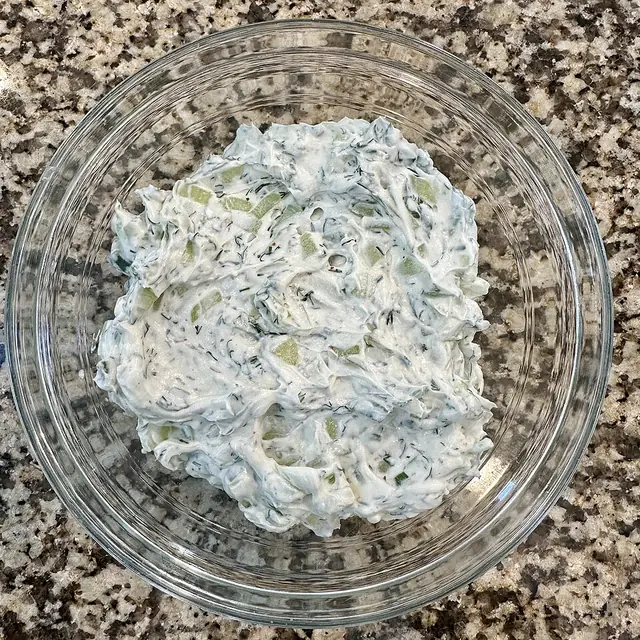
Cool cucumber and cream cheese paste tinted pale green, served on white bread for the city's signature tea sandwich. The Derby weekend snack.
Where: Wagner's Pharmacy, J. Graham's Cafe
Price: $6-12
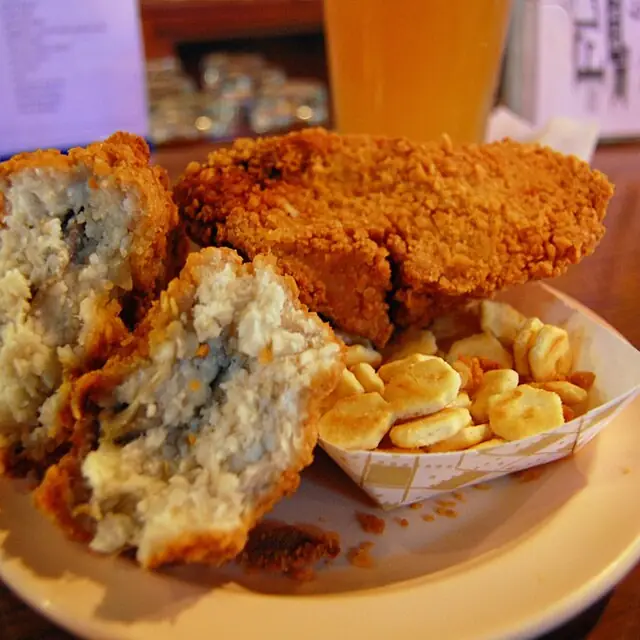
A baseball-sized seafood snack: three raw oysters dipped in egg-milk cornmeal batter called pastinga, rolled in cracker crumbs and deep-fried golden.
Price: $8-14
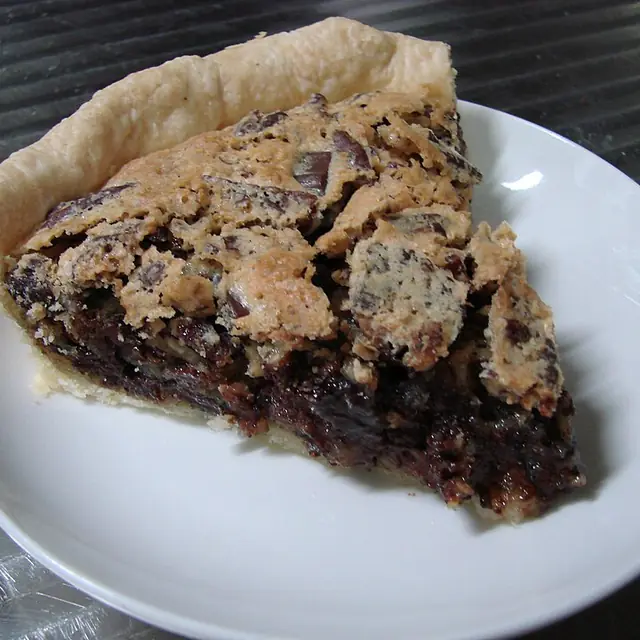
A rich chocolate and English-walnut pie in a buttery flaky crust, trademarked by Kern's Kitchen in 1969 and a Louisville Derby Day institution. Local bakeries serve look-alike versions under names like Triple Crown Pie.
Where: Lobby Bar at the Brown Hotel
Price: $25-40 (whole pie)
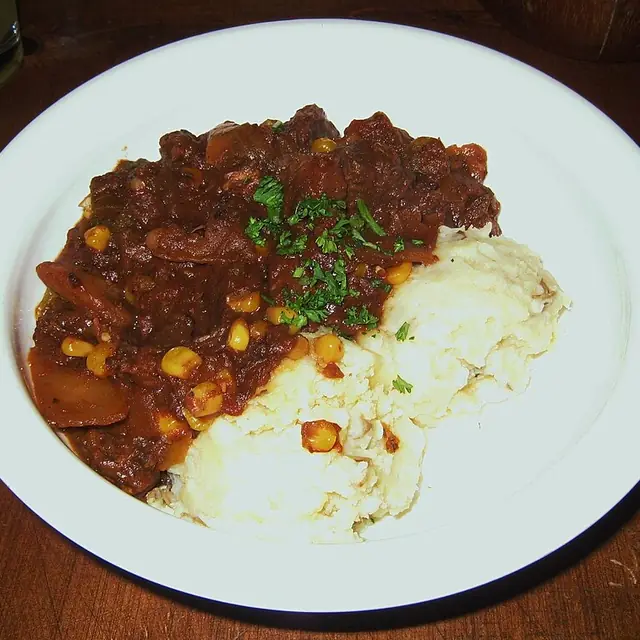
A thick Kentucky stew of mutton, beef and chicken with corn, lima beans, potatoes and tomatoes, simmered slow at festivals and Derby parties.
Where: Mark's Feed Store Bar-B-Q
Price: $8-14
Smoked aged mutton (sheep) with a vinegar-and-pepper dipping sauce and white bread. The western Kentucky BBQ tradition centred in Owensboro, with Louisville echoes on a handful of barbecue menus.
Price: $12-20
A caramel-dipped marshmallow confection named for the 19th-century Polish actress Helena Modjeska, made by hand at Muth's Candies in Louisville since 1921.
Where: Muth's Candies
Price: $2-4 per piece
Buttermilk-marinated chicken dredged in seasoned flour and fried in cast iron with bacon drippings or lard, the Southern home-style version found across Louisville lunch counters.
Where: Wagner's Pharmacy, Joella's Hot Chicken, Royals Hot Chicken
Price: $12-18
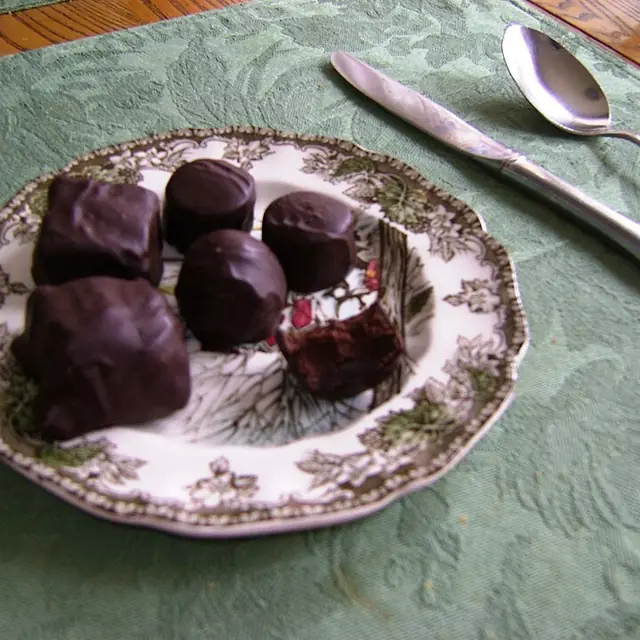
Bite-sized chocolate truffles filled with bourbon-soaked pecan and butter cream, the Kentucky Derby chocolate that turns up at every Louisville confectioner.
Where: Muth's Candies
Price: $2-4 per piece
Kentucky cornmeal souffle: stone-ground cornmeal stirred into hot milk to a porridge, beaten with eggs and butter, baked until risen and soft enough to scoop with a spoon. The state's defining cornbread.
Where: Jack Fry's, Garage Bar, 610 Magnolia, J. Graham's Cafe at the Brown Hotel
Price: $8-12 as a side
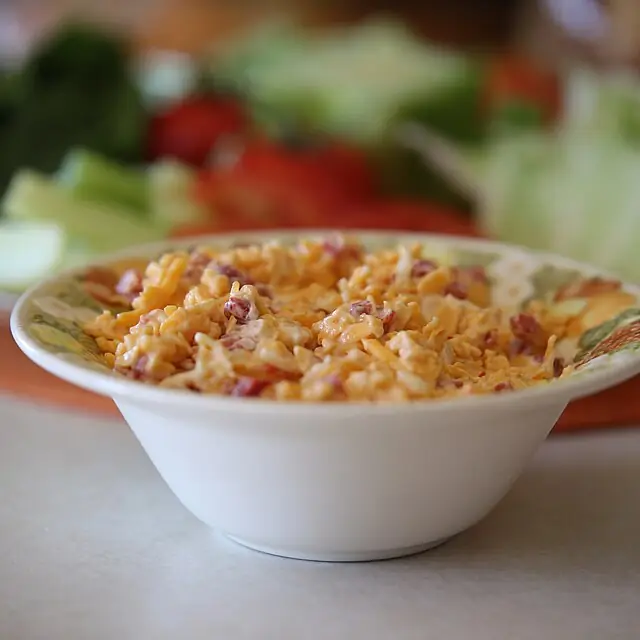
Sharp cheddar grated and combined with mayonnaise, pimento peppers, hot sauce, garlic and Worcestershire to a thick spread. Served on crackers, in sandwiches, or as a Derby Day appetiser.
Where: Garage Bar, Jack Fry's, Mark's Feed Store Bar-B-Q, Heitzman Traditional Bakery and Deli
Price: $8-12 per portion
Hot Brown
An open-faced sandwich of turkey breast, bacon and tomato on toast, blanketed in a creamy Mornay sauce and broiled until golden. Louisville's signature plate.
History: Chef Fred K. Schmidt invented the Hot Brown at the Brown Hotel in 1926 to feed the late-night dancers at the hotel's 1,200-guest dinner balls. Schmidt riffed on traditional Welsh rarebit, replacing the bread foundation with toast and turkey and finishing with bacon and tomato. The sandwich quickly became the choice of 95 percent of the hotel's restaurant customers and has anchored Louisville hotel menus and lunch counters ever since. Recipes have been published widely, but the Brown Hotel's J. Graham's Cafe still serves the original.
Where to try it: J. Graham's Cafe, Wagner's Pharmacy, Lobby Bar at the Brown Hotel
Watch out for: Dairy, Gluten
Mint Julep
Kentucky bourbon poured over crushed ice with sugar and bruised mint, served in a frosted silver cup. The official Kentucky Derby drink since 1939.
History: The Mint Julep was already a Kentucky genteel-society drink when Colonel Meriwether Lewis Clark founded the Kentucky Derby in 1875; the story goes that Churchill Downs planted mint outside the clubhouse for the first Derby's juleps. The drink became the Derby's official cocktail in 1939, and Churchill Downs began ordering the signature souvenir julep cups in 1937. Today more than 125,000 Mint Juleps are served at the racetrack over the two-day Oaks and Derby weekend, requiring 10,000 bottles of Kentucky bourbon, 2,250 pounds of mint and 475,000 pounds of ice.
Where to try it: Lobby Bar at the Brown Hotel, Doc Crow's Southern Smokehouse and Raw Bar, Down One Bourbon Bar, 8UP Elevated Drinkery and Kitchen
Benedictine spread
Cool cucumber and cream cheese paste tinted pale green, served on white bread for the city's signature tea sandwich. The Derby weekend snack.
History: Jennie Carter Benedict opened a Louisville catering kitchen in 1893 and a downtown tea room called Benedict's around 1900, where she developed Benedictine spread to fill cucumber sandwiches. Her original recipe combined cream cheese, cucumber juice, onion juice, salt, cayenne pepper and a slight amount of green food colouring. The spread was published in her 1902 cookbook and became a Louisville home-kitchen staple for over a century. Most pre-made versions still follow Benedict's recipe; modern chefs sometimes drop the food colouring.
Where to try it: Wagner's Pharmacy, J. Graham's Cafe
Watch out for: Dairy, Gluten
Rolled oyster
A baseball-sized seafood snack: three raw oysters dipped in egg-milk cornmeal batter called pastinga, rolled in cracker crumbs and deep-fried golden.
History: Phillip Mazzoni and his Italian-immigrant brothers from Genoa opened Mazzoni's tavern at Third and Market in 1884, where they first served rolled oysters as a free giveaway to saloon patrons with a purchased beer or whiskey. The recipe combined three oysters with a unique pastinga batter, rolled in cracker crumbs and fried into a baseball-sized ball. The Mazzoni family held the recipe secret for five generations and the dish became a Louisville-only specialty. The last Mazzoni-family restaurant closed in 2011, ending a 127-year run, and the rolled oyster has become a rare find on Louisville menus since.
Watch out for: Shellfish, Gluten, Egg
Derby Pie
A rich chocolate and English-walnut pie in a buttery flaky crust, trademarked by Kern's Kitchen in 1969 and a Louisville Derby Day institution. Local bakeries serve look-alike versions under names like Triple Crown Pie.
History: Walter and Leaudra Kern, with their son George, developed the chocolate-and-walnut pie at the Melrose Inn in Prospect, Kentucky in 1954 as the restaurant's signature dessert. The family pulled the name out of a hat: Derby-Pie won. After leaving the Melrose Inn in 1960 the Kerns continued making the pie and registered Derby-Pie as a federal trademark in 1969, defending it with more than 25 lawsuits over the years. The pie is now made only by Kern's Kitchen with the secret recipe known to a small group of family members. Louisville bakeries sell look-alike chocolate-walnut pies as 'May Day Pie' or 'Triple Crown Pie'; Plehn's Bakery on Shelbyville Road runs a Triple Crown Pie each Derby season.
Where to try it: Lobby Bar at the Brown Hotel
Watch out for: Gluten, Dairy, Egg, Tree nuts
Burgoo
A thick Kentucky stew of mutton, beef and chicken with corn, lima beans, potatoes and tomatoes, simmered slow at festivals and Derby parties.
History: Burgoo is a Kentucky and Tennessee community-pot stew, served at political rallies, church suppers and the Kentucky Derby Infield since the early 1800s. The dish traditionally combined whatever proteins were on hand (chicken, beef, pork) with field vegetables in a giant cast-iron kettle stirred with paddles. Modern Louisville versions land on a blend of meats with corn, lima beans and potatoes. Burgoo turns up at Kentucky BBQ joints and Derby Festival events as a side or main alongside the pulled-pork plates.
Where to try it: Mark's Feed Store Bar-B-Q
BBQ Mutton
Smoked aged mutton (sheep) with a vinegar-and-pepper dipping sauce and white bread. The western Kentucky BBQ tradition centred in Owensboro, with Louisville echoes on a handful of barbecue menus.
History: Western Kentucky's barbecue tradition centres on mutton rather than pork, a distinction that goes back to 19th-century immigrant farmers in the Owensboro region who raised sheep for wool and ate the older mutton at community gatherings. The smoked mutton is served chopped or sliced with a thin vinegar-and-black-pepper dipping sauce. The dish is most reliably found west in Owensboro at Moonlite Bar-B-Q and Old Hickory; in Louisville the tradition is now rare on regular menus. The Owensboro Bar-B-Q Festival celebrates mutton each May.
Modjeska
A caramel-dipped marshmallow confection named for the 19th-century Polish actress Helena Modjeska, made by hand at Muth's Candies in Louisville since 1921.
History: Modjeskas were created by an early 20th-century Louisville confectioner inspired by a performance of Polish-American actress Helena Modjeska at the Macauley's Theatre. The confection combines a soft homemade marshmallow centre dipped in a buttery caramel coating, a Louisville-only candy with a hundred-year history. Muth's Candies on East Market Street has produced modjeskas by hand since 1921, the family-owned confectioner now in its fourth generation of operation. Other Louisville candy makers including Bauer's and Schimpff's also produced the modjeska in their day; Muth's is the longest-running.
Where to try it: Muth's Candies
Watch out for: Dairy
Kentucky country-fried chicken
Buttermilk-marinated chicken dredged in seasoned flour and fried in cast iron with bacon drippings or lard, the Southern home-style version found across Louisville lunch counters.
History: Country-fried chicken in Kentucky goes back to the antebellum farmhouse kitchens of Southern home cooks, with Edna Lewis and other African-American cooks documenting recipes that pre-date the franchise era. The Louisville version typically uses buttermilk marinade, double dredging in seasoned flour, and cast-iron skillet frying. Wagner's Pharmacy serves a classic counter-style fried chicken plate, while Joella's and Royals Hot Chicken bring the modern Nashville-style spicy version to the city.
Where to try it: Wagner's Pharmacy, Joella's Hot Chicken, Royals Hot Chicken
Watch out for: Gluten, Dairy, Egg
Bourbon balls
Bite-sized chocolate truffles filled with bourbon-soaked pecan and butter cream, the Kentucky Derby chocolate that turns up at every Louisville confectioner.
History: Bourbon balls were created by Ruth Hanly Booe at the Rebecca Ruth Candy shop in Frankfort in 1938, the year before bourbon became the official Derby drink. Booe's original combined chocolate, butter, sugar and a generous splash of Kentucky bourbon with a pecan topping. The candy became a Kentucky Derby gift tradition. Muth's Candies and Cellar Door Chocolates in Louisville both produce hand-rolled bourbon balls each Derby season, with peak production from Thanksgiving through May.
Where to try it: Muth's Candies
Watch out for: Dairy, Tree nuts
Kentucky spoonbread
Kentucky cornmeal souffle: stone-ground cornmeal stirred into hot milk to a porridge, beaten with eggs and butter, baked until risen and soft enough to scoop with a spoon. The state's defining cornbread.
History: Spoonbread is a Kentucky and Virginia tradition with documented recipes from the 18th century. The dish takes its name from the soft scoopable texture, distinct from sliceable cornbread; it is closer to a souffle than a quickbread. Boone Tavern in Berea, Kentucky, claims the canonical recipe, on the menu since 1909. In Louisville the spoonbread is served at Jack Fry's, Garage Bar and 610 Magnolia as the Southern starch accompaniment to braised meats and game.
Where to try it: Jack Fry's, Garage Bar, 610 Magnolia, J. Graham's Cafe at the Brown Hotel
Watch out for: Dairy, Egg, Gluten
Kentucky pimento cheese
Sharp cheddar grated and combined with mayonnaise, pimento peppers, hot sauce, garlic and Worcestershire to a thick spread. Served on crackers, in sandwiches, or as a Derby Day appetiser.
History: Pimento cheese is the Southern condiment-spread tradition, with documented recipes from the early 20th century. The Kentucky version emphasises sharper cheddar, more black pepper and a dash of bourbon-aged hot sauce. Pimento cheese sandwiches have been served at the Masters golf tournament since 1933, and at the Kentucky Derby for over a century. Louisville restaurants like Garage Bar, Jack Fry's and J. Graham's Cafe at the Brown Hotel plate the canonical pimento-cheese-and-cracker board.
Where to try it: Garage Bar, Jack Fry's, Mark's Feed Store Bar-B-Q, Heitzman Traditional Bakery and Deli
Watch out for: Dairy, Egg, Mustard


