Signature dishes
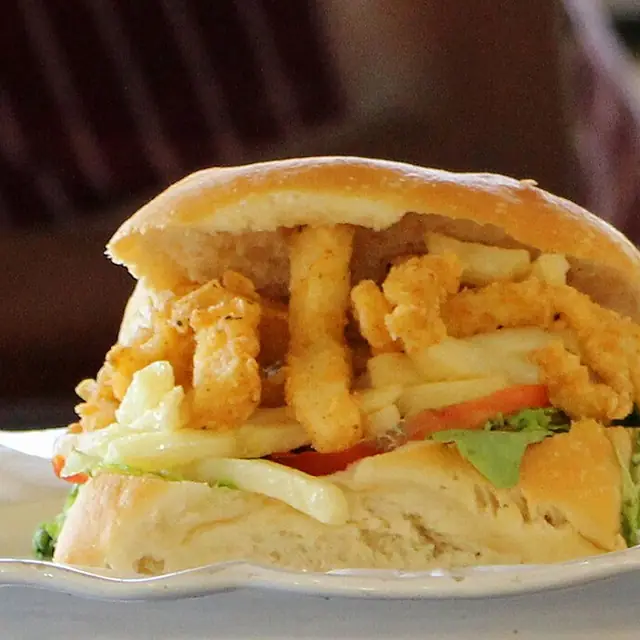
A full Portuguese roll split lengthwise and packed with slap chips, a hot filling and achar, then cut into wedges for a table to share. Cape Town's own sandwich, and still cheapest where it started.
Where: Super Fisheries, Golden Dish, West Coast Fisheries
Price: R45 to R120 for a mini, the large sizes split between two
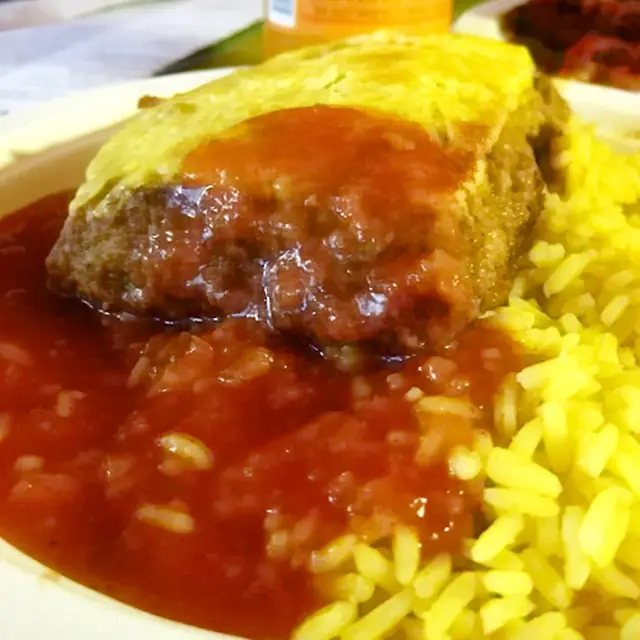
Spiced minced meat with dried fruit, baked under a set egg and milk custard with bay leaves pressed into the top. Served with turmeric rice, chutney and sambals rather than gravy.
Where: Karibu Restaurant, Bo-Kaap Kombuis, The Fireman's Arms
A whole snoek butterflied, basted with apricot jam, butter, lemon and garlic and braaied skin side down, the West Coast Sunday standard; harbour counters sell it fried or smoked.
Where: Kalky's, Snoekies, West Coast Fisheries
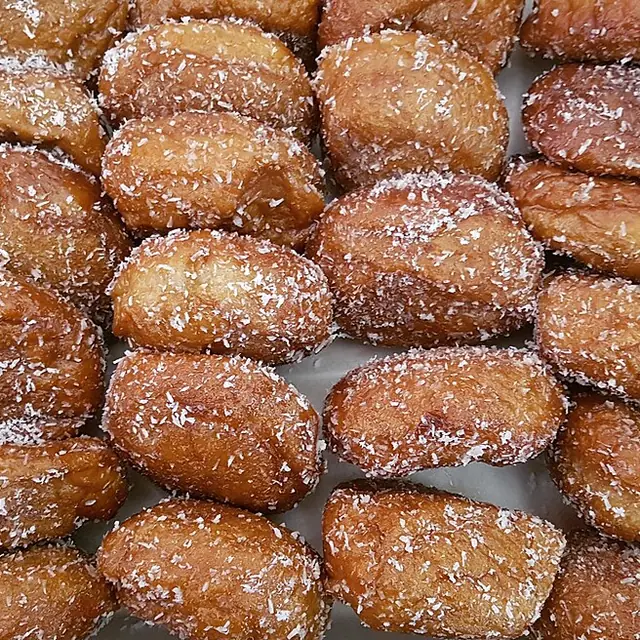
Cape Malay spiced dough balls, deep-fried, dipped in boiling syrup and rolled in desiccated coconut. Sold on Sunday mornings in Bo-Kaap, and not the same thing as an Afrikaner koeksister.
Where: Bo-Kaap Deli
A gently spiced curry built on cinnamon, cardamom, turmeric and cloves rather than heat, sweetened with fruit and finished with potato. Eaten with yellow rice, sambals and roti.
Where: Biesmiellah
The Cape Malay layered rice dish: marinated meat, brown lentils, fried potato and onion stacked under parboiled basmati, sealed and steamed in its own liquid. Standard at Eid and family tables.
Where: Eastern Food Bazaar
Buy raw meat by weight at a township butchery counter, hand the tray over, and it comes back grilled over wood coals with pap and chakalaka. A system as much as a dish, and a weekend one.
Where: Teez @ 115, Rands, Nomzamo Butchery
Deep-fried hake with soft vinegar-soaked chips, wrapped in paper and eaten standing up at a harbour counter. Snoek replaces the hake when the boats are in and the price is right.
Where: Kalky's, Snoekies, Fish on the Rocks, Plumstead Fisheries, The Lighthouse Cafe
Price: R70 to R120 a portion
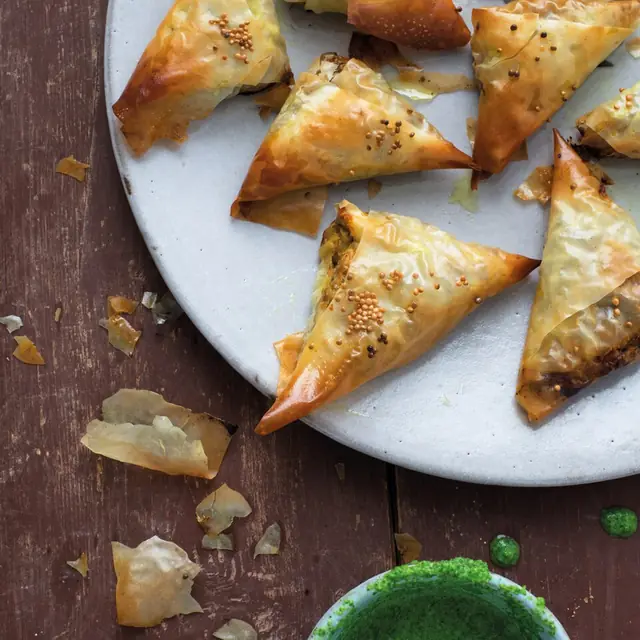
Thin pastry triangles filled with spiced mince, chicken or potato and deep-fried to order. South African samoosas run smaller than Indian ones, which is why they are sold three to a bag.
Where: Biesmiellah, Muizenberg Flea Market
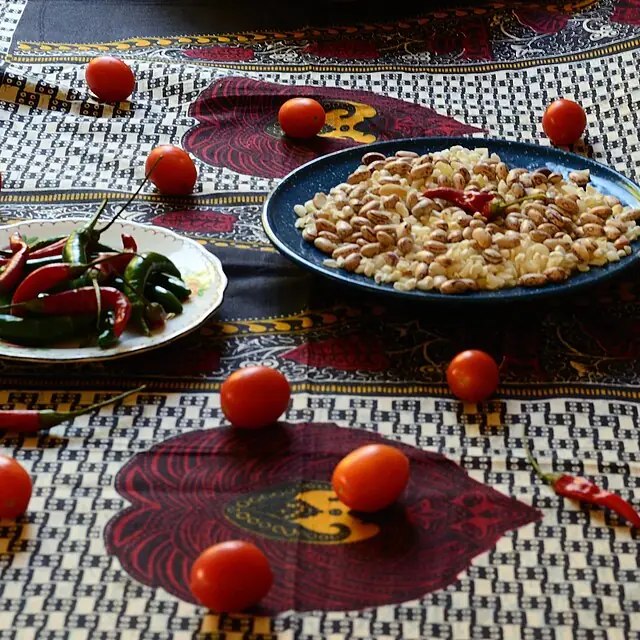
A spiced tomato, carrot and bean relish spooned beside stiff maize porridge, and the standard pair of sides at any Cape Flats braai. Good cold the next day, which is half the point.
Where: Rands
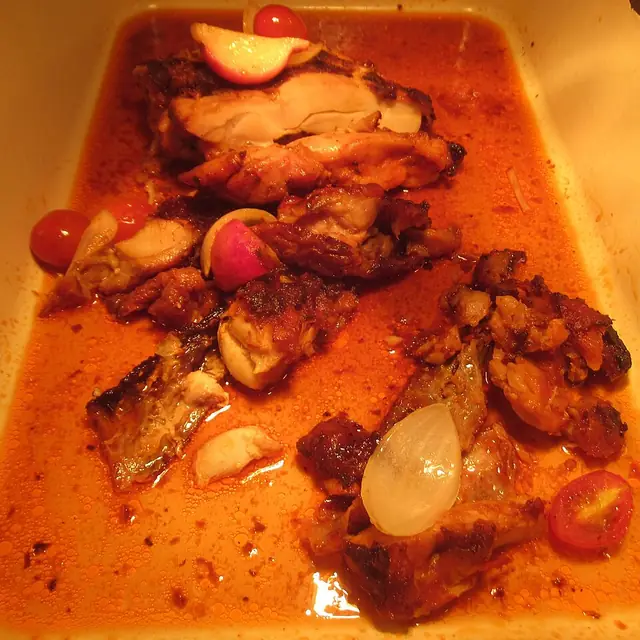
Butterflied chicken grilled hard and painted with a garlic, chilli and lemon oil until the skin blisters. Cape Town's Afro-Lusitanian standard, usually ordered with chips and a bottle of the sauce.
Where: Petiscos, Dias Tavern
The Cape rock lobster, kreef on a Cape Town menu, split and braaied with garlic butter or boiled and eaten cold. A short legal season is what makes it a seasonal treat rather than a staple.
Where: Kalky's
Gatsby
A full Portuguese roll split lengthwise and packed with slap chips, a hot filling and achar, then cut into wedges for a table to share. Cape Town's own sandwich, and still cheapest where it started.
History: Rashaad Pandy, who ran a food shop in Athlone on the Cape Flats, fed a crew of workers in 1976 by filling a large loaf with slap chips, polony and achar and cutting it into wedges. One of the workers, nicknamed Froggy, called it a Gatsby smash after The Great Gatsby, which had been screening at a cinema nearby, and Pandy put the name on the counter. The sandwich spread across Athlone, Mitchells Plain and Gatesville, where the standard grew to a footlong measured in quarters, and the fillings widened to masala steak, fried calamari, polony and Vienna sausage.
Where to try it: Super Fisheries, Golden Dish, West Coast Fisheries
Watch out for: Gluten, Egg, Milk
Bobotie
Spiced minced meat with dried fruit, baked under a set egg and milk custard with bay leaves pressed into the top. Served with turmeric rice, chutney and sambals rather than gravy.
History: Bobotie reached the Cape through the Dutch table and the kitchens of enslaved and exiled people brought from the Indonesian archipelago, Bengal and East Africa from 1658 onwards, and the Cape Malay community made it its own. The Afrikaans etymological dictionary traces the name to the Malay boemboe, meaning curry spices, and the dish resembles patinam ex lacte, layered meat under a milk topping recorded by the Roman writer Apicius. What is now standard in Cape Town is minced beef or lamb with curry powder, onion, breadcrumbs soaked in milk and raisins or sultanas, baked until the custard sets.
Where to try it: Karibu Restaurant, Bo-Kaap Kombuis, The Fireman's Arms
Watch out for: Egg, Milk, Gluten, Nuts
Braaied snoek with apricot glaze
A whole snoek butterflied, basted with apricot jam, butter, lemon and garlic and braaied skin side down, the West Coast Sunday standard; harbour counters sell it fried or smoked.
History: Snoek, Thyrsites atun, runs in cold water along the Western Cape coast and has fed Cape Town from the harbours at Hout Bay, Kalk Bay and Lamberts Bay for generations. The fish is oily, strongly flavoured and full of fine bones, which is why it is cooked open on a hinged grid rather than filleted, and why the standard baste is sweet: apricot jam cut with lemon juice, butter and garlic balances the salt and oil. The traditional accompaniments are soetpatats, boiled sweet potatoes, and roosterkoek baked on the same coals. Smoked snoek, worked into a pate with cream cheese, is the other half of the tradition.
Where to try it: Kalky's, Snoekies, West Coast Fisheries
Watch out for: Fish, Milk
Koesisters
Cape Malay spiced dough balls, deep-fried, dipped in boiling syrup and rolled in desiccated coconut. Sold on Sunday mornings in Bo-Kaap, and not the same thing as an Afrikaner koeksister.
History: The koesister is a Cape Malay pastry with a cake-like crumb, spiced with cinnamon, aniseed, ginger, cardamom and dried tangerine skin powder, and the technique came to the Cape with people enslaved and exiled from the Indonesian archipelago from the 1650s. It is fried, cooled, cooked briefly in syrup and finished in coconut. The Afrikaner koeksister is a different pastry entirely: a crisp plaited doughnut drowned in cold syrup, with no spice and no coconut. In Bo-Kaap the koesister is a Sunday-morning routine, bought warm by the bag and eaten with milky tea.
Where to try it: Bo-Kaap Deli
Watch out for: Gluten, Milk
Cape Malay chicken curry
A gently spiced curry built on cinnamon, cardamom, turmeric and cloves rather than heat, sweetened with fruit and finished with potato. Eaten with yellow rice, sambals and roti.
History: Cape Malay cooking took shape in the kitchens of people brought to the Cape in bondage from the Indonesian archipelago, Bengal, Madagascar and the East African coast from 1658. Their cooks folded Southeast Asian whole spices into Dutch stewing, and the result runs mild and slightly sweet: turmeric for colour, cinnamon and cardamom for perfume, cloves and allspice for depth, apricot or tomato for body. Bo-Kaap, where freed Muslim families settled from the 1830s around the Auwal Mosque, is still where the city buys its masala by the scoop and where the curry is cooked closest to the old form.
Where to try it: Biesmiellah
Watch out for: Gluten, Milk
Breyani
The Cape Malay layered rice dish: marinated meat, brown lentils, fried potato and onion stacked under parboiled basmati, sealed and steamed in its own liquid. Standard at Eid and family tables.
History: Breyani is the Cape's name for biryani, the layered rice dish that reached South Africa with enslaved and indentured people from the Indian subcontinent and the Indonesian archipelago. What separates the Cape version from its South Asian parents is the brown lentils layered with the rice, the fried potato and the local masala blends sold by the scoop in Bo-Kaap and Rylands. The meat is marinated in yoghurt or buttermilk with ginger, garlic, cardamom, turmeric and cloves before layering, and the pot is sealed so nothing escapes. Lamb, chicken, frikkadel, mince and tuna versions have all been added since.
Where to try it: Eastern Food Bazaar
Watch out for: Milk, Egg
Shisanyama
Buy raw meat by weight at a township butchery counter, hand the tray over, and it comes back grilled over wood coals with pap and chakalaka. A system as much as a dish, and a weekend one.
History: Shisa nyama means burns the meat in isiZulu, and the format began as a way for township butcheries to lift weekend sales: sell the cut over the counter, grill it out back, and the queue stays to eat and drink. Cape Town's version runs on the Cape Flats, where Mzoli Ngcawuzele opened at NY115 in Gugulethu in 2003 selling meat from his garage and turned the address into a weekend institution. Lamb chops, beef ribs, boerewors and basted chicken wings are the standard cuts, weighed at the counter and priced by the kilogram, eaten with pap, chakalaka and a plastic fork.
Where to try it: Teez @ 115, Rands, Nomzamo Butchery
Hake and slap chips
Deep-fried hake with soft vinegar-soaked chips, wrapped in paper and eaten standing up at a harbour counter. Snoek replaces the hake when the boats are in and the price is right.
History: Cape Town's fish and chip counter is a Greek and Portuguese inheritance, built through the twentieth century by families who ran the city's milk bars and fish shops, which is why a Cape Town fish shop still sells calamari beside the chips. Slap, from the Afrikaans for limp, is the point: the chips are fried once, kept soft and doused in white vinegar, not crisped. Hake is the everyday fish because the Cape trawl fishery lands it year round, while snoek and yellowtail are seasonal. Kalk Bay and Hout Bay harbours sell it a few metres from where the boats tie up.
Where to try it: Kalky's, Snoekies, Fish on the Rocks, Plumstead Fisheries, The Lighthouse Cafe
Watch out for: Fish, Gluten, Egg
Samoosas
Thin pastry triangles filled with spiced mince, chicken or potato and deep-fried to order. South African samoosas run smaller than Indian ones, which is why they are sold three to a bag.
History: The samoosa came to the Cape twice over: with people enslaved and exiled from Bengal and the Indonesian archipelago from the 1650s, and again with Indian traders and labourers arriving from the 1860s who set up the roti and masala counters that Athlone and Rylands still run. South African samoosas are smaller than Indian ones, wrapped in a thin flour pastry rather than a thick shortcrust, and fried rather than baked. In Bo-Kaap they are sold alongside daltjies, the chilli-bite fritters of gram flour and spinach that are the other half of any Cape Malay snack box.
Where to try it: Biesmiellah, Muizenberg Flea Market
Watch out for: Gluten
Chakalaka and pap
A spiced tomato, carrot and bean relish spooned beside stiff maize porridge, and the standard pair of sides at any Cape Flats braai. Good cold the next day, which is half the point.
History: Chakalaka is said to have started in the townships and gold mines around Johannesburg, where Mozambican mineworkers cooked tinned tomato and beans with chilli into a Portuguese-style relish to eat with pap. It travelled with labour migration and is now standard across South Africa, including at Cape Town's shisanyama counters, where a tub of it comes with every kilogram of grilled meat. Pap is the constant beneath it: maize meal rained into salted boiling water and steamed stiff enough to hold a shape, eaten with the hand or pushed onto a fork.
Where to try it: Rands
Watch out for: Milk
Peri-peri chicken
Butterflied chicken grilled hard and painted with a garlic, chilli and lemon oil until the skin blisters. Cape Town's Afro-Lusitanian standard, usually ordered with chips and a bottle of the sauce.
History: Peri-peri is the malagueta chilli that Portuguese traders carried around southern Africa, and the name comes from the Ronga word for pepper in southern Mozambique. The sauce is chilli and garlic in an oily or acidic base, often with lemon, paprika, bay and a splash of spirits. Cape Town's version arrived with Madeiran families who settled from the 1930s and with Portuguese speakers who left Angola and Mozambique after 1975, opening the corner cafes and taverns that still grill it. That is the same community that gave the city the prego roll and trinchado.
Where to try it: Petiscos, Dias Tavern
West Coast crayfish
The Cape rock lobster, kreef on a Cape Town menu, split and braaied with garlic butter or boiled and eaten cold. A short legal season is what makes it a seasonal treat rather than a staple.
History: Jasus lalandii, the West Coast rock lobster, lives in shallow water from Cape Cross in Namibia round the Cape of Good Hope to Algoa Bay, and Cape Town has eaten it for as long as there have been boats in Table Bay. It is called crayfish locally and kreef in Afrikaans, and the coastal habit is to braai it rather than boil it. Overfishing changed the terms: the commercial fishery is capped by quota and the recreational season is short, with days gazetted each summer and a limit of four per person per day. Scarcity is why a kilogram now costs what it does.
Where to try it: Kalky's
Watch out for: Crustacean, Milk