Guided tour · 2 hours
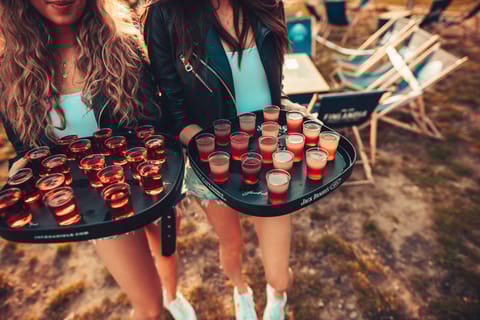
Wroclaw: Food & Vodka Culture Tour with Local Guide
Experience traditional Polish food and the local drinking culture on a guided walking tour around Wroclaw's pubs and restaurants.
fromzł 299 Check dates
Also: Food History in Wroclaw
How Wrocław came to eat the way it does: the people, migrations and accidents that shaped the plate.
How Wrocław came to eat the way it does: the people, migrations and accidents that shaped the plate.
Wrocław (then Vratislavia) sat on the trade road between the Holy Roman Empire, Bohemia and Poland. The city's food culture was Polish-Bohemian-Silesian: rye bread, sauerkraut, smoked pork, river fish from the Oder. The Rynek's market hall has held food trade since 1242. Silesia's distinctive kluski śląskie (potato dumplings with the thumb-hole) date from this period's potato-cultivation roll-out.
Wrocław spent two centuries as Breslau, the second-largest German Empire city after Berlin. The German bistro inheritance is still visible in rolada śląska (Silesian roulade), modra kapusta (red cabbage with apples), and the prevalence of pork-knuckle plates. Hala Targowa opened 1908 as Breslauer Markthalle Nr 1. The Jewish quarter around Włodkowica produced a vibrant pre-war food scene erased by the Holocaust.
Wrocław was 80 percent destroyed in 1945. The German population was expelled; Polish settlers from Lwów (now Lviv) and the eastern Borderlands arrived. Eastern Polish food (Lwów bigos, Borderlands kebab) layered onto the Silesian-German base. Milk bars (bary mleczne) spread under communism as state-subsidised canteens; many survive.
Post-1989 Wrocław (locals call it Wrocek) gained EU membership in 2004, a 130,000-strong student population, and a craft scene to match. Browar Stu Mostów opened 2014. The 2025 Michelin Guide debut named 22 Wrocław restaurants including three Bib Gourmands (Baba, IDA, Tarasowa), confirming the city as Poland's third culinary capital after Warsaw and Kraków.
Guided tour · 2 hours
Experience traditional Polish food and the local drinking culture on a guided walking tour around Wroclaw's pubs and restaurants.

Private tour · 2.5 - 5 hours
Sample traditional Polish food and enjoy local flavors on this food tour in Wroclaw. Try various dishes, appetizers, and desserts. Get an interesting lesson about the ...
Guided tour · 2 - 4 hours
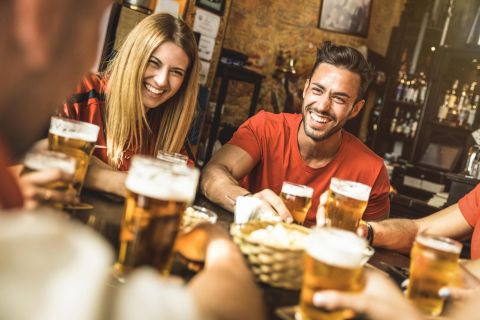
Embark on a journey through the world of Polish beer in Wroclaw Old Town! Visit the best local venues and taste 7-13 different flavors of popular, regional and craft beer.