
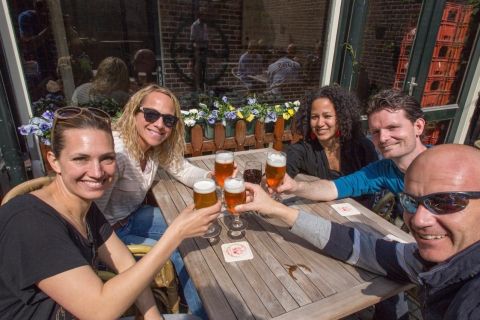
The flagship lager from Kaapse Brouwers, brewed in the Fenix Food Factory on the Katendrecht waterfront. A clean, crisp Dutch pilsner with a distinctive hop edge that has become the defining Rotterdam craft beer.
The canonical version and where to order it.
The flagship lager from Kaapse Brouwers, brewed in the Fenix Food Factory on the Katendrecht waterfront. A clean, crisp Dutch pilsner with a distinctive hop edge that has become the defining Rotterdam craft beer.
1 editor pick for Kaapse Pils in Rotterdam, ranked by editorial score. All Rotterdam signature dishes · Kaapse Pils across every city.
Rotterdam's flagship craft brewery, brewing bold ales from session pils to imperial stouts at Keilestraat with the Kaapse Kaap taproom on Katendrecht.

Not on this list, but among the highest we score in this city. Every one is in our guide with its address, hours and what to order.
Editor tip. Lagering is the single non-negotiable step; without 2 to 4 weeks of cold conditioning you have a German Helles, not a Dutch Pilsner.
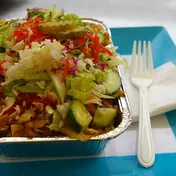 Kapsalon
 Kibbeling
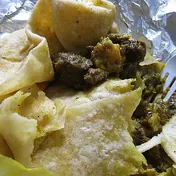 Surinamese Roti
 Pom
 Bitterballen
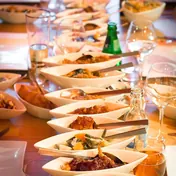 Rijsttafel
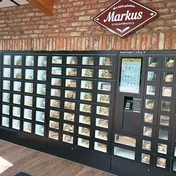 Stroopwafel
Where to eat Kaapse Pils in NetherlandsKaapse Pils: best cities and venues