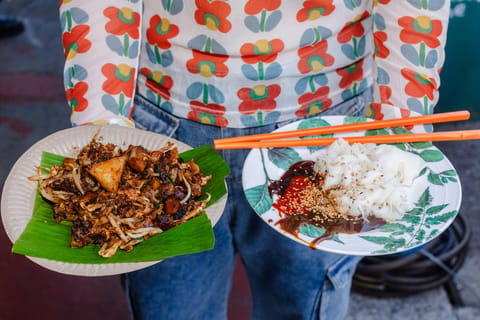
Guided tour · 4 hours
Penang: Morning Food Tour with 15+ Tastings in George Town
Discover the favorite local brunch foods on a guided tour of the George Town district.
from$49 Check dates
What’s in season in Penang, and what to order when the market changes.
What is in season in Penang, and what to order when the market changes.
Going to Deepavali in Little India?
Hotels in Penang, 8 Nov
Going to Thaipusam?
Hotels in Penang, 22 Jan 2027
Guided tour · 4 hours
Discover the favorite local brunch foods on a guided tour of the George Town district.

Guided tour · 4 hours
Take a deep dive into Penang's rich food culture and history. Meet the people behind the food, salivate over 15+ tastings, and discover what makes up this island's vib...
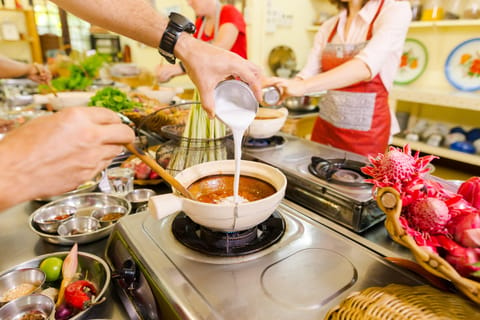
4 hours
Explore a tropical spice garden and learn to cook South East Asian dishes in a fully hands-on cooking class. Enjoy a personalized experience with individual stations a...