What is in season in Heraklion. and what to order when the market changes.
Spring
- Wild greens (horta): Stamnagathi, vlita and askolymbroi come off the hillsides from March. Tavernas boil them plain with lemon and oil, or braise them with goat.
- Snails: Chochlioi are gathered after rain in spring and cooked boubouristi, face down in hot oil, then finished with vinegar and rosemary.
- Artichokes and broad beans: Agora stalls pile both through April. Kitchens stew them together with dill and lemon, or serve the beans raw with sea salt.
Summer
- Tomatoes for dakos: Dakos only makes sense in July and August, when Messara tomatoes are grated straight over barley rusk with myzithra and oregano.
- Grapes and sultanas: The vineyards south of the city harvest from August. Roadside stalls between Peza and Dafnes sell table grapes and drying sultanas.
- Grilled fish: Harbour ouzeria switch to gavros, sardines and small bream through the hot months, grilled whole and served with nothing but lemon.
Autumn
- Tsikoudia (raki): October and November are rakokazana season. Villages fire the stills, roast chestnuts and pork alongside, and the first raki is drunk warm.
- Olive oil: The new harvest presses from November. Heraklion tavernas pour the cloudy first oil over bread and rusk while it still tastes green and peppery.
- Quince and pomegranate: Both land on Agora stalls in October. Quince goes into spoon sweets and pork stews, pomegranate seeds onto apaki and salads.
Winter
- Citrus: Oranges and lemons from the Messara arrive through winter, and the Agora fills with mandarins. Kitchens use the juice in avgolemono and in braised goat.
- Wild greens and pies: Chortopites come back in force after the rains. Bakeries stretch fresh phyllo daily and fill it with greens fried in olive oil.
- Gamopilafo: Winter is wedding and name-day season, which is when gamopilafo appears: rice cooked in goat broth, finished with staka butter and lemon.
Seasonal: tours, tastings and classes in Heraklion
Day trip · 8 hours
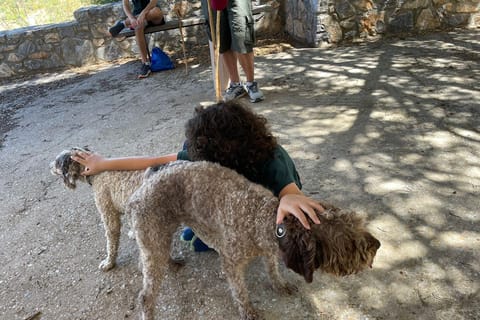
Explore the landscapes, villages & eateries of the Lassithi Plateau on a day trip from Heraklion or Hersonissos. Source your own ingredients on a Cretan black truffle hunt.
Day trip · 5 hours
Discover the vineyards and ancient architecture of Knossos, on a private full-day Crete journey, with a light lunch and wine.
3 hours
Watch the sun come up over the Lasithi Plateau from a hot air balloon, then celebrate back on the ground with sparkling wine and a real Greek breakfast. One of the bes...
See all 625 bookable experiences in Heraklion