Signature dishes
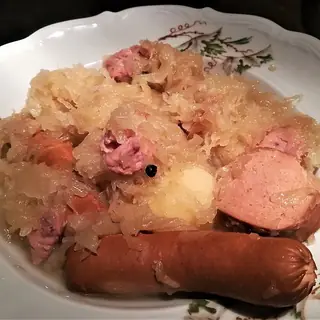
The Alsatian icon: fermented cabbage simmered in Riesling and goose fat, heaped with smoked pork, salt pork, knuckle and a spread of local sausages, with boiled potatoes alongside.
Where: Maison Kammerzell, Au Pont Corbeau, Le Tire-Bouchon, Le Pfifferbriader
Price: €18 to €28
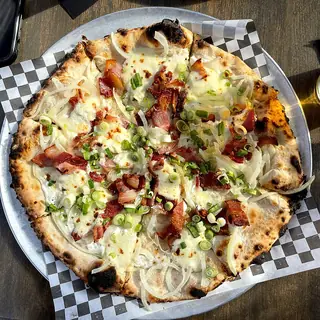
Flammekueche in Alsatian: a paper-thin bread dough spread with fromage blanc and cream, scattered with onion and smoked lardons, then blasted in a wood oven until the edges char.
Where: Binchstub Broglie, Mama Bubbele, Le Gruber, Au Brasseur
Price: €8 to €14
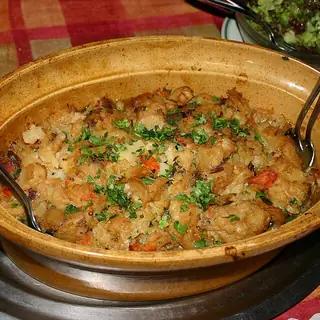
A three-meat and potato casserole, lamb, beef and pork marinated overnight in Riesling, layered with potatoes and onions and sealed under a lid of dough to bake slowly all day.
Where: Fink'Stuebel, L'Ami Schutz, Chez Yvonne, Winstub Le Clou
Price: €20 to €28
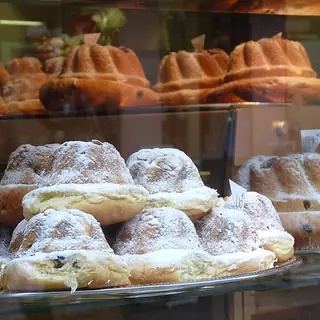
A tall, fluted ring of enriched yeast cake studded with rum-soaked raisins and lined with whole almonds, dusted with icing sugar and eaten at breakfast or with afternoon coffee.
Where: Patisserie Christian, Maison Naegel, Le Fournil d'Austerlitz
Price: €8 to €16
The Alsatian pretzel: a glossy, dark-baked knot of lye-dipped dough, scattered with coarse salt, chewy inside and snapped apart warm as a street snack or with a beer.
Where: Maison Naegel, Le Fournil d'Austerlitz, Au Pain de mon Grand-Pere
Price: €1.50 to €4
Alsace's white-wine answer to coq au vin: chicken braised in dry Riesling with mushrooms and cream, finished glossy and served over buttered egg noodles or spaetzle.
Where: Winstub Le Clou, Chez Yvonne, Le Schnockeloch
Price: €18 to €26
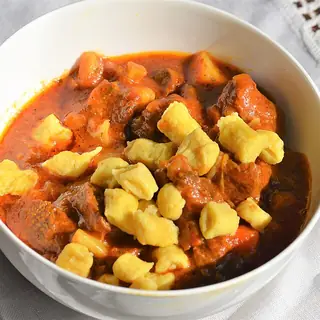
Soft Alsatian egg noodles, scraped into boiling water and then tossed in foaming butter, served as a side to braises or piled up with melted cheese and fried onions.
Where: La Corde a Linge, Au Pont Corbeau, Fink'Stuebel
Price: €10 to €18
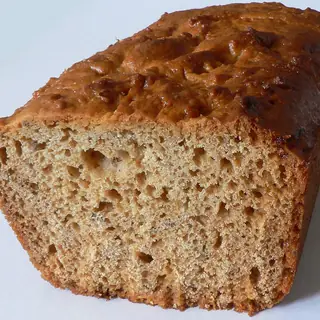
Alsatian gingerbread: a dense, dark honey-and-rye loaf spiced with cinnamon, anise and clove, sliced thin at tea time or baked into the Christmas market's biscuits and figures.
Where: Patisserie Christian, Maison Naegel
Price: €6 to €14
An Alsatian head-cheese terrine: pieces of slow-cooked pork set in a sharp, herb-flecked aspic, sliced cold with a vinaigrette and raw onion as a winstub starter.
Where: Au Pont Corbeau, Chez Yvonne
Price: €8 to €14
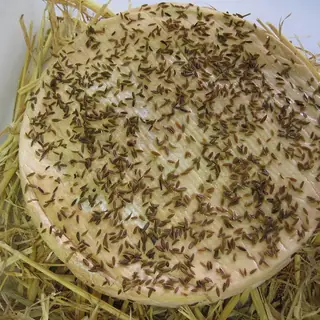
A soft, washed-rind cow's-milk cheese from the Vosges valleys, pungent and supple, eaten with cumin seeds and a glass of Gewurztraminer or melted over potatoes.
Where: La Cloche a Fromage, Marche de la Place Broglie
Price: €4 to €12
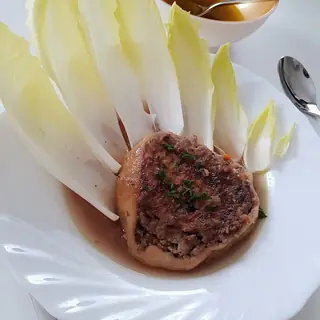
Alsatian beef-and-onion meat snails: leftover braised beef minced with parsley, onion and egg, rolled in fresh egg-noodle dough, sliced like a Swiss roll, browned in butter and finished with onion stock.
Where: Le Schnockeloch, Winstub Le Clou, Chez Yvonne, Au Pont Corbeau
Price: €18-26
Alsatian liver dumplings: pork or beef liver minced with bread soaked in milk, eggs and herbs, poached and finished with brown butter, fried onion and a green salad. Winstub comfort food.
Where: Fink'Stuebel, Le Schnockeloch, Au Pont Corbeau, L'Ami Schutz
Price: €14-22
Choucroute garnie
The Alsatian icon: fermented cabbage simmered in Riesling and goose fat, heaped with smoked pork, salt pork, knuckle and a spread of local sausages, with boiled potatoes alongside.
History: Choucroute is Alsace's German inheritance, sauerkraut that crossed the Rhine and settled into the region's kitchens centuries ago. The cabbage is salted, fermented and then slow-cooked in white wine, traditionally Riesling. The garnie version, weighed down with several cuts of pork and sausage, became the Sunday and feast-day centrepiece of the winstub. It is the dish most travellers come to Strasbourg to eat, and the city's taverns still build their reputations on it.
Where to try it: Maison Kammerzell, Au Pont Corbeau, Le Tire-Bouchon, Le Pfifferbriader
Watch out for: Sulphites
Tarte flambee
Flammekueche in Alsatian: a paper-thin bread dough spread with fromage blanc and cream, scattered with onion and smoked lardons, then blasted in a wood oven until the edges char.
History: Tarte flambee began as a farmer's trick, a thin round of dough slid into the wood oven to test its heat before the week's bread went in. Topped with cream, onion and bacon, it became a treat eaten with the fingers and washed down with beer or a glass of Edelzwicker. The Kochersberg countryside around Strasbourg claims it, and it reached the city's restaurant tables in force during the 1960s. Today it is the casual counterpart to choucroute, eaten in rounds and shared.
Where to try it: Binchstub Broglie, Mama Bubbele, Le Gruber, Au Brasseur
Watch out for: Gluten, Dairy
Baeckeoffe
A three-meat and potato casserole, lamb, beef and pork marinated overnight in Riesling, layered with potatoes and onions and sealed under a lid of dough to bake slowly all day.
History: Baeckeoffe means baker's oven, and the name tells its story. Alsatian housewives would assemble the casserole on washing day, seal the dish with a strip of dough and drop it at the village baker's on the way to the laundry, collecting it cooked hours later from the residual heat of the bread oven. The overnight Riesling marinade and the slow, sealed cooking give it its character. It remains a winter winstub staple, ordered for the table and served straight from the terracotta pot.
Where to try it: Fink'Stuebel, L'Ami Schutz, Chez Yvonne, Winstub Le Clou
Watch out for: Gluten, Sulphites
Kougelhopf
A tall, fluted ring of enriched yeast cake studded with rum-soaked raisins and lined with whole almonds, dusted with icing sugar and eaten at breakfast or with afternoon coffee.
History: The kougelhopf, also spelled kouglof, is Alsace's emblem in cake form, baked in its distinctive ridged earthenware mould. Legend ties it to the three kings passing through the region, but in truth it is a Central European enriched bread that Alsace made its own. There is a savoury version with bacon and walnuts for the aperitif, but the sweet one, ringed with almonds and raisins, is the icon. Strasbourg's pastry houses sell it by the ring, and it anchors the Sunday breakfast table.
Where to try it: Patisserie Christian, Maison Naegel, Le Fournil d'Austerlitz
Watch out for: Gluten, Dairy, Eggs, Nuts
Bretzel
The Alsatian pretzel: a glossy, dark-baked knot of lye-dipped dough, scattered with coarse salt, chewy inside and snapped apart warm as a street snack or with a beer.
History: The bretzel has been an Alsatian and southern German staple for centuries, its looped shape a baker's guild emblem long before it was a snack. Dipped in a lye bath before baking, it takes on its mahogany sheen and distinctive bite. In Strasbourg you find it warm from bakery counters and at market and Christmas stalls, sometimes split and filled, sometimes baked into the sweeter mauricette roll. It is the everyday face of Alsatian baking.
Where to try it: Maison Naegel, Le Fournil d'Austerlitz, Au Pain de mon Grand-Pere
Watch out for: Gluten
Coq au Riesling
Alsace's white-wine answer to coq au vin: chicken braised in dry Riesling with mushrooms and cream, finished glossy and served over buttered egg noodles or spaetzle.
History: Where Burgundy braises its chicken in red, Alsace reaches for its own dry Riesling. Coq au Riesling is the region's house chicken dish, the bird simmered slowly in white wine with mushrooms and shallots, then enriched with cream at the end. It belongs to the same farmhouse tradition as baeckeoffe and choucroute, using the wine that grows on the doorstep. Winstubs and home kitchens alike serve it with spaetzle to catch the sauce.
Where to try it: Winstub Le Clou, Chez Yvonne, Le Schnockeloch
Watch out for: Dairy, Sulphites
Spaetzle
Soft Alsatian egg noodles, scraped into boiling water and then tossed in foaming butter, served as a side to braises or piled up with melted cheese and fried onions.
History: Spaetzle, the little soft egg dumplings of the German-speaking world, are as Alsatian as they are Swabian. The dough is loose, scraped or pressed straight into boiling water, where the noodles set in seconds. In Alsace they are the standard partner to coq au Riesling and game, and on their own become kaseknepfle when bound with cheese and topped with fried onions. They are home cooking, comfort and the everyday starch of the region.
Where to try it: La Corde a Linge, Au Pont Corbeau, Fink'Stuebel
Watch out for: Gluten, Eggs, Dairy
Pain d'epices
Alsatian gingerbread: a dense, dark honey-and-rye loaf spiced with cinnamon, anise and clove, sliced thin at tea time or baked into the Christmas market's biscuits and figures.
History: Pain d'epices, honey spice bread, has deep roots in Alsace, with the nearby village of Gertwiller styling itself the capital of gingerbread. Built on honey and rye flour and warmed with anise, cinnamon and clove, it keeps for weeks and scents the air of the Christkindelsmarik. It appears as loaves, as glazed figures and as the spiced biscuits sold from December stalls. Pastry houses bake it year-round, but it belongs above all to the Strasbourg winter.
Where to try it: Patisserie Christian, Maison Naegel
Watch out for: Gluten
Presskopf
An Alsatian head-cheese terrine: pieces of slow-cooked pork set in a sharp, herb-flecked aspic, sliced cold with a vinaigrette and raw onion as a winstub starter.
History: Presskopf, literally pressed head, is the Alsatian take on the French fromage de tete, a terrine of pork set in its own jelly. It is charcuterie of thrift, using the whole animal, and it survives because it tastes good: cool, gelatinous and tangy against a sharp dressing. It opens many a winstub meal, served in thick slices with a vinaigrette, capers and onion. Alongside it sits the carp version that Alsace's Jewish kitchens made their own.
Where to try it: Au Pont Corbeau, Chez Yvonne
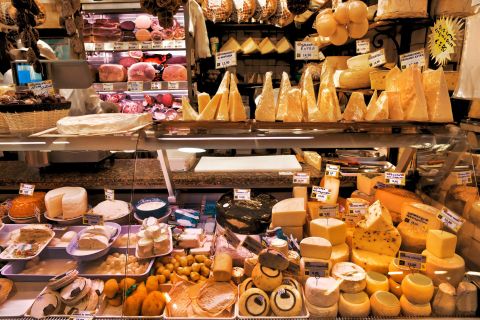
Munster cheese
A soft, washed-rind cow's-milk cheese from the Vosges valleys, pungent and supple, eaten with cumin seeds and a glass of Gewurztraminer or melted over potatoes.
History: Munster takes its name from the Vosges town and was first made by monks in the valleys west of Strasbourg, who washed the rinds to preserve the cheese and gave it its powerful aroma. It carries an AOP today, and despite the smell the paste is mild and creamy. Alsatians eat it ripe with caraway or cumin seeds and a sweet Gewurztraminer, or melt it over potatoes. It is the region's great cheese and a fixture of the Strasbourg market stalls.
Where to try it: La Cloche a Fromage, Marche de la Place Broglie
Watch out for: Dairy
Fleischschnacka
Alsatian beef-and-onion meat snails: leftover braised beef minced with parsley, onion and egg, rolled in fresh egg-noodle dough, sliced like a Swiss roll, browned in butter and finished with onion stock.
History: Fleischschnacka (literally 'meat snails' in Alsatian) is a thrift-kitchen dish from the rural Bas-Rhin: traditionally made on Tuesdays with the leftover beef from Sunday's pot-au-feu. The braised beef is minced with parsley, onion and egg, rolled into a sheet of fresh egg-noodle dough, sliced and pan-fried. Le Schnockeloch and Winstub Le Clou plate the canonical Strasbourg version; Chez Yvonne and Au Pont Corbeau serve refined interpretations. The dish remains a winstub staple.
Where to try it: Le Schnockeloch, Winstub Le Clou, Chez Yvonne, Au Pont Corbeau
Watch out for: Gluten, Eggs
Lewerknepfle
Alsatian liver dumplings: pork or beef liver minced with bread soaked in milk, eggs and herbs, poached and finished with brown butter, fried onion and a green salad. Winstub comfort food.
History: Lewerknepfle (Alsatian for 'liver dumplings') are the Alsatian household answer to the German Leberknödel: poached dumplings of liver, bread, eggs and herbs, originally a thrift kitchen dish using offal that would otherwise spoil. They were and remain Friday and Lent staples in Alsatian households, traditionally served in soup but more commonly in the brown-butter-and-fried-onion finish on every winstub menu. Fink'Stuebel and Le Schnockeloch plate the canonical Strasbourg versions.
Where to try it: Fink'Stuebel, Le Schnockeloch, Au Pont Corbeau, L'Ami Schutz
Watch out for: Gluten, Eggs, Dairy