History

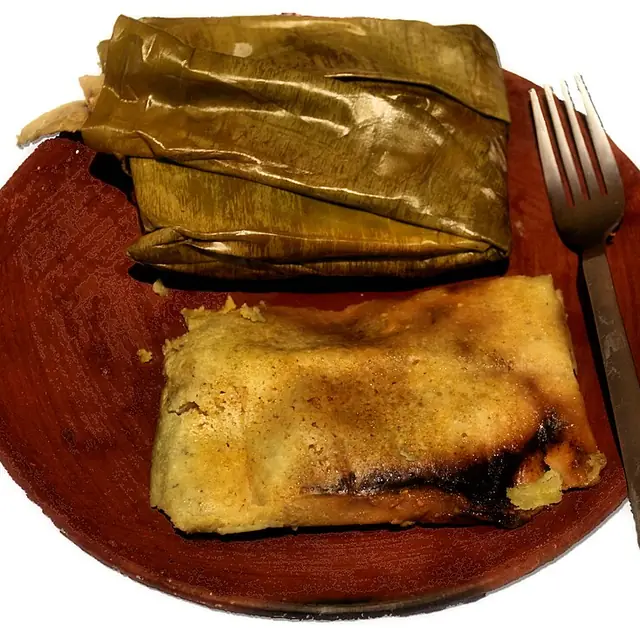
Tamales date to Pre-Hispanic Mesoamerica, originally a portable food for the Aztec army made from nixtamalised corn masa wrapped in corn husks. Spanish lard transformed the texture after 1521. The modern Mexico City tamal includes the corn-husk style of the highlands and the banana-leaf style brought from Veracruz and Oaxaca. The Feria del Tamal runs every January 29 to February 2 at the Museo Nacional de Culturas Populares in Coyoacan for Candelaria.

Make it at home

Yield Makes 16 tamalesHands-on 1 hrTotal 3 hrDifficulty Intermediate

Ingredients

  • 500g corn masa harina (or fresh masa)
  • 200g lard or neutral oil
  • 350ml warm chicken stock
  • 1 teaspoon salt
  • 1 teaspoon baking powder
  • 20 dried corn husks, soaked in hot water 30 minutes
  • 300g shredded cooked chicken
  • 200ml salsa verde
  • 100g Oaxaca cheese, torn

Method

  1. Beat the lard with an electric mixer for 5 minutes until fluffy and pale.
  2. Combine masa harina, salt and baking powder. Add the lard alternately with warm stock, beating until the masa floats when a small piece is dropped in water.
  3. Lay a softened corn husk smooth side up. Spread 3 tablespoons masa across the wide end, leaving a 2cm border at the bottom.
  4. Place a heaping tablespoon of shredded chicken in salsa verde down the centre, plus a piece of Oaxaca cheese.
  5. Fold the sides of the husk over the filling, then fold the pointed bottom up. Stand the tamales upright open-end up in a steamer.
  6. Steam covered with a damp cloth for 75 minutes, topping up water as needed. The tamales are ready when the masa pulls away cleanly from the husk.

Tip from the editors. The masa must be light and float in water before you wrap. Don't pack the tamales too tightly in the steamer; they need room to expand.

This is the TableJourney editorial recipe, modelled on the canonical bistro / counter version. The first place to try the dish in its city of origin is below.

Where to eat tamales

Tamales in Mexico City

El Cardenal ★ 4.6

Traditional Mexican$$centro-historico

El Cardenal in Mexico City is the Briz family's 1969 Centro Historico room on Palma, the traditional Mexican breakfast institution where hot chocolate is frothed tableside with raw-milk nata.

Signature: Hot chocolate, Pan de nata, Chiles en nogada

Order: The hot chocolate with pan de nata; chiles en nogada when in season July to September.

Tip: Open 08:00 to 18:00; the Centro location seats four floors and still queues by 09:30 on Sunday morning.

Cafe de Tacuba ★ 4.3

Traditional Mexican$$centro-historico

Cafe de Tacuba in Mexico City is the Mollinedo family's 1912 Centro Historico room on Tacuba, the 17th-century palace dining hall that runs every traditional Mexican breakfast format the capital invented.

Signature: Enchiladas de mole, Tamales, Chocolate caliente

Order: Enchiladas de mole verde; tamales served with frothy chocolate caliente.

Tip: Daily 08:00 to 23:00; the strolling student trio on Sunday afternoons is the move for the room's full character.

Azul Historico ★ 4.4

Traditional Mexican$$$centro-historico

Azul Historico in Mexico City is chef Ricardo Munoz Zurita's Centro Historico courtyard kitchen at the Downtown Mexico hotel, the regional Mexican mole specialist with seats under the Indian laurel.

Signature: Mole negro, Cochinita pibil, Chiles en nogada

Order: Mole negro from Oaxaca; cochinita pibil tacos; an agua fresca de la temporada.

Tip: The open courtyard table closest to the fountain is the seat; brunch lasts till 17:00 weekends. Walk-ins land most weekdays.

More cities are in research. Want tamales covered somewhere specific? Tell us where you want to eat.

Browse all dishes →