History

Oyster farming in Hiroshima Bay is documented from the sixteenth century, and the hanging-raft method perfected here made the prefecture the dominant producer in Japan, supplying the majority of the national farmed crop. Kanawa has worked its own rafts since 1867 and still moors a restaurant boat on the Motoyasu river. The kaki-goya, a plain shed where customers grill their own shells over a burner, is a winter fixture along the Ujina and Kusatsu waterfronts, opening around October and closing in early May when the season ends.
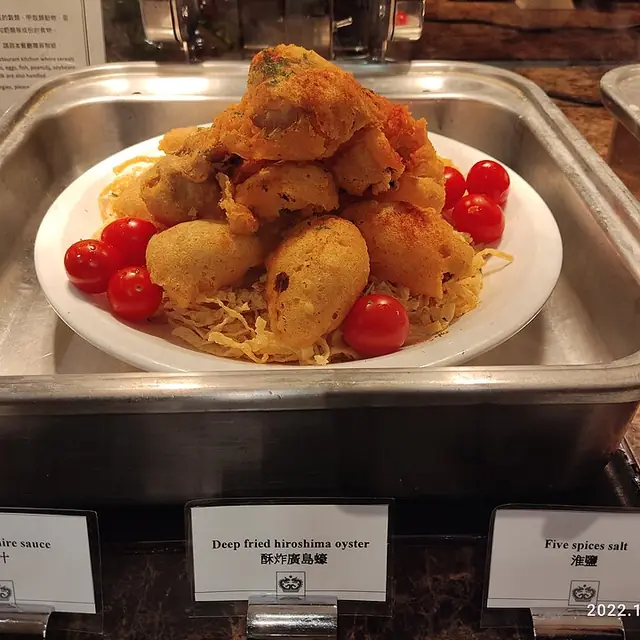
Common allergens: Shellfish

Make it at home

Yield Serves 2Hands-on 15 minTotal 25 minDifficulty Easy

Ingredients

  • 12 large oysters in the shell, scrubbed
  • 1 lemon, halved
  • 20g unsalted butter
  • 1 tbsp soy sauce
  • 1 tbsp sake
  • Ground black pepper

Method

  1. Scrub the shells hard under cold running water and discard any that will not close.
  2. Heat a heavy griddle or barbecue until a drop of water skips across it.
  3. Lay the oysters flat side up and cover with a lid or foil. Cook 6 to 8 minutes until the shells gape.
  4. Turn each oyster and cook 2 minutes more, keeping the liquor in the deep cup.
  5. Warm the butter, soy sauce and sake together until just combined.
  6. Prise the shells open, spoon over a little of the butter mixture and finish with lemon and pepper.

Tip from the editors. Cook them cupped side down first so the liquor stays in the shell; tipping it out is what makes grilled oysters dry.

Where to eat hiroshima oysters (kaki)

Hiroshima oysters (kaki) in Hiroshima

Kakibune Kanawa ★ 4.7

Oyster bar¥¥¥¥¥9,000otemachiDaily 11:00-14:30, 17:00-20:00 last order; closed over the New Year holidaysBook 1 week ahead

Kakibune Kanawa has farmed its own oysters since 1867 and serves them from a boat moored on the Motoyasu river in central Hiroshima, raw and in courses.

Order: The kaki-zukushi oyster course, 9,000 yen on the Seto deck

Tip: Oysters come from the company's rafts off Okurokami island, which is why the raw plates run through the colder months.

Kaki Goya Fukuromachi Umihei Shoten ★ 4.4

Oyster bar¥¥¥fukuromachiDaily 17:00-23:00, last order 22:30; closed Sunday

Kaki Goya Fukuromachi Umihei Shoten keeps Hiroshima's fisherman-hut oyster format running indoors all year, one kilo of shells steamed in a can.

Signature: Can-steamed oysters, Fried oysters, Oyster hot pot

Order: The kilo of oysters steam-grilled in a can over the burner

Tip: Unlike the seasonal huts on the waterfront this branch runs year round, but the oysters are still plumpest between October and March.

Milky Tetsuo no Kaki Goya Ujina ★ 4.3

Oyster bar¥¥minami-kuDaily 10:30-21:00, October to early May only; closed Wednesday

The Ujina kaki-goya is Hiroshima's waterfront oyster hut, a shed on Minato Park where you grill your own shells between October and the start of May.

Try: Grilled oysters

Tip: The site becomes a barbecue garden from mid-May, so the oyster hut only exists in the colder half of the year.

All Hiroshima signature dishes →

More cities are in research. Want hiroshima oysters (kaki) covered somewhere specific? Tell us where you want to eat.

Browse all dishes →