
Chiang Mai
3h 30m
Chiang Mai: Cooking Class, Market & Thai Herbs Garden Tour
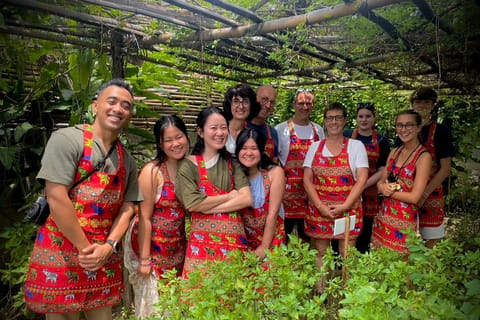
Learn how to cook a variety of Thai dishes with a local chef with an authentic cooking class in Chiang Mai. Visit a local market and savor your...
from฿990Check dates
Coconut-milk curry built on a pounded paste of green bird's-eye chillies, lemongrass, galangal, shrimp paste and kaffir lime. Cooked with chicken or fish balls, Thai aubergines and bamboo; sweet, herbaceous, aromatic.
Where to eat it: 4 restaurants across 1 city.
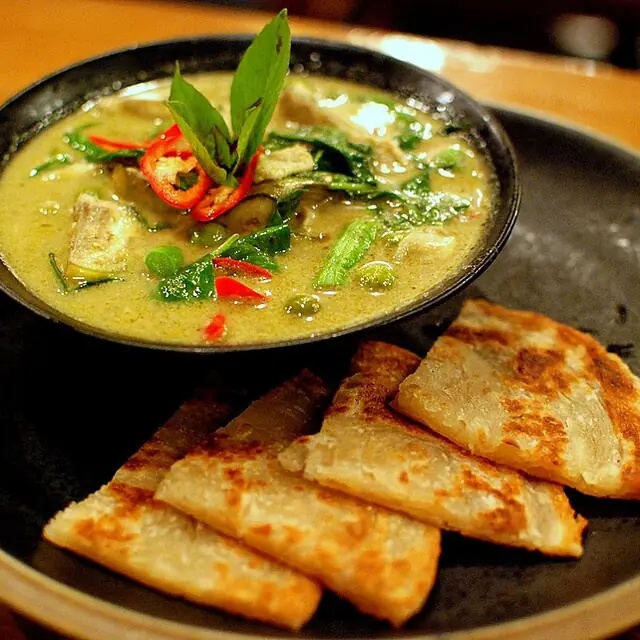
Gaeng keow wan (sweet green curry) emerged in the central-plains Thai kitchens of the Rama VI era (1910s) and consolidated as the canonical green curry through Bangkok royal-cuisine restaurants by the 1950s. The green colour comes from the chillies, the sweet from coconut and palm sugar; pre-modern versions used wild boar. Krua Apsorn and Paste Bangkok run defensible versions; Saneh Jaan is the canonical fine-dining take.
Tours, tastings and classes that match this page, bookable on GetYourGuide.
3h 30m
Learn how to cook a variety of Thai dishes with a local chef with an authentic cooking class in Chiang Mai. Visit a local market and savor your...
3.5 hours
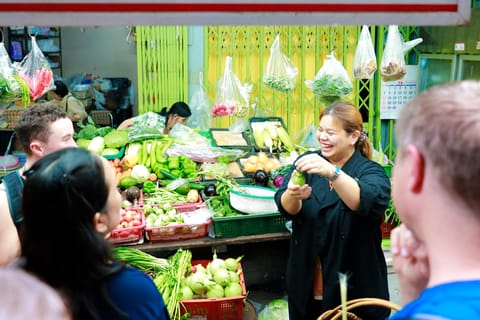
Take part in a fun cooking workshop in Bangkok and make four authentic Thai dishes. Learn how to carve a mango in the afternoon and evening classes...
4 hours
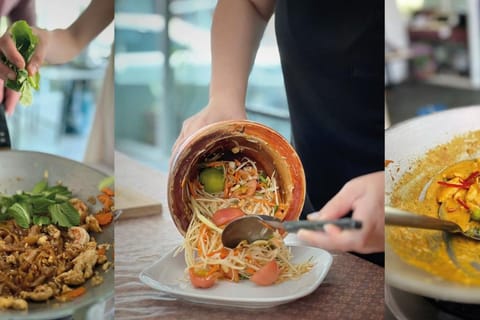
Master authentic Thai cuisine in Phuket’s top 100% Halal class. Guided by local experts with 15 years of experience, explore fresh market ingredients...

Guided tour · 3 hours
Experience this unique combination of history, culture, and gastronomy in Split with a fun and knowledgeable local guide by your side. All you need...
Common allergens: Shellfish (shrimp paste), Coconut, Fish sauce
Tip from the editors. Splitting the coconut cream first is what makes the curry fragrant; skipping it gives a flat, milky bowl. Look for tiny droplets of green oil on top.
Krua Apsorn Dinso is royal-influenced thai room from 2003 in the old town with bib gourmand stir-fries, the local lunch room missed by tour groups.
Why locals goRoyal-influenced Thai room from 2003 in the Old Town with Bib Gourmand stir-fries, the local lunch room missed by tour groups.
TipClosed Sundays. The Dinso original is better than the newer branches. Lunch through 19:30 only, last seating 19:00.
Paste in Bangkok's Gaysorn Village is Bongkoch 'Bee' Satongun's royal-Thai room, one Michelin star and a Veuve Clicquot Asia's Best Female Chef alumna.
OrderThe set tasting menu of royal-court dishes; ask about hidden vegetarian options not on the printed menu.
TipReservations on Chope at Gaysorn Village 3F; smart casual dress code, mall entry is on Ploenchit Road.
Saneh Jaan in Bangkok's Sindhorn Glasshouse runs royal-influenced central Thai cuisine, one Michelin star, with a smart-casual dining room and Sukhothai-era.
Book2 weeks ahead
TipLunch is the value play with set menus from 850 baht. Reservations on own site; smart casual dress code.
Saawaan in Bangkok's Sathorn is Chef Aom Pongmorn's nine-course modern Thai tasting menu room, a former Michelin-starred fine-diner (one star 2019 to 2025).
Book3 weeks ahead
TipClosed Mondays. The room seats around 30 across an open-kitchen counter; book three weeks out via Chope.
More cities are in research. Want gaeng keow wan (thai green curry) covered somewhere specific? Tell us where you want to eat.