
History
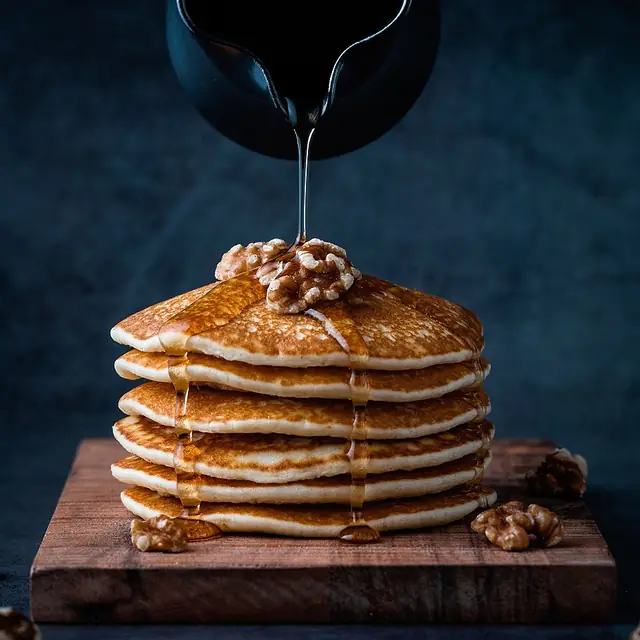
Dutch pannekoeken have been eaten since at least the 17th century, depicted in Golden Age paintings. Unlike French crepes, Dutch pancakes are made with whole milk and often buckwheat; they are cooked one at a time in a large pan and eaten as a full plate-sized portion. Utrecht cafes and bakeries serve pannekoeken as a brunch and lunch staple.
Book a food experience
Tours, tastings and classes that match this page, bookable on GetYourGuide.
Common allergens: Gluten, Dairy, Egg
Make it at home
Ingredients
- 200g plain flour
- 2 eggs
- 500ml whole milk
- Pinch of salt
- 30g unsalted butter for cooking
- For savoury: 4 slices Dutch ham, 80g grated aged gouda
- For sweet: 4 tbsp Dutch stroop (syrup) and icing sugar
Method
- Whisk flour, eggs, a pinch of salt and half the milk until smooth. Gradually add remaining milk to make a thin batter. Rest 15 minutes.
- Heat a 26cm frying pan over medium-high heat, add a small knob of butter.
- Pour a ladleful of batter (approx. 100ml) into the pan, swirl to cover the base completely.
- Cook 2 to 3 minutes until the edges are set and the underside is lightly golden; flip once and cook 1 minute more.
- For savoury: add ham and gouda when the pancake is nearly cooked and fold in half.
- For sweet: slide onto a plate, pour Dutch stroop over and dust with icing sugar.
Tip from the editors. Dutch pannekoeken should be very large and very thin; use a big pan and pour just enough batter to coat the base thinly.
Where to eat dutch pancakes (pannekoeken)
Dutch Pancakes (Pannekoeken) in Utrecht
Rocking Chair ★ 4.8
Utrecht's most popular weekend brunch near the city centre. Expansive Dutch and European spread: smoked salmon, Dutch cheeses, eggs and freshly baked bread.
OrderDutch cheese board with sourdough, smoked salmon and scrambled eggs
NODA Eetbar and Deli ★ 4.1
Top-floor eetbar in the restored 1920s post office on the Neude. Open mon-sat 09:00-18:00, sun 10:00-18:00. At Neude 11. Booking recommended.
OrderWorld-deli breakfast plate with a flat white and a view over the Oudegracht
De Bakkerswinkel ★ 4.5
Bakery brunch from the Dutch artisan bakery on the Wittevrouwenstraat. Homemade pastries, Dutch-style pancakes, sourdough toast and eggs on fresh-baked bread.
OrderDutch pancake with apple and cinnamon, and the house croissant
More cities are in research. Want dutch pancakes (pannekoeken) covered somewhere specific? Tell us where you want to eat.