

History
Barramundi (Lates calcarifer) takes its name from an Aboriginal language of the Rockhampton area in Queensland, meaning large-scaled river fish. In Australia it is caught with gillnets in the coastal and fresh waters of the tropical north, from the Ashburton River in Western Australia to the Noosa River in Queensland, and is also farmed; the Australian industry produces more than 9,000 tons a year. Wild fish are available from February to November, peaking from February to May. In Brisbane, Donna Chang barbecues a whole baby barramundi Chongqing style and Hello Please steams it with shiitake butter.
Book a food experience
Tours, tastings and classes from the cities on this page, bookable on GetYourGuide.

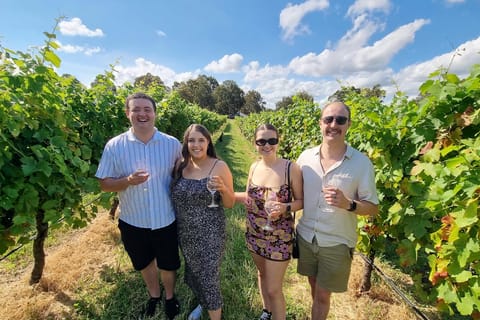
Common allergens: Fish
Make it at home
Ingredients
- 4 barramundi fillets (skin on)
- olive oil
- sea salt
- 1 lemon
- baby fennel
- watercress
Method
- Score the skin; pat dry and salt heavily.
- Sear skin-side down in hot oil 5 minutes until crisp.
- Flip 2 minutes for the flesh.
- Rest and serve with shaved fennel, watercress and lemon.
Tip from the editors. Leave the skin on; Sydney Fish Market suggests barbecuing it or baking it wrapped in paperbark or banana leaves to protect the delicate flesh.
Where to eat queensland barramundi
Queensland Barramundi in Brisbane
Donna Chang ★ 4.5
Donna Chang gives the centuries old traditions of Cantonese and Sichuan cuisines a modern approach, inside a heritage-listed former bank on George Street.
Hello Please ★ 4.3
Hello Please on Fish Lane, South Brisbane, serves modern Asian-Australian flavours across from QPAC and GoMA, with walk-ins and large groups welcome.
Stanley Restaurant ★ 4.6
Stanley is on the river at Howard Smith Wharves, where Head Chef Louis Tikaram's menu brings seafood, meat, vegetables and fruit to Cantonese flavours.
More cities are in research. Want queensland barramundi covered somewhere specific? Tell us where you want to eat.