Guided tour · 10 hours
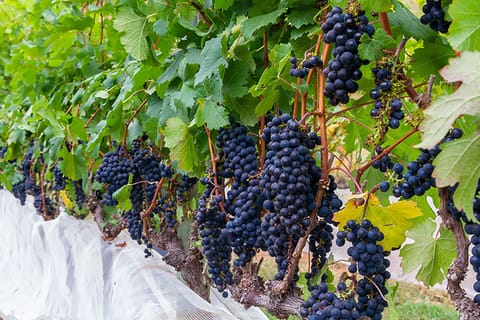
Rio de Janeiro: full-day tour of wineries and vineyards
Immerse yourself in Brazilian wine culture with a Rio winery tour, vineyard exploration, and guided wine tasting experiences.
from$253 Check dates
How Rio de Janeiro came to eat the way it does: the people, migrations and accidents that shaped the plate.
How Rio de Janeiro came to eat the way it does: the people, migrations and accidents that shaped the plate.
Founded in 1565 as the seat of a Portuguese captaincy, Rio de Janeiro became capital of the State of Brazil in 1763. Its cooking grew from Portuguese, Indigenous and African roots, and the Portuguese share still shows in the bacalhau and chicken dishes served daily in older restaurants.
The Portuguese court landed at the Largo do Paço on 8 March 1808 and made Rio the seat of the monarchy. On 13 June that year the prince regent, the future Dom João VI, ordered a garden by the Lagoa Rodrigo de Freitas to acclimatise nutmeg, cinnamon and black pepper from the East Indies: today's Jardim Botânico.
Café Lamas opened on the Largo do Machado on 4 April 1874, Jacob Wendling's Zum Schlauch, later Bar Luiz, began pouring ice-chilled chope in Centro in 1887, and the Portuguese immigrants Joaquim Borges de Meireles and Manuel José Lebrão founded Confeitaria Colombo in 1894.
In the Pequena África around the port, quituteiras, many of them African women from Bahia, sold sweets in the squares. Tia Ciata (1854 to 1924) worked as a doceira on the Rua da Carioca, always dressed as a baiana, and Pixinguinha, Donga and João da Baiana gathered at her house for rodas de batuque.
The diplomat Oswaldo Aranha lunched in the 1930s and 1940s at the Restaurante Cosmopolita in Lapa, a politicians' haunt nicknamed Senadinho, and the high-cut steak with fried garlic, batatas portuguesas, rice and egg farofa he ordered there took his name; Café Lamas, where he asked for the same plate, added it to its menu.
Migrants from the Northeast ran an open-air fair for years around the Campo de São Cristóvão, the largest gathering of Northeastern traditions outside the region. In 2003 the city moved it into the 1962 exhibition pavilion, now the Centro Luiz Gonzaga de Tradições Nordestinas.
Guided tour · 10 hours
Immerse yourself in Brazilian wine culture with a Rio winery tour, vineyard exploration, and guided wine tasting experiences.
Guided tour · 8 hours
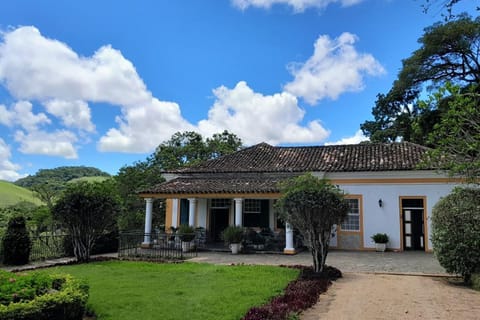
Discover Brazil’s coffee legacy in Rio’s Coffee Valley: colonial farms, expert-guided tours, tastings, and cultural immersion.
3 hours
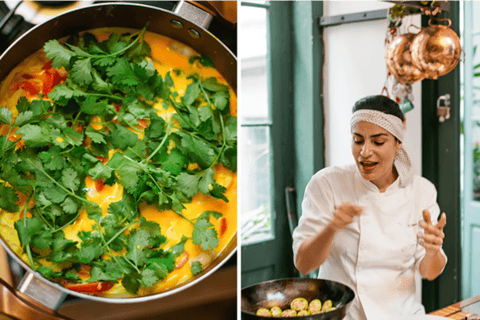
Enjoy a few hours of local Brazilian culture and join this fun hands-on cooking class. Learn about local cuisine and how to make traditional recipes. After, enjoy eati...