Chico's-Style Rolled Tacos in Tomato Broth
Corn tortillas rolled tightly around a seasoned ground or shredded beef filling, then submerged in a thin spiced tomato broth and topped generously.
Where: Chico's Tacos
The plates that define El Paso: what they are, and where to eat the canonical version.
El Paso's signature dishes are shaped by the Chihuahuan Desert, the Hatch chile fields 60 miles north, and nearly a century of border institution building. The city's most distinctive plate is the Chico's-style rolled taco: a corn tortilla rolled tight around shredded beef, submerged in a spiced tomato broth, and blanketed with shredded cheese. Brisket machaca is the other defining order, braised and shredded rather than dried, scrambled with eggs and green chile at breakfast. Green chile relleno here uses the long Hatch New Mexico chile, not Anaheim or poblano, and the difference is the defining note of the border palate. Below, these dishes are mapped to where to eat them and how they are prepared.
Corn tortillas rolled tightly around a seasoned ground or shredded beef filling, then submerged in a thin spiced tomato broth and topped generously.
Where: Chico's Tacos
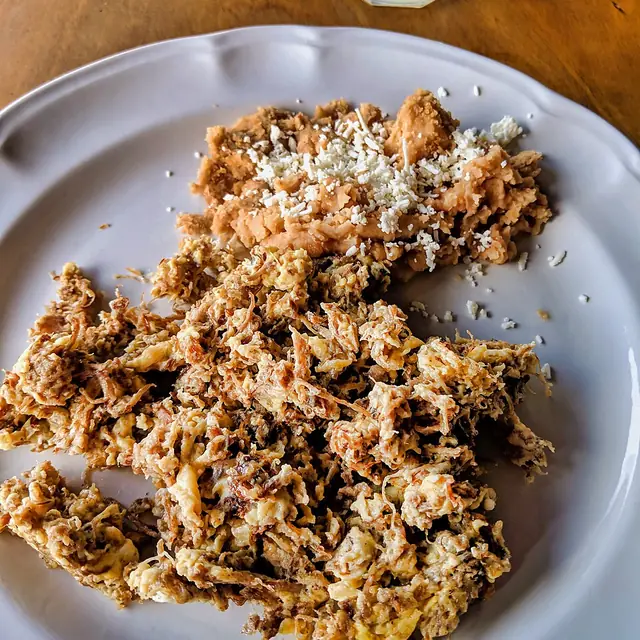
El Paso machaca uses brisket braised low-and-slow until fall-apart tender, then pulled into coarse shreds and either served dry or scrambled with eggs,.
Where: Kiki's Mexican Restaurant, L and J Cafe
A whole Hatch long green chile, roasted until charred, stuffed with a mix of Chihuahua or Monterey Jack cheese, then battered in egg white and fried until.
Where: L and J Cafe, Cafe Mayapan
Corn tortillas dipped in a brick-red chile de arbol sauce, rolled around a filling of ground beef, chicken, or cheese, then topped with more red sauce.
Where: L and J Cafe
Tacos made from masa ground daily from heirloom corn varieties including blue maize and landrace white corn, then pressed and cooked immediately.
Where: ELEMI
Premium beef cuts grilled over mesquite wood with a glaze made from agave syrup and morita chile, a smoked-dried jalapen with a fruity smoke character.
Where: Casa Pantera, Ambar Restaurante
Corn tortillas rolled tightly around a seasoned ground or shredded beef filling, then submerged in a thin spiced tomato broth and topped generously.
History: Invented by Joe Mora at Chico's Tacos on Alameda Avenue, opened July 4, 1953. The dish became the city's most emotionally charged food: El Paso natives abroad describe craving it specifically. The broth recipe is proprietary and has not been replicated with precision outside of Chico's.
Where to try it: Chico's Tacos
El Paso machaca uses brisket braised low-and-slow until fall-apart tender, then pulled into coarse shreds and either served dry or scrambled with eggs,.
History: El Paso machaca evolved from the Chihuahuan dried-beef tradition brought north by cattle ranchers in the 19th century. The brisket substitution is specific to Texas, where brisket became the canonical beef cut through BBQ culture. Kiki's Mexican Restaurant on North Piedras Street has been serving the city's most-cited version since the 1970s.
Where to try it: Kiki's Mexican Restaurant, L and J Cafe
A whole Hatch long green chile, roasted until charred, stuffed with a mix of Chihuahua or Monterey Jack cheese, then battered in egg white and fried until.
History: The chile relleno is a classic Mexican dish but El Paso's adaptation using Hatch New Mexico chiles is specific to the borderland. The proximity to the Hatch Valley (60 miles north) gave El Paso chefs access to the hottest, most flavourful chiles in the region. L and J Cafe has served a version of this dish since 1927.
Where to try it: L and J Cafe, Cafe Mayapan
Corn tortillas dipped in a brick-red chile de arbol sauce, rolled around a filling of ground beef, chicken, or cheese, then topped with more red sauce.
History: L and J Cafe has been serving this style of red enchiladas since 1927, and the restaurant's sauce recipe is considered the canonical border version. The chile de arbol connection reflects the Chihuahuan trade routes that brought specific dried chiles north from Mexico.
Where to try it: L and J Cafe
Tacos made from masa ground daily from heirloom corn varieties including blue maize and landrace white corn, then pressed and cooked immediately.
History: The practice of grinding whole corn (nixtamalized) for fresh masa largely disappeared from El Paso's restaurant scene in the mid-20th century as commercial masa harina became dominant. ELEMI's chef Emiliano Marentes revived the practice in the 2010s using heirloom corn varieties sourced from Mexican cooperatives, earning a James Beard Award semifinalist nomination in 2022.
Where to try it: ELEMI
Premium beef cuts grilled over mesquite wood with a glaze made from agave syrup and morita chile, a smoked-dried jalapen with a fruity smoke character.
History: Mesquite grilling in El Paso follows the northern Mexican asado tradition. The agave glaze application is contemporary, popularised by Casa Pantera and similar wood-fire restaurants in the 2010s as chefs recontextualised desert ingredients in a fine-dining framework.
Where to try it: Casa Pantera, Ambar Restaurante
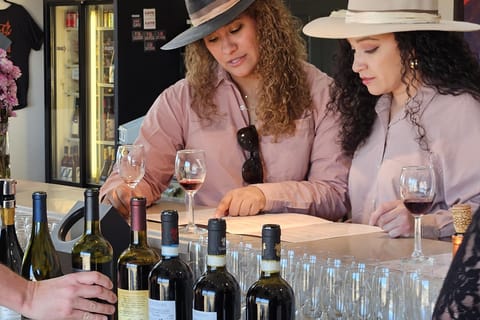
Day trip · 5 hours
Enjoy delicious wines in stunning vineyards without the worry of having to drive. Pick your own adventure on this pay-as-you-go tour to three boutique wineries of your choice.

Day trip · 5 hours
Enjoy a day of wine and beer tasting at 3 wineries and breweries in the Mesilla Valley American Viticultural Area (AVA). Choose from a variety of wineries and brewerie...
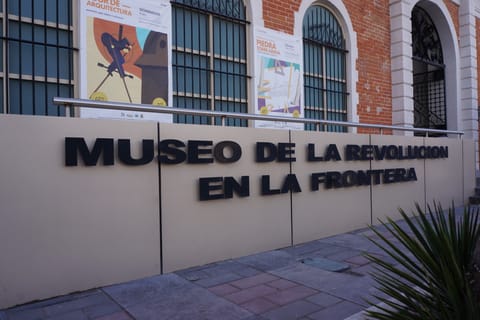
Day trip · 4 hours
Come and enjoy the culture, food, music, and shopping in Mexico. Meet your guide at the border of El Paso and Juarez so you can start exploring Mexico and its culture ...
The Chico's Tacos rolled taco in tomato broth is the most signature El Paso-specific dish. Brisket machaca is the second most famous.
El Paso uses Hatch New Mexico long green chile (NuMex varieties) rather than the Anaheim or poblano chiles found in most Tex-Mex. The Hatch chile is fruitier and hotter, and the connection to the Mesilla Valley is cultural and geographic.