How El Paso came to eat the way it does: the people, migrations and accidents that shaped the plate.
Key eras
Pueblo Native and Spanish Colonial (pre-1680 to 1848)
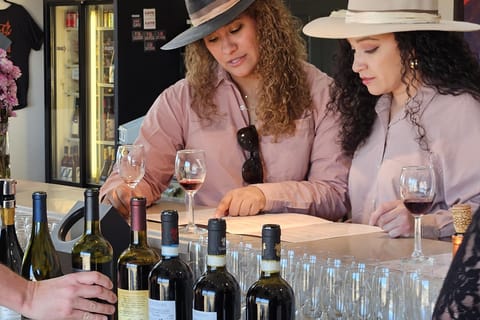
The Ysleta del Sur Pueblo established by the Tigua people after the 1680 Pueblo Revolt brought traditional corn cultivation, oven bread baking, and chile use to the El Paso Valley. Spanish colonial missions from 1659 onward introduced cattle ranching, wheat cultivation, and vineyard planting, creating the first wine region in what is now the United States around Socorro and Mesilla.
Post-Civil War ranch and rail era (1848-1920)
After the Treaty of Guadalupe Hidalgo in 1848, El Paso became a US border city. Cattle drives north from Chihuahua built a beef culture centred on brisket, dried machaca, dried chile, and trade-route-sourced spices. Cafe Central opened on Oregon Street in 1918.
20th-century border institution building (1920-1990)
L and J Cafe opened in 1927 on East Missouri Avenue, anchoring the Five Points neighbourhood and fixing the El Paso style of red enchiladas and chile de arbol salsa. Chico's Tacos opened in 1953 with its uniquely El Paso invention of rolled tacos submerged in tomato broth.
Contemporary revival (2010-present)
A wave of contemporary chefs reconnected El Paso to its Mexican roots with more depth and sourcing rigour. Casa Pantera brought wood-fired Oaxacan cooking to Five Points. Ambar Restaurante assembled one of North America's largest agave spirits collections at the renovated Plaza Hotel Pioneer Park.
Immigrant influences
- Chihuahuan Mexican: The largest and most defining influence on El Paso food: dried brisket machaca, chile-based salsas, corn and flour tortilla traditions, and the Chihuahuan interpretation of northern Mexican cooking with beef at its.
- Tigua Pueblo (Ysleta del Sur Pueblo): The Tigua people of Ysleta, the oldest continuously settled community in Texas, maintained traditional corn cultivation, oven bread baking in horno clay ovens, and chile cultivation alongside the missions from 1682.
- Lebanese and Syrian: A small but established Middle Eastern community arrived in the early 20th century, introducing falafel, hummus, and kebab traditions that persist in restaurants like Lamezze in the downtown core.
- German: German immigrant butchers in the late 19th century helped establish the sausage and smoked meat traditions that eventually merged with Mexican and Texan BBQ culture in the city.
Signature innovations
- Chico's Tacos-style rolled tacos: Invented by Joe Mora at Chico's Tacos on Alameda Avenue in 1953: rolled corn tacos submerged in seasoned tomato broth and topped with shredded cheese. A preparation unique to El Paso with no direct Mexican or Tex-Mex precedent.
- Brisket machaca: El Paso's interpretation of the Chihuahuan dried-beef tradition adapted brisket rather than round steak: the cut was braised low-and-slow, shredded, and either served dry or scrambled with eggs and green chile.
- Green chile relleno: While chile rellenos exist across Mexico, El Paso popularised the Hatch New Mexico long green chile version stuffed with cheese and battered in egg, served in red enchilada sauce in a style distinct from the Anaheim-chile versions common in California.
Book food experiences in El Paso
Day trip · 5 hours
Enjoy delicious wines in stunning vineyards without the worry of having to drive.
Pick your own adventure on this pay-as-you-go tour to three boutique wineries of your choice.
Day trip · 5 hours
Enjoy a day of wine and beer tasting at 3 wineries and breweries in the Mesilla Valley American Viticultural Area (AVA). Choose from a variety of wineries and brewerie...
Day trip · 4 hours
Come and enjoy the culture, food, music, and shopping in Mexico. Meet your guide at the border of El Paso and Juarez so you can start exploring Mexico and its culture ...
See all 6 bookable experiences in El Paso