How Denver came to eat the way it does: the people, migrations and accidents that shaped the plate.
Key eras
1858, the gold rush camp
Denver was founded in November 1858 as a gold-rush camp on Cherry Creek, named after Kansas Territory governor James Denver. The first restaurants were tent kitchens feeding miners; cattle drives from Texas to the Front Range began the city's beef-supply economy by the 1860s.
1880s, the railroad city
The Denver Pacific Railway arrived in 1870, the Denver and Rio Grande in 1871; both put the city on the national rail map. Hotel kitchens at the Brown Palace (1892) and the Oxford Hotel (1891) established the city's high-end dining tradition. Denver omelet evolved from western-sandwich railroad-camp cooking in this era.
1920s-1940s, the green chile era
Mexican-American families from Pueblo and northern New Mexico settled in Denver's North Side, Globeville and Auraria neighborhoods, bringing green chile traditions north. La Loma (1973), Sam's No. 3 (1927), Pete's Kitchen (1942) and Chubby's (1971) established the smothered green chile burrito as the Denver signature plate.
1988, the craft beer revolution
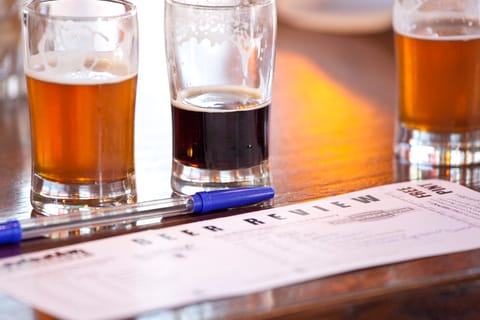
John Hickenlooper opened Wynkoop Brewing in 1988 in a LoDo warehouse, Colorado's first brewpub. The Great American Beer Festival had moved to the Colorado Convention Center in 1984. Together they launched a brewery boom that by 2026 makes Denver the densest craft beer city per-capita in the United States.
2010s, the James Beard era
Frasca Food and Wine in Boulder won the James Beard Outstanding Wine Program in 2013. Alex Seidel at Fruition won Best Chef Mountain in 2010. Bobby Stuckey opened Tavernetta at Union Station in 2017. Kelly Whitaker's The Wolf's Tailor and Beckon brought Michelin-style tasting menus to RiNo by 2018.
Immigrant influences
- Mexican (Pueblo and northern New Mexico): Smothered green chile burritos, chile rellenos, tacos and Mexican panaderias from the 1920s; Federal Boulevard became the Front Range's longest Mexican corridor between Los Angeles and Chicago.
- Italian (Northern Italian): Italian families settled north Denver, founding bakeries and groceries in Sunnyside and Highland. Modern Italian dining traces to Barolo Grill (1992), Spuntino, Tavernetta and Frasca's Friulian kitchen.
- Vietnamese: Refugees from the Vietnam War settled Federal Boulevard from the late 1970s. Pho counters, banh mi shops and Vietnamese groceries from Mississippi to Alameda built the Mile High Vietnamese corridor.
- Greek (Greek-American diners): Greek immigrants opened Pete's Kitchen (1942), Sam's No. 3 (1927) and a Front Range diner tradition that wove Greek omelets, gyros and Mediterranean plates into 24-hour Denver service.
- Japanese: Post-internment-camp Japanese-American families and 1970s sansei restaurateurs built the South Pearl Japanese cluster around Sushi Den (1984), Izakaya Den and OTOTO.
- Ethiopian and Eritrean: Refugees from East Africa concentrated in Aurora from the 1990s, building an Ethiopian-Eritrean restaurant corridor along East Colfax and South Havana with injera-and-stew kitchens.
Signature innovations
- The smothered green chile burrito (1920s, Mexican-American Denver kitchens)
- The Denver omelet (1880s, railroad-camp western sandwich into eggs)
- The American craft brewpub (Wynkoop, 1988)
- Modern Front Range farm-to-table (Fruition, 2007)
- Live-fire tasting menus on Larimer (Beckon, The Wolf's Tailor)
Food History in Denver, FAQ
When is the best time to eat in Denver?
Peak food season in Denver is year-round.
What time do people eat in Denver?
Local dining hours: lunch around 12:30, dinner from 19:30.
How does tipping work in Denver?
service is typically included; small extra is welcome but not expected.
What is the one dish to try in Denver?
Ask the next local you meet what they would order. Denver rewards trust.