
3 hours
Carmel-by-the-Sea: Classic Food Tour
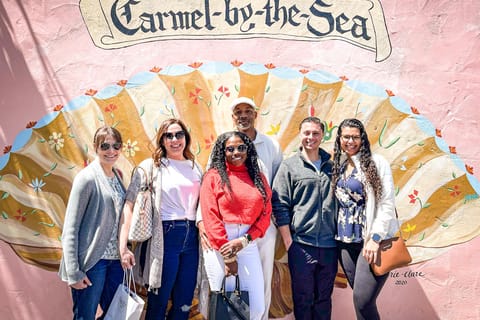
Taste local specialties with a knowledgeable local guide in Carmel-by-the-Sea. Explore charming streets, hear local stories, and enjoy five tastings with adult beverag...
from$139 Check dates
How Carmel-by-the-Sea came to eat the way it does: the people, migrations and accidents that shaped the plate.
How Carmel-by-the-Sea came to eat the way it does: the people, migrations and accidents that shaped the plate.
Carmel's food story starts at Mission San Carlos Borromeo, founded in 1771 above the Carmel River, where mission gardens, orchards and cattle fed the settlement. The surrounding valley stayed ranch and dairy country for a century, and the sheep meadow at today's Mission Ranch preserves a piece of that working landscape.
Carmel Bakery opened on Ocean Avenue in 1899, before the town incorporated, and still bakes in its original location. The artists' colony years added Hugh Comstock's fairy-tale cottages, one of them built in 1927; two English sisters opened it as a tea room in the early 1940s and named it the Tuck Box, fixing scones and marmalade into village routine.
Village Corner opened its Dolores Street corner in 1948 and Cottage of Sweets began hand-making fudge in 1959. Clint Eastwood founded the Hog's Breath Inn in 1970, was elected the village's mayor in 1986 and preserved Mission Ranch, tying Carmel's restaurant culture to its most famous resident for half a century.
Aubergine, the dining room inside the L'Auberge Carmel inn, earned a Michelin star in the first California guide in 2019 and a second star in the 2024 guide, which it still holds. Jonny and Monique Black opened Chez Noir in 2022 and won a star within months. With a dozen-plus wine tasting rooms in walking distance, one square mile now carries a density of recognition few villages match.
3 hours
Taste local specialties with a knowledgeable local guide in Carmel-by-the-Sea. Explore charming streets, hear local stories, and enjoy five tastings with adult beverag...
1.5 hours
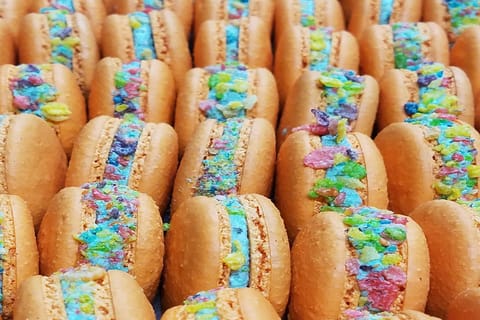
Learn to make macarons from scratch in a small, hands-on class in Carmel-by-the-Sea. Discover the secrets to creating the perfect macaron and take home a dozen macaron...

Viator · 3.2 h
Carmel-by-the-Sea's original and only locally owned food tour, rooted in this community since 2012. Discover the village's best-kept culinary secrets on this 3-hour gu...