Signature dishes
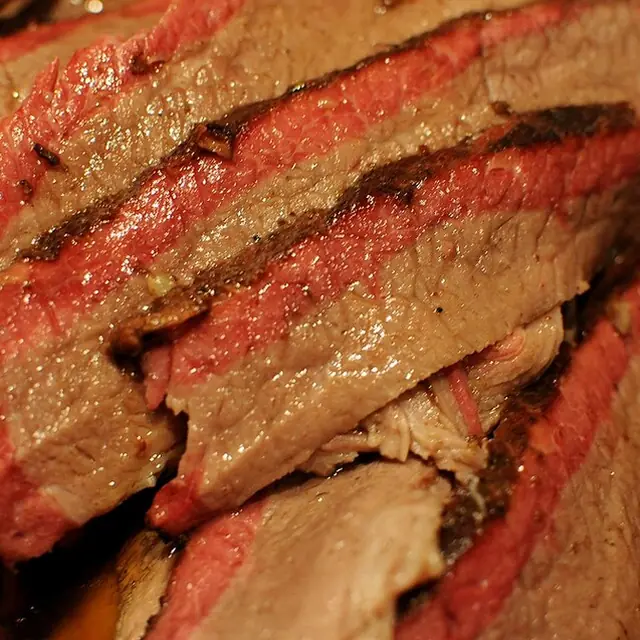
Austin's defining plate: a post-oak-smoked whole-packer brisket, sliced thick against the grain, served on butcher paper with white bread, pickles and onions.
Where: Franklin Barbecue, Terry Black's Barbecue, La Barbecue, InterStellar BBQ, Micklethwait Craft Meats, LeRoy and Lewis Barbecue, Distant Relatives
Price: $28-35 per pound
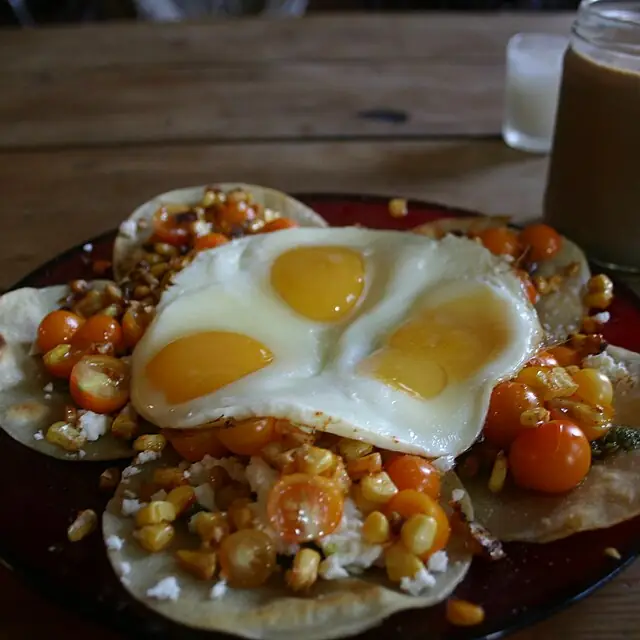
Austin's morning ritual: scrambled eggs, potatoes or bacon and beans on a fresh flour or corn tortilla, with salsa and queso added at the counter. Mass-produced and locally perfected.
Where: Veracruz All Natural, Cisco's Restaurant Bakery & Bar
Price: $3-5 per taco
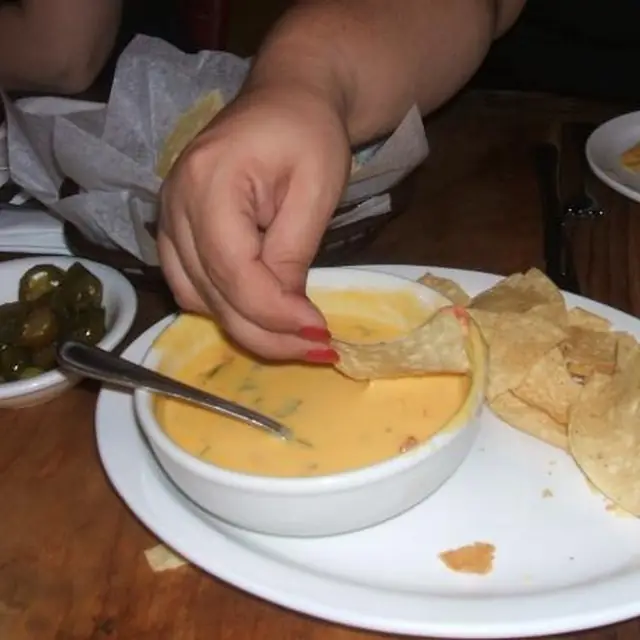
Austin's table opener: melted white American cheese, peppers, ground beef or chorizo, served warm with house tortilla chips. The Bob Armstrong dip at Matt's adds a guacamole and taco-meat shell.
Where: Matt's El Rancho, Joann's Fine Foods, Bouldin Creek Cafe
Price: $9-14
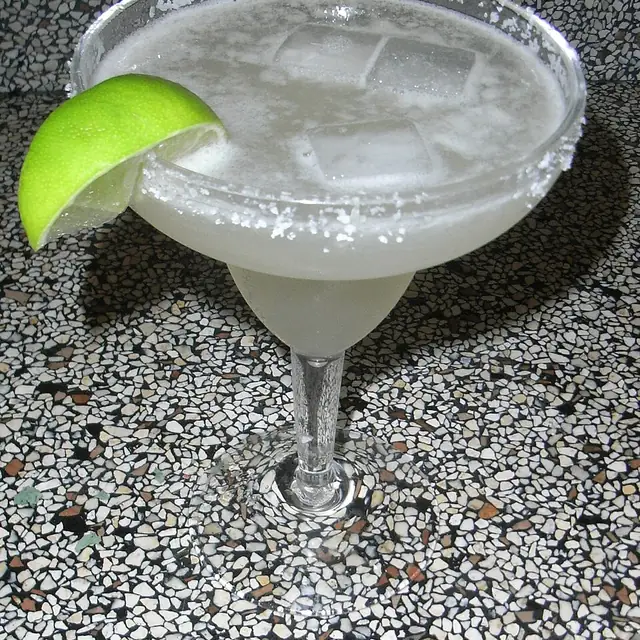
The blender invention that defined Tex-Mex bar service: tequila, lime, triple sec and ice churned to a frozen slush, with salt-rimmed glass. Matt's El Rancho runs the canonical Austin version.
Where: Matt's El Rancho, Joann's Fine Foods, Cisco's Restaurant Bakery & Bar
Price: $10-14
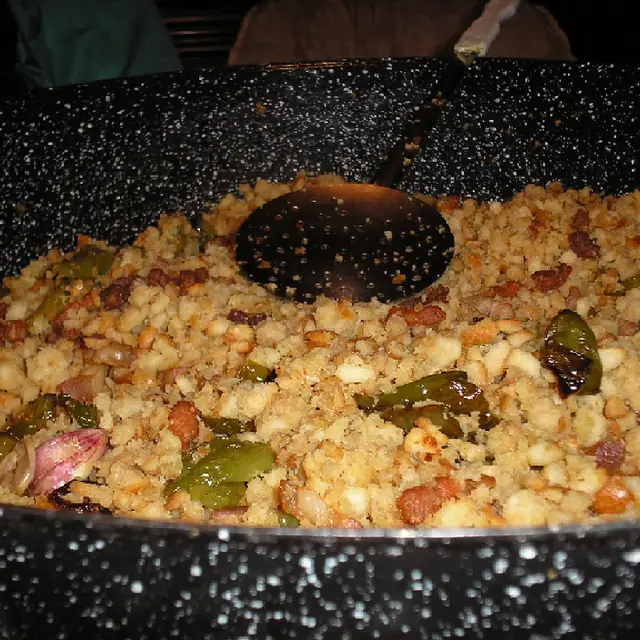
Tex-Mex scrambled eggs cooked with crispy tortilla chips, jalapenos, onions, tomatoes and cheese. Wrapped in a flour tortilla as a taco or served on a plate with beans and potatoes.
Where: Veracruz All Natural, Cisco's Restaurant Bakery & Bar, Bouldin Creek Cafe
Price: $10-14
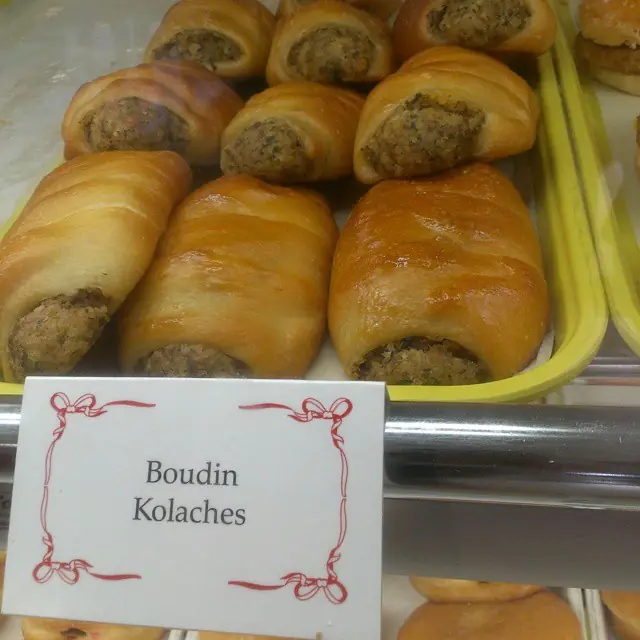
Czech fruit-filled or savoury-filled yeasted pastry buns, the central Texas Sunday-morning bake. Sweet kolaches carry apricot or poppyseed; savoury klobasniky carry sausage and cheese.
Where: Round Rock Donuts, Quack's 43rd Street Bakery, Bistro Vonish
Price: $2-3 per kolache
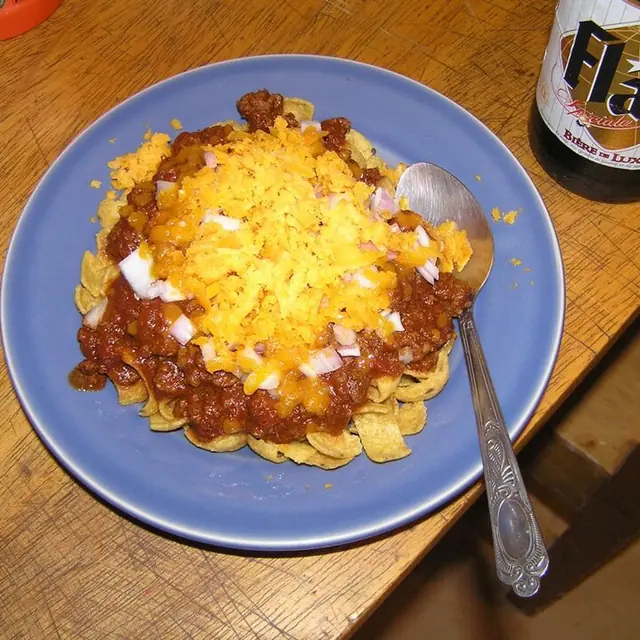
Texas chili and cheese ladled into a slit-open bag of Fritos corn chips, eaten with a plastic fork. Originated as a school-cafeteria and BBQ-stand snack and remains a state-fair staple.
Where: The Salt Lick BBQ (Driftwood), Micklethwait Craft Meats
Price: $7-10
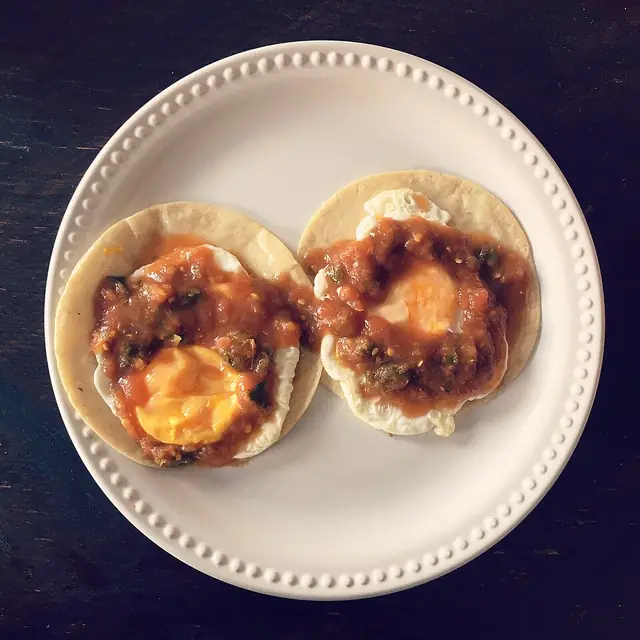
Fried eggs on a corn tortilla, smothered in ranchero salsa and topped with refried beans and crumbled queso fresco. Cisco's on East 6th made the Texas version famous in the 1950s.
Where: Cisco's Restaurant Bakery & Bar, El Naranjo, Fonda San Miguel
Price: $11-16
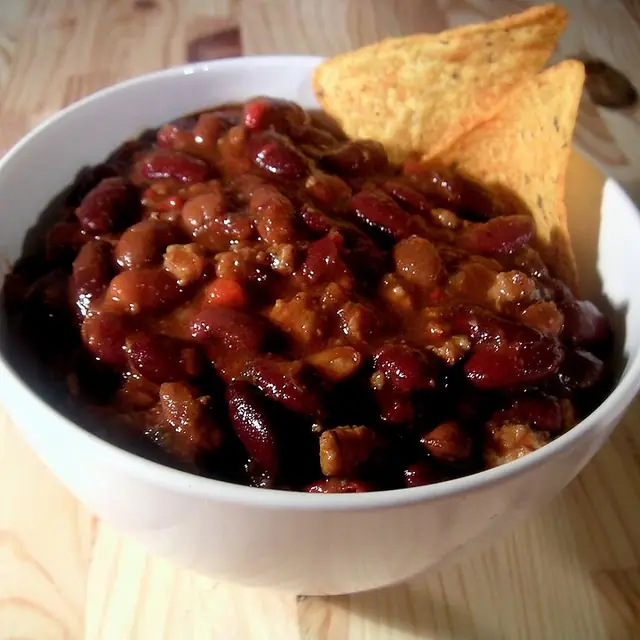
All-beef chili with no beans and no tomatoes, built on chunks of chuck and a dark chile paste of ancho, guajillo and pasilla chiles, beef stock, cumin and Mexican oregano. Texas state dish since 1977.
Where: Matt's El Rancho, Dai Due, Cisco's Restaurant Bakery & Bar
Price: $12-22
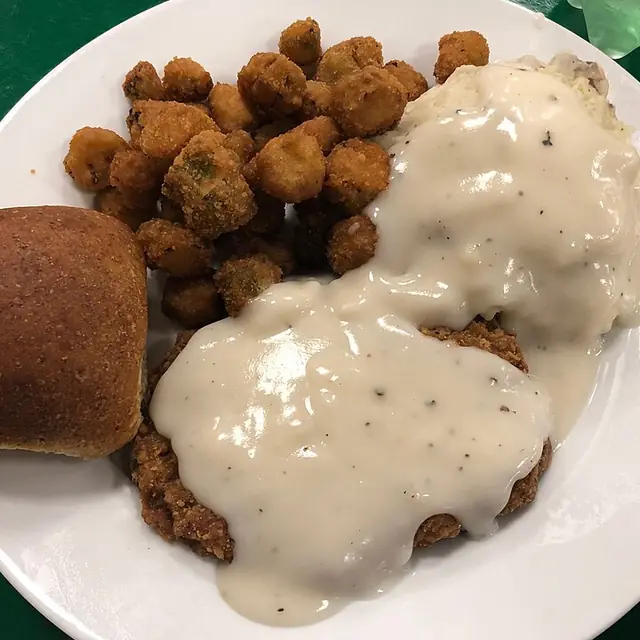
Tenderised cube steak dredged in seasoned flour and egg wash, deep-fried until shattering golden, then smothered in white pepper-cream gravy. Served with mashed potatoes, green beans and a buttered roll.
Where: Joann's Fine Foods, Magnolia Cafe (South Congress), Kerbey Lane Cafe (Central)
Price: $14-22
Coarse-ground beef and pork sausage, garlic-heavy and black-pepper-blasted, smoked over post oak alongside the brisket and sold by weight by the ring. The Central Texas BBQ joint side dish that travels home.
Where: Franklin Barbecue, La Barbecue, Micklethwait Craft Meats, InterStellar BBQ
Price: $12-22 per pound
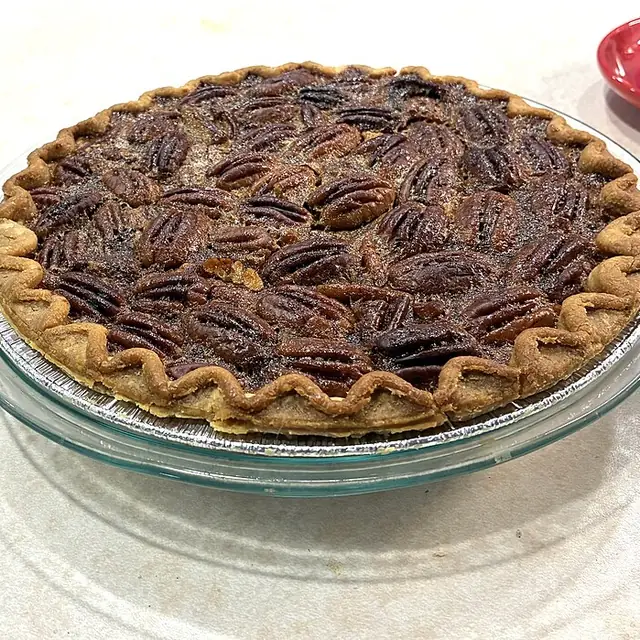
Buttery short crust holding a filling of pecan halves, dark corn syrup, bourbon and brown sugar, baked until the centre sets to a sticky, jewel-like custard. The Texas dessert, peaking October-December at pecan harvest.
Where: Joann's Fine Foods, Magnolia Cafe (South Congress), Cisco's Restaurant Bakery & Bar, Kerbey Lane Cafe (Central)
Price: $8-12 a slice
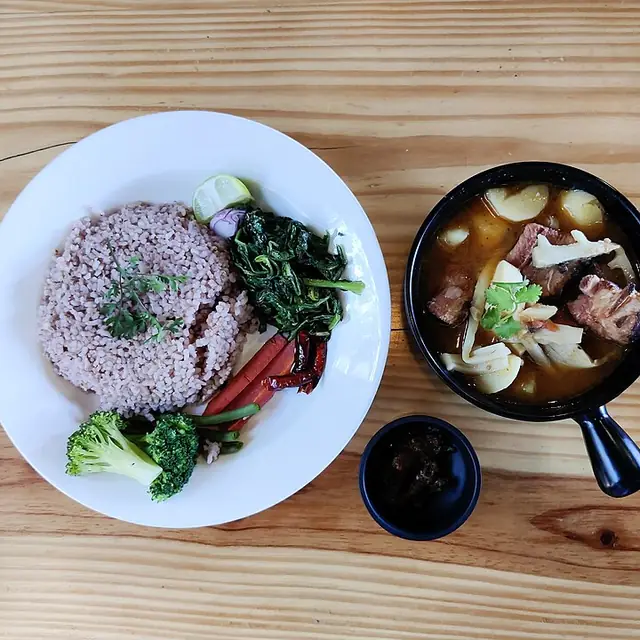
Central Texas pork ribs are post-oak-smoked St. Louis cut: peppered bark, pull-from-the-bone tender meat, no sauce. Sold by weight from butcher-paper-lined trays at the city's barbecue joints.
Where: Franklin Barbecue, Terry Black's Barbecue, La Barbecue, InterStellar BBQ
Price: $28-36 per pound
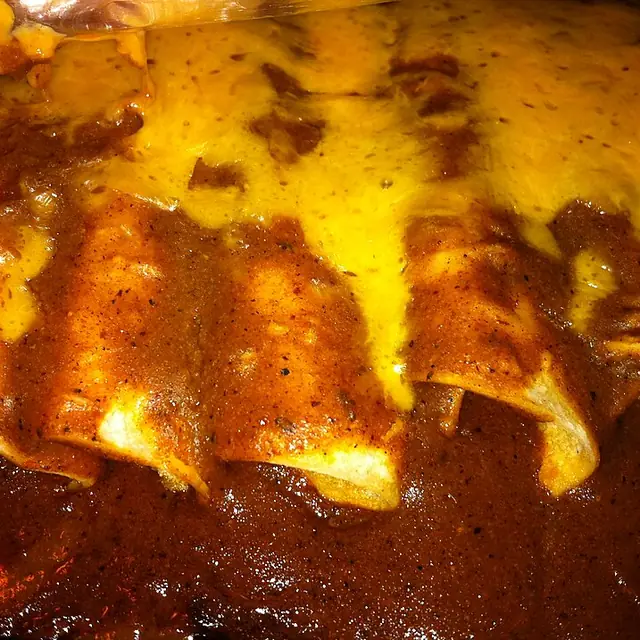
Austin's Tex-Mex enchiladas are corn tortillas rolled around shredded yellow cheese, blanketed in chili gravy or salsa roja, baked until the cheese pools through to the plate, served with rice and refried beans.
Where: Matt's El Rancho, Fonda San Miguel, El Naranjo, Pueblo Viejo (Riverside)
Price: $14-22
Smoked brisket
Austin's defining plate: a post-oak-smoked whole-packer brisket, sliced thick against the grain, served on butcher paper with white bread, pickles and onions.
History: Central Texas brisket is German and Czech immigrant butchers' adaptation of the meat counter, dating to the 1860s smokehouses of Lockhart and Elgin. The Lockhart trio (Kreuz, Smitty's, Black's) refined slow-smoked beef in the 1900s; Aaron Franklin opened Franklin Barbecue in Austin in 2009 and rebuilt the technique for a James Beard run. The post-oak twelve-hour cook with salt-and-pepper rub is the canonical version, served by weight on butcher paper. The 'brisket trinity' of Franklin, Terry Black's and La Barbecue runs the current city benchmark.
Where to try it: Franklin Barbecue, Terry Black's Barbecue, La Barbecue, InterStellar BBQ, Micklethwait Craft Meats, LeRoy and Lewis Barbecue, Distant Relatives
Breakfast tacos
Austin's morning ritual: scrambled eggs, potatoes or bacon and beans on a fresh flour or corn tortilla, with salsa and queso added at the counter. Mass-produced and locally perfected.
History: Breakfast tacos are a Tex-Mex tradition that crystallized in South Texas and central Texas in the early 20th century. The Austin version, on a homemade tortilla, took its current form in the 1990s and 2000s through Tacodeli (opened 1999 on Spyglass), Veracruz All Natural (founded 2008 as a fruit cart, taco truck by 2010) and Pueblo Viejo. The migas taco, eggs scrambled with crispy tortilla chips, pico, cheese and avocado, became Austin's signature; Alton Brown called Veracruz's migas 'the best breakfast taco I have ever had' in 2017.
Where to try it: Veracruz All Natural, Cisco's Restaurant Bakery & Bar
Watch out for: Gluten, Dairy, Eggs
Queso (chile con queso)
Austin's table opener: melted white American cheese, peppers, ground beef or chorizo, served warm with house tortilla chips. The Bob Armstrong dip at Matt's adds a guacamole and taco-meat shell.
History: Chile con queso is a Tex-Mex tradition dating to early 20th-century San Antonio, but the Austin version was codified at Matt's El Rancho on South Lamar. The Bob Armstrong dip was invented in 1973 when Matt Martinez Jr. made a custom plate for Texas Comptroller Bob Armstrong, building queso with a center of taco meat and guacamole. The dip became a permanent menu item by 1974 and remains the city's signature queso plate. Beyond Matt's, queso runs at Kerbey Lane, Magnolia and most Tex-Mex tables.
Where to try it: Matt's El Rancho, Joann's Fine Foods, Bouldin Creek Cafe
Watch out for: Dairy, Gluten
Frozen margarita
The blender invention that defined Tex-Mex bar service: tequila, lime, triple sec and ice churned to a frozen slush, with salt-rimmed glass. Matt's El Rancho runs the canonical Austin version.
History: The frozen margarita machine was invented in 1971 by Mariano Martinez at Mariano's Mexican Cuisine in Dallas, adapting a soft-serve ice cream machine to churn tequila slush. The technology spread fast through Texas; Matt's El Rancho in Austin had a machine running by 1972. The Austin version uses Sauza Gold or 1800 reposado, lime juice, triple sec and simple syrup churned at sub-freezing temperatures. Joann's and Curra's run avocado margarita variants; the original frozen version remains a Travis County summer rite.
Where to try it: Matt's El Rancho, Joann's Fine Foods, Cisco's Restaurant Bakery & Bar
Migas
Tex-Mex scrambled eggs cooked with crispy tortilla chips, jalapenos, onions, tomatoes and cheese. Wrapped in a flour tortilla as a taco or served on a plate with beans and potatoes.
History: Migas in central Texas is a working-kitchen rescue of stale tortillas, dating to early 20th-century Mexican-American homes. The Austin restaurant version was canonised at Cisco's on East 6th Street in the 1950s and Magnolia Cafe in the 1980s. Veracruz All Natural's migas taco, served on a homemade corn tortilla, became the national reference plate; Food Network named the Veracruz migas one of the country's five best tacos in 2016. The dish is now Austin's defining breakfast plate.
Where to try it: Veracruz All Natural, Cisco's Restaurant Bakery & Bar, Bouldin Creek Cafe
Watch out for: Eggs, Dairy, Gluten
Kolaches
Czech fruit-filled or savoury-filled yeasted pastry buns, the central Texas Sunday-morning bake. Sweet kolaches carry apricot or poppyseed; savoury klobasniky carry sausage and cheese.
History: Kolaches arrived in central Texas with Czech and Moravian immigrants who settled in towns like West, Caldwell and Round Rock from the 1850s onward. The sweet version uses a rich yeasted dough rounded with a thumbprint of fruit filling; the savoury klobasnek, a Texas innovation, wraps sausage in the same dough. Round Rock Donuts and the Round Rock and Caldwell area shops run the canonical Texas-Czech bakeries. The Austin city version threads into breakfast-taco and BBQ culture; kolaches and breakfast tacos are equally Texan morning options here.
Where to try it: Round Rock Donuts, Quack's 43rd Street Bakery, Bistro Vonish
Watch out for: Gluten, Eggs, Dairy
Frito pie
Texas chili and cheese ladled into a slit-open bag of Fritos corn chips, eaten with a plastic fork. Originated as a school-cafeteria and BBQ-stand snack and remains a state-fair staple.
History: Frito pie was invented in Texas in the 1930s after Fritos hit the market in 1932 from San Antonio's Frito Company. The 'pie in a bag' format came from the Texas State Fair concession stands in the 1950s. The Austin version takes a small bag of Fritos, slits the side, ladles in Texas-style chili (no beans for purists), tops with shredded cheddar and onions, and hands it back. The Salt Lick, Micklethwait Craft Meats and several BBQ stops keep it on the snack menu; some Austin Tex-Mex rooms run a queso-and-chili variant.
Where to try it: The Salt Lick BBQ (Driftwood), Micklethwait Craft Meats
Watch out for: Dairy
Huevos rancheros
Fried eggs on a corn tortilla, smothered in ranchero salsa and topped with refried beans and crumbled queso fresco. Cisco's on East 6th made the Texas version famous in the 1950s.
History: Huevos rancheros is a Mexican breakfast dating to 19th-century ranches in central Mexico, brought across the border with Mexican-American kitchens. The Austin version was canonised at Cisco's on East 6th Street, where founder Rudy Cisneros served politicians and constituents the dish from 1948 onward. Cisco's is credited with making huevos rancheros famous in Austin and across central Texas. The classic plate is two fried eggs on warm corn tortillas, with ranchero salsa, refried beans and avocado.
Where to try it: Cisco's Restaurant Bakery & Bar, El Naranjo, Fonda San Miguel
Watch out for: Eggs, Dairy
Texas Chili Con Carne
All-beef chili with no beans and no tomatoes, built on chunks of chuck and a dark chile paste of ancho, guajillo and pasilla chiles, beef stock, cumin and Mexican oregano. Texas state dish since 1977.
History: Chili con carne traces to the San Antonio chili queens of the 1880s, who set up open-air braziers in Military Plaza serving meaty stew to railroad workers. Texas codified the no-beans rule in 1977 when chili was named the state dish. Austin's chili cook-offs and the Original Terlingua International Championship 4 hours west established the modern competition recipe.
Where to try it: Matt's El Rancho, Dai Due, Cisco's Restaurant Bakery & Bar
Chicken-Fried Steak
Tenderised cube steak dredged in seasoned flour and egg wash, deep-fried until shattering golden, then smothered in white pepper-cream gravy. Served with mashed potatoes, green beans and a buttered roll.
History: Chicken-fried steak (CFS) emerged in the 1920s in Texan Hill Country diners as a cheap-cut alternative to schnitzel, brought by German and Czech immigrant communities. It became the unofficial dish of Texas working lunch by the 1950s. Threadgill's (closed 2018) was the canonical Austin version for decades; Joann's Fine Foods and Magnolia Cafe carry the contemporary torch.
Where to try it: Joann's Fine Foods, Magnolia Cafe (South Congress), Kerbey Lane Cafe (Central)
Watch out for: Gluten, Egg, Dairy
Lockhart-Style Sausage
Coarse-ground beef and pork sausage, garlic-heavy and black-pepper-blasted, smoked over post oak alongside the brisket and sold by weight by the ring. The Central Texas BBQ joint side dish that travels home.
History: Lockhart-style smoked sausage traces to the Czech and German immigrant meat markets that anchored Central Texas BBQ from the 1880s onwards. Kreuz Market, Black's and Smitty's (all 50km from Austin in Lockhart) defined the style. Austin's modern BBQ wave, from Franklin to La Barbecue and Micklethwait, all run a defensible ring sausage in the same tradition.
Where to try it: Franklin Barbecue, La Barbecue, Micklethwait Craft Meats, InterStellar BBQ
Texas Pecan Pie
Buttery short crust holding a filling of pecan halves, dark corn syrup, bourbon and brown sugar, baked until the centre sets to a sticky, jewel-like custard. The Texas dessert, peaking October-December at pecan harvest.
History: Pecan pie became a Texas staple after the 1930s when the state's pecan industry boomed (Texas designated the pecan its state tree in 1919). The corn-syrup version popularised by Karo Syrup advertising in the 1930s is the dominant form; the bourbon-and-brown-sugar variant is the Austin gourmet standard. Joann's Fine Foods, Cisco's and Magnolia Cafe carry it.
Where to try it: Joann's Fine Foods, Magnolia Cafe (South Congress), Cisco's Restaurant Bakery & Bar, Kerbey Lane Cafe (Central)
Watch out for: Gluten, Egg, Dairy, Tree nuts
Smoked pork ribs
Central Texas pork ribs are post-oak-smoked St. Louis cut: peppered bark, pull-from-the-bone tender meat, no sauce. Sold by weight from butcher-paper-lined trays at the city's barbecue joints.
History: Texas barbecue split along regional lines in the late 19th century: Central Texas (German and Czech butcher influence around Lockhart and Taylor) pioneered the salt-and-pepper-rubbed post-oak smoke that still defines Austin barbecue. Aaron Franklin opened Franklin Barbecue in 2009 and rebuilt the city's reputation; pork ribs sit alongside brisket on every Franklin tray. Terry Black's, La Barbecue and InterStellar BBQ all run the same low-and-slow post-oak smoke. Ribs are sold by the pound from butcher-paper-lined trays; the rule is no sauce, just pickles and white bread on the side.
Where to try it: Franklin Barbecue, Terry Black's Barbecue, La Barbecue, InterStellar BBQ
Tex-Mex cheese enchiladas
Austin's Tex-Mex enchiladas are corn tortillas rolled around shredded yellow cheese, blanketed in chili gravy or salsa roja, baked until the cheese pools through to the plate, served with rice and refried beans.
History: Tex-Mex took shape in San Antonio's chili queens of the 1880s and spread to Austin via mid-20th-century combination plates. The chili-gravy enchilada (no tomato in the sauce, just chili powder, cumin and beef stock) is a distinctly Texan creation that Mexican-Mexican kitchens never plated. Matt's El Rancho (founded 1952 in downtown Austin; moved to South Lamar in 1986) is the canonical Austin Tex-Mex room; Fonda San Miguel runs an interior-Mexican refinement of the form on North Loop; El Naranjo plates a regional Oaxacan version. The combination plate (two enchiladas, rice, refried beans, guacamole) is the Austin lunchtime baseline.
Where to try it: Matt's El Rancho, Fonda San Miguel, El Naranjo, Pueblo Viejo (Riverside)
Watch out for: Dairy, Gluten