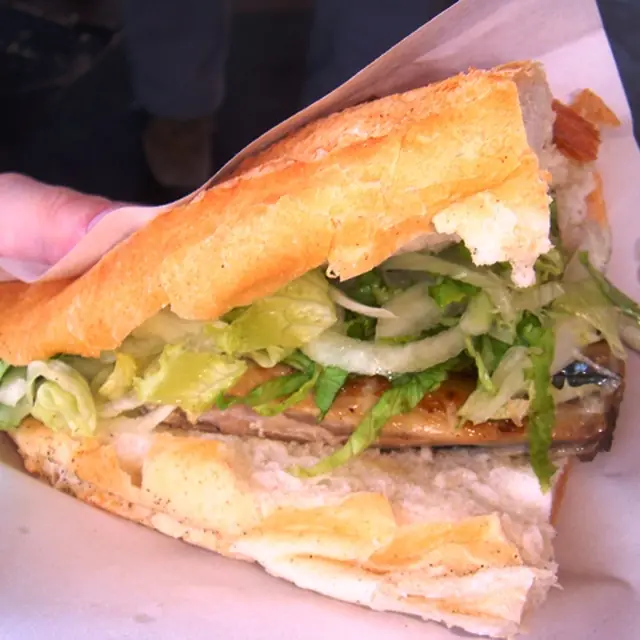
Balık ekmek (fish sandwich) ★ 4.7
A grilled mackerel fillet stuffed into a half-loaf of bread with raw onion, lettuce and a heavy squeeze of lemon. Istanbul's signature street food, eaten standing up.
Where: Tarihi Eminönü Balık Ekmek
Price: ₺80-120
The plates that define Istanbul: what they are, and where to eat the canonical version.
The plates that define Istanbul. what they are, where they came from, and where to eat the canonical version.
A grilled mackerel fillet stuffed into a half-loaf of bread with raw onion, lettuce and a heavy squeeze of lemon. Istanbul's signature street food, eaten standing up.
Where: Tarihi Eminönü Balık Ekmek
Price: ₺80-120
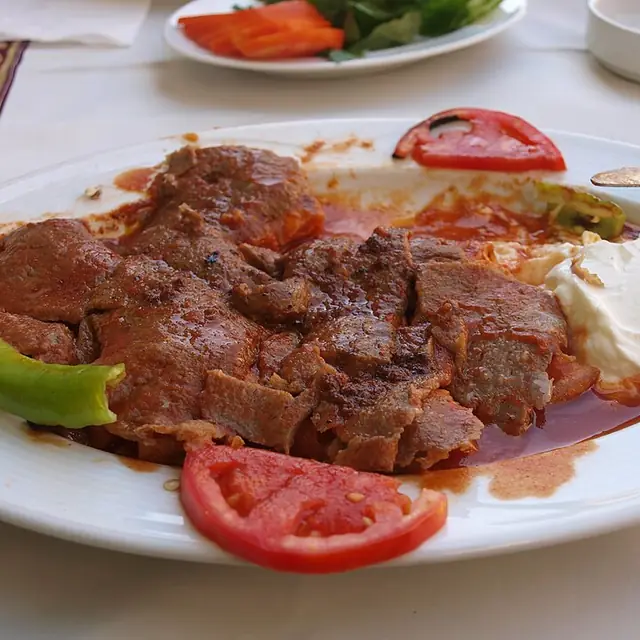
Thinly sliced lamb döner served over chopped pide bread, with melted butter, hot tomato sauce and a side of yogurt. Bursa's dish, eaten everywhere in Istanbul.
Where: Develi1912 Samatya
Price: ₺300-450
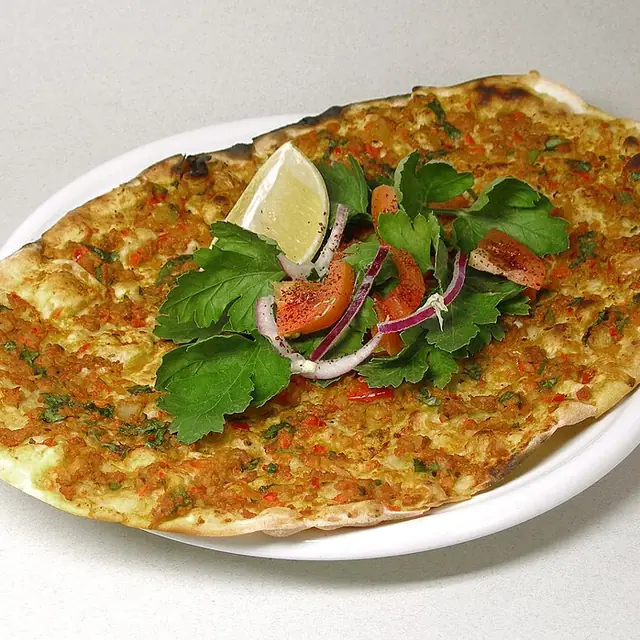
A wafer-thin disc of dough topped with spiced minced lamb, onion, parsley and tomato, baked seconds in a wood oven and eaten rolled around lemon and salad.
Where: Borsam Taşfırın, Çiya Kebap
Price: ₺60-120
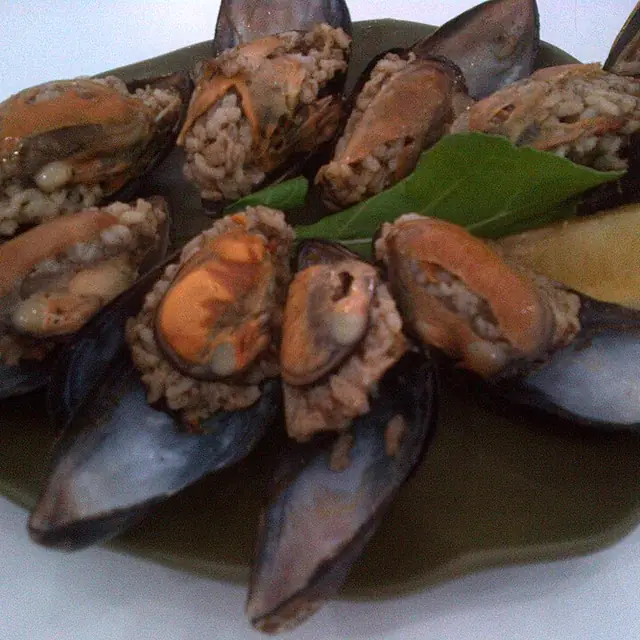
Black-shell mussels stuffed with spiced rice, currants, pine nuts and cinnamon, served from street trays with a wedge of lemon for one lira a piece.
Where: Şampiyon Kokoreç
Price: ₺15-25 per shell
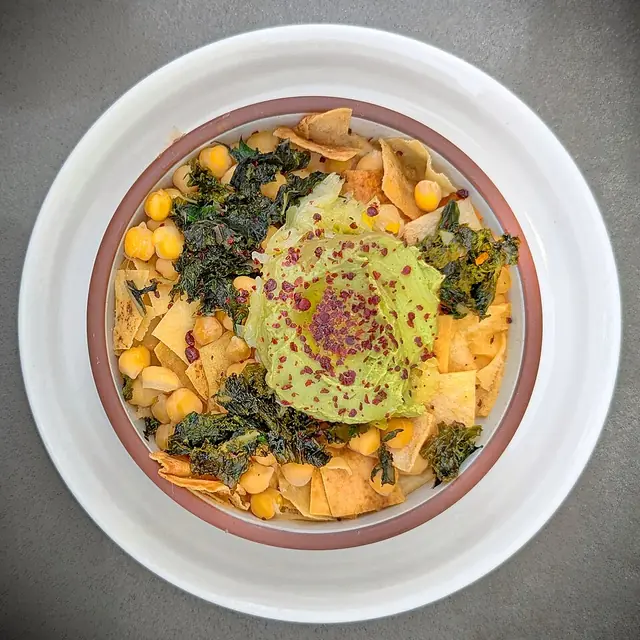
A sprawling table of cheeses, olives, eggs, honey, kaymak, jams, sucuk, simit and tea. The defining Turkish weekend ritual, served all morning across Istanbul's Bosphorus and Beyoğlu neighbourhoods.
Where: Van Kahvaltı Evi, Privato Cafe, Sade Kahve
Price: ₺400-700 per head
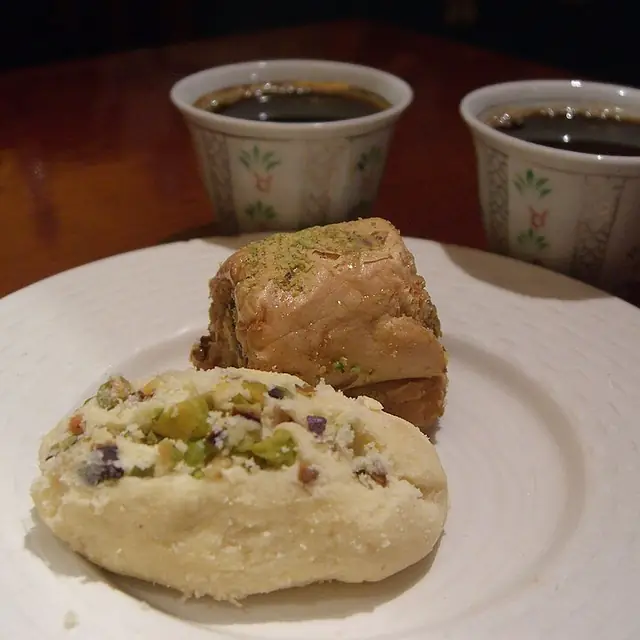
Sheets of hand-rolled phyllo layered with crushed Antep pistachios, baked golden, then drenched in clear sugar syrup and cut into diamonds. Karaköy Güllüoğlu is the Istanbul reference counter.
Where: Karaköy Güllüoğlu, Hafız Mustafa 1864
Price: ₺200-450 per 250g
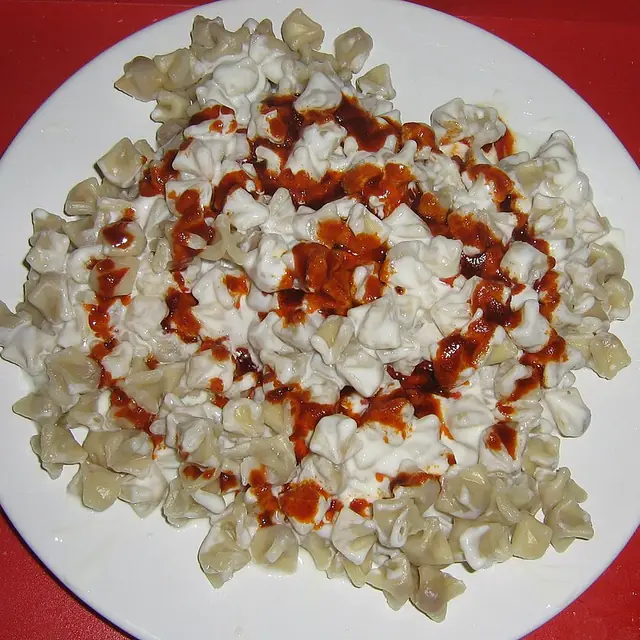
Tiny meat-filled dumplings the size of a thumbprint, boiled, served under garlic yogurt and finished with melted butter and Aleppo pepper oil.
Where: Çiya Sofrası, Yeni Lokanta
Price: ₺250-400
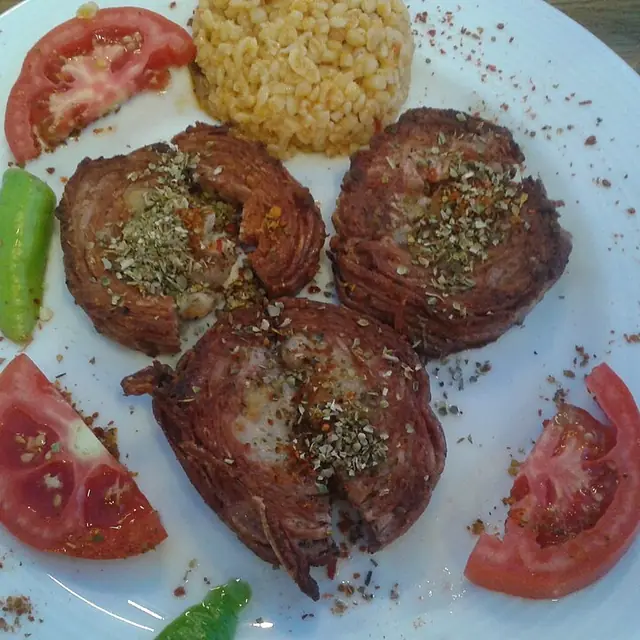
Lamb intestine wrapped around skewered offal (heart, lung, kidney, sweetbread), grilled over charcoal until crisp outside, chopped on a hot board with oregano, tomato and chilli, stuffed into bread.
Where: Şampiyon Kokoreç, Karaköy Lokantası, Asmalı Cavit
Price: ₺120-200
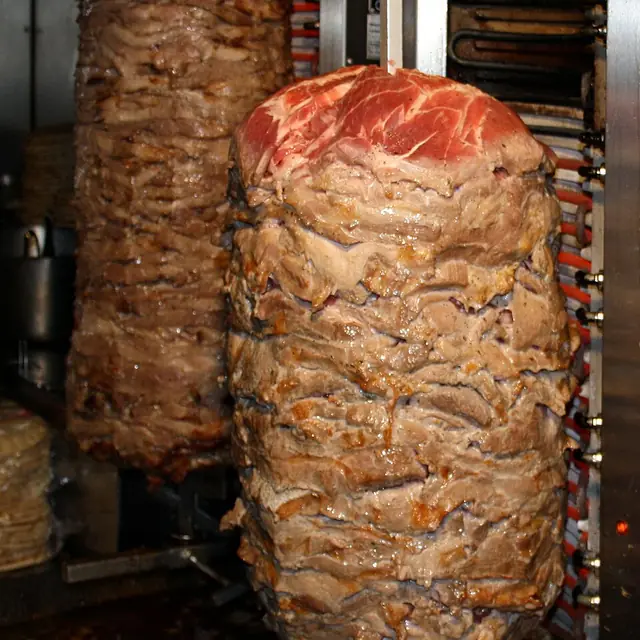
Marinated lamb or beef layered onto a vertical spit, slow-cooked beside charcoal until the outer layer crisps, sliced thin into bread or onto rice with yoghurt and grilled tomato.
Where: Tarihi Sultanahmet Köftecisi, Çiya Kebap, Karaköy Lokantası
Price: ₺150-280
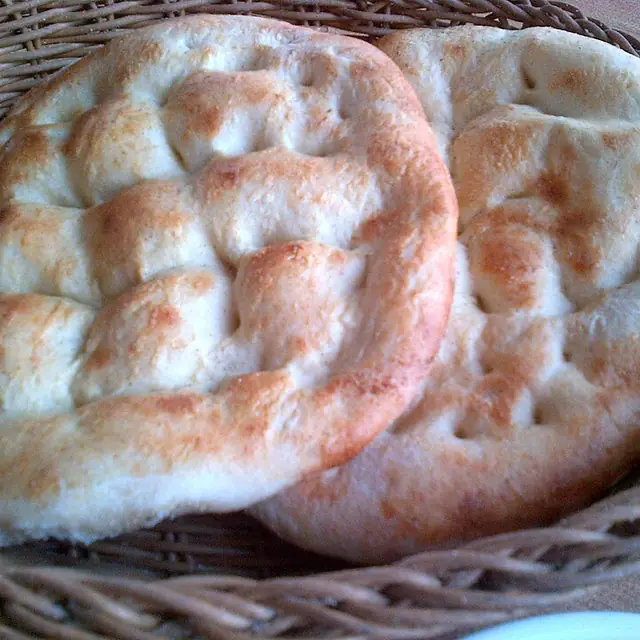
Turkish boat-shaped flatbread with toppings of minced lamb, sucuk and egg, pastırma and cheese, or spinach, baked in a wood-fired oven until the dough crisps and the topping bubbles.
Where: Tarihi Hocapaşa Pidecisi, Borsam Taşfırın, Borsam Taşfırın Kadıköy
Price: ₺140-260
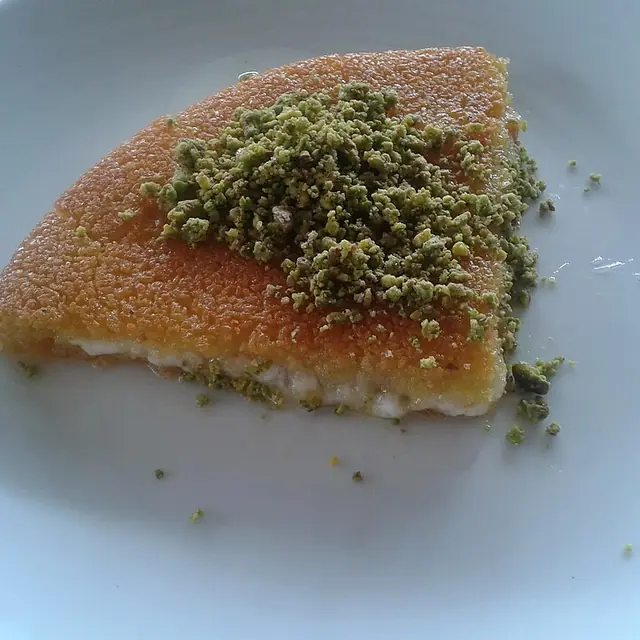
Shredded kataifi pastry layered over melted Hatay cheese, baked golden in a copper pan, soaked in lemony sugar syrup, served hot with crushed pistachio and clotted cream.
Where: Hafız Mustafa 1864, Saray Muhallebicisi, Karaköy Güllüoğlu
Price: ₺180-320
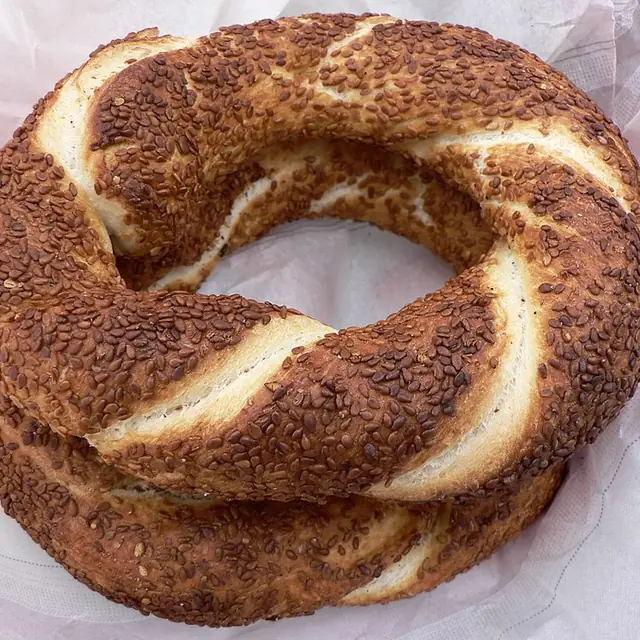
Istanbul's circular sesame-encrusted bread ring, dipped in pekmez (grape molasses) before being baked to a deep crust. Sold from vendor poles across the city; the universal Istanbul breakfast snack with cay.
Where: Borsam Taşfırın, Borsam Taşfırın Kadıköy, Tarihi Hocapaşa Pidecisi, Karaköy Lokantası
Price: ₺15-30 each
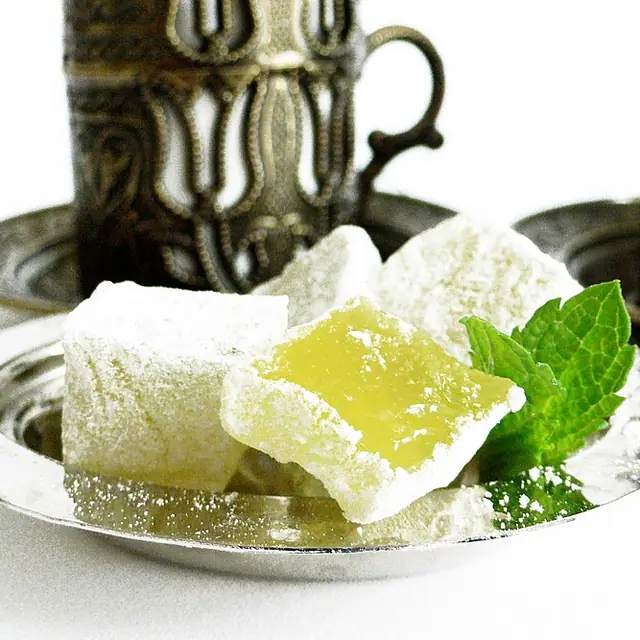
Soft cubes of rose, mastic or pistachio-set sugar gel, dusted in powdered sugar or starch. Cut from large slabs at counter, sold by weight, eaten with Turkish coffee.
Where: Ali Muhiddin Hacı Bekir, Hafız Mustafa 1864, Karaköy Güllüoğlu
Price: ₺200-450 per 250g
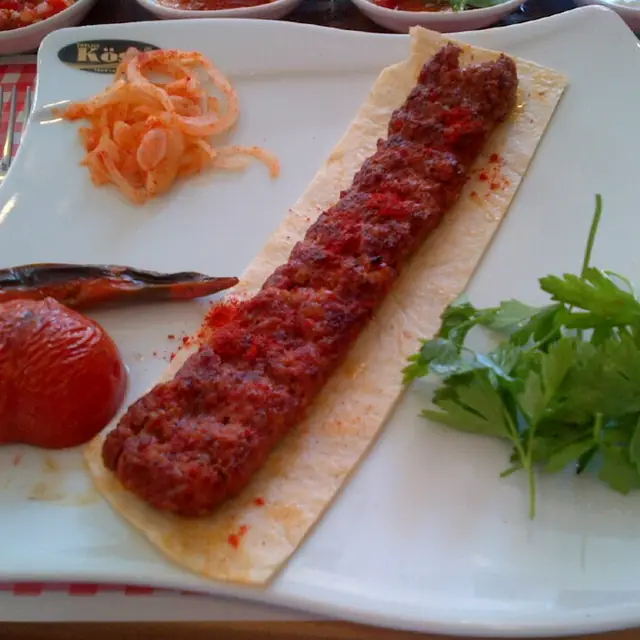
Long flat skewer of hand-minced lamb, mutton tail-fat and red pepper, grilled over charcoal and served on lavash with grilled tomato, sumac onion and ayran.
Where: Develi1912 Samatya, Antiochia, Siirt Şeref Büryan
Price: ₺350-550
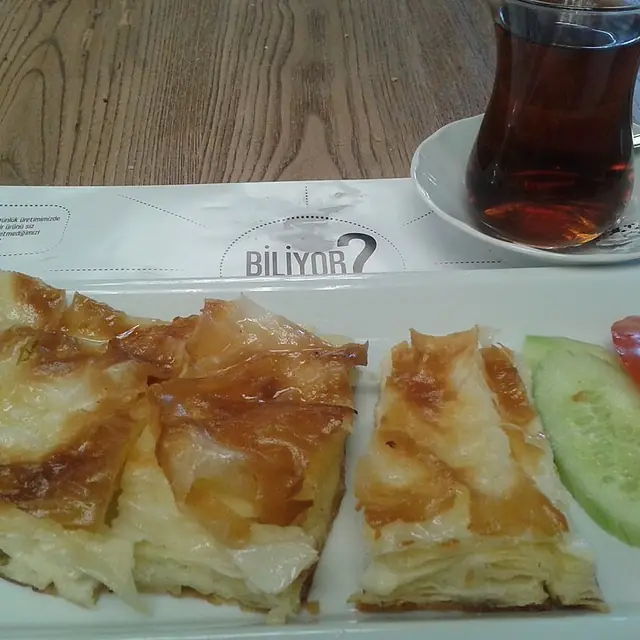
Layered sheets of paper-thin yufka, briefly boiled then baked with butter and a salty white-cheese-and-parsley filling. Soft, almost lasagne-like, sold by the slab at bakeries.
Where: Beyaz Fırın Etiler, Beyaz Fırın Brasserie, Van Kahvaltı Evi
Price: ₺120-220 per slice
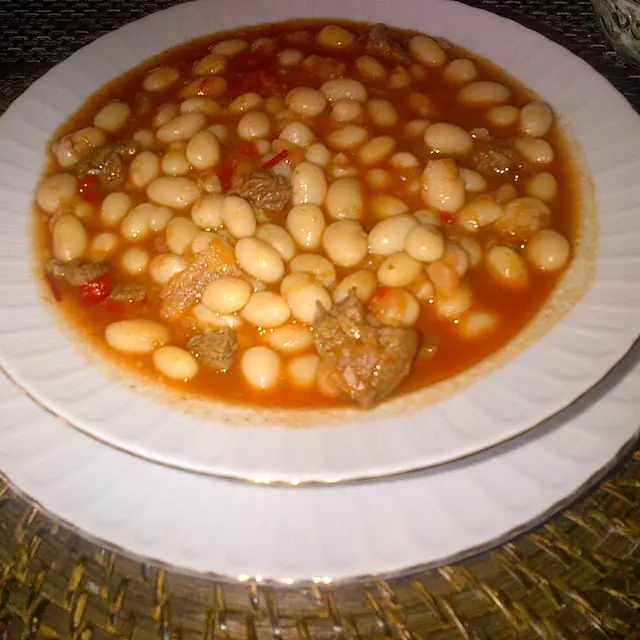
Slow-stewed dried white beans in a tomato and red-pepper broth, often with chunks of lamb or pastirma. Served over pilav with pickles, the Turkish home-cooking comfort dish.
Where: Karaköy Lokantası, Hayvore, Tarihi Hocapaşa Pidecisi
Price: ₺180-260
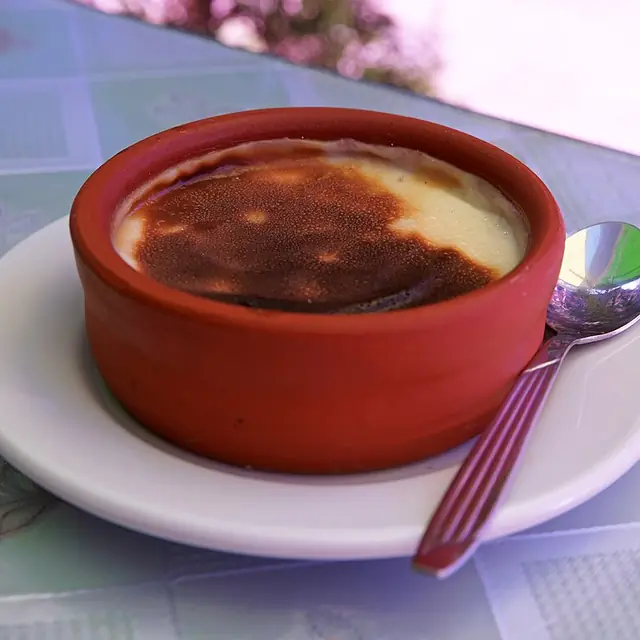
Creamy short-grain rice pudding finished under a hot grill so the top sets into a scorched, freckled skin. Served chilled in shallow clay bowls with a sprinkle of cinnamon.
Where: Saray Muhallebicisi, Karaköy Lokantası, Hayvore
Price: ₺90-150
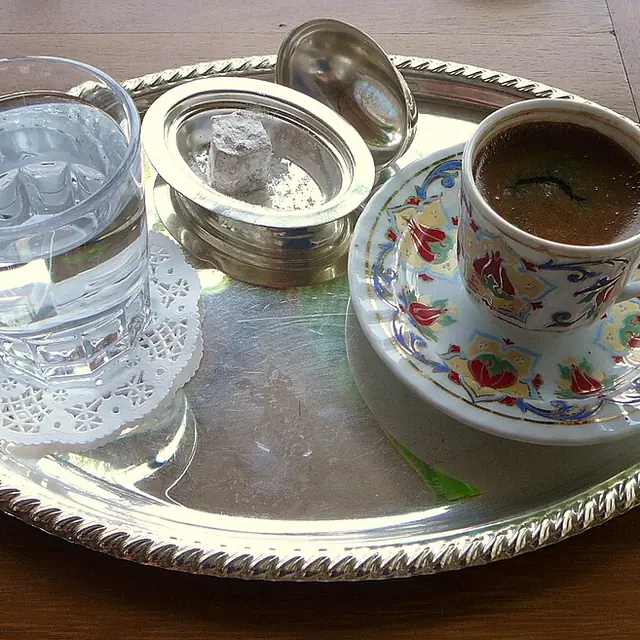
Finely ground robusta-and-arabica blend simmered three times in a long-handled cezve and poured unfiltered into small cups. Served with a glass of water and a square of lokum.
Where: Mandabatmaz, Kahve Dünyası Nuruosmaniye, Sade Kahve
Price: ₺60-110
A grilled mackerel fillet stuffed into a half-loaf of bread with raw onion, lettuce and a heavy squeeze of lemon. Istanbul's signature street food, eaten standing up.
History: Balık ekmek emerged on the Eminönü quays after the Second World War, when fishing boats sold the day's catch straight off the boat with a piece of bread. By the 1990s the moored red-and-gold boats on the Galata Bridge made it well-known; today they grill several hundred sandwiches a day for whoever steps up to the counter.
Where to try it: Tarihi Eminönü Balık Ekmek
Watch out for: Gluten, Fish
Thinly sliced lamb döner served over chopped pide bread, with melted butter, hot tomato sauce and a side of yogurt. Bursa's dish, eaten everywhere in Istanbul.
History: Iskender Efendi invented the dish in Bursa in the 1860s by setting the spit vertical instead of horizontal, so the meat fat dripped over the lamb instead of into the fire. The recipe travelled to Istanbul with Bursa migrants in the early 20th century; today Develi in Samatya and most major Istanbul kebab houses serve their own version.
Where to try it: Develi1912 Samatya
Watch out for: Gluten, Dairy
A wafer-thin disc of dough topped with spiced minced lamb, onion, parsley and tomato, baked seconds in a wood oven and eaten rolled around lemon and salad.
History: A southeastern Turkish-Armenian dish from Antep and Mardin, lahmacun reached Istanbul with mid-20th-century migration from the south. The city now has stone-oven specialists like Borsam Taşfırın in Kadıköy, running an unchanged 1968 recipe, alongside neighborhood Antep-rooted operators across Beyoğlu and Üsküdar. The wood-fired bake takes under a minute; the disc is meant to be rolled around lemon, sumac onions and fresh parsley and eaten immediately while the dough is still pliable.
Where to try it: Borsam Taşfırın, Çiya Kebap
Watch out for: Gluten
Black-shell mussels stuffed with spiced rice, currants, pine nuts and cinnamon, served from street trays with a wedge of lemon for one lira a piece.
History: A Greek and Armenian Istanbul tradition rooted in the late Ottoman period, midye dolma is sold by hand-cart sellers across Beyoğlu, Karaköy and Eminönü. The mussels come from the Bosphorus and Marmara, stuffed with pilaf perfumed with cinnamon, allspice, currants and pine nuts and steamed until the shells barely open. The street version remains the canonical one, eaten while standing at the cart with a squeeze of lemon. Most restaurant attempts undersell the spice mix.
Where to try it: Şampiyon Kokoreç
Watch out for: Shellfish
A sprawling table of cheeses, olives, eggs, honey, kaymak, jams, sucuk, simit and tea. The defining Turkish weekend ritual, served all morning across Istanbul's Bosphorus and Beyoğlu neighbourhoods.
History: Kahvaltı means literally before-coffee, the meal that precedes the morning Turkish coffee. The modern serpme (spread) version, with thirty small plates, became standard in Istanbul after the 1980s as breakfast houses turned the village meal into a city institution. Cihangir's Van Kahvaltı Evi codified the Eastern Anatolian template with Van otlu cheese, kaymak with honeycomb and menemen. The meal is meant to be shared, lingered over, and run straight into the lunch hour.
Where to try it: Van Kahvaltı Evi, Privato Cafe, Sade Kahve
Watch out for: Gluten, Dairy, Eggs, Nuts
Sheets of hand-rolled phyllo layered with crushed Antep pistachios, baked golden, then drenched in clear sugar syrup and cut into diamonds. Karaköy Güllüoğlu is the Istanbul reference counter.
History: Baklava as a layered phyllo dish reaches back to the Ottoman palace kitchens of Topkapı, with documented court versions in the 15th century. Karaköy Güllüoğlu, founded 1949 by Nadir Güllü's family from Gaziantep, set the modern Istanbul standard, with single-counter pistachio versions cut to order on Rıhtım Caddesi. Antep pistachios with their distinctive deep green colour are the canonical filling; cheaper rooms substitute walnut. The clear syrup is poured over the bake hot and absorbed slowly as the trays cool.
Where to try it: Karaköy Güllüoğlu, Hafız Mustafa 1864
Watch out for: Gluten, Dairy, Nuts
Tiny meat-filled dumplings the size of a thumbprint, boiled, served under garlic yogurt and finished with melted butter and Aleppo pepper oil.
History: Mantı arrived in Anatolia with the Turkic migrations from Central Asia and became a Kayseri specialty by the 15th century, traditionally served at weddings and family feasts. Istanbul homes still measure cooks by whether their mantı is small enough that 40 fit on a spoon; restaurants serve a looser, larger version. The garlic-yoghurt sauce, sumac and a drizzle of melted butter with paprika and dried mint are the canonical Istanbul finishing; the dish is eaten with a spoon rather than fork.
Where to try it: Çiya Sofrası, Yeni Lokanta
Watch out for: Gluten, Dairy, Eggs
Lamb intestine wrapped around skewered offal (heart, lung, kidney, sweetbread), grilled over charcoal until crisp outside, chopped on a hot board with oregano, tomato and chilli, stuffed into bread.
History: Kokoreç entered Istanbul's late-night street-food scene from the Balkans and Asia Minor in the early 20th century, with the canonical operators clustering around Şampiyon Kokoreç on Beyoglu's pedestrian arteries from 1977. The dish is a regulated Turkish PDO product: only lamb intestine over 24cm in length and meeting strict cleaning protocols qualifies. Şampiyon Kokoreç, Karaköy late-night counters and the Beyoğlu after-midnight stands serve the canonical version.
Where to try it: Şampiyon Kokoreç, Karaköy Lokantası, Asmalı Cavit
Watch out for: Gluten
Marinated lamb or beef layered onto a vertical spit, slow-cooked beside charcoal until the outer layer crisps, sliced thin into bread or onto rice with yoghurt and grilled tomato.
History: Döner kebab was invented in 19th-century Bursa by Iskender Efendi's grandfather, who turned the horizontal grilled kebab vertical to capture rendering fat. The Istanbul cooks refined the technique through the 20th century: today the canonical Istanbul döner uses thinly sliced and pounded lamb leg layered with fat between sheets, marinated in onion juice, milk and spice. Tarihi Sultanahmet Köftecisi, Çiya Kebap and the Karaköy Lokantası lineup all serve the city's reference döner.
Where to try it: Tarihi Sultanahmet Köftecisi, Çiya Kebap, Karaköy Lokantası
Watch out for: Gluten, Dairy
Turkish boat-shaped flatbread with toppings of minced lamb, sucuk and egg, pastırma and cheese, or spinach, baked in a wood-fired oven until the dough crisps and the topping bubbles.
History: Pide is the Turkish flatbread cousin of pizza and Levantine manakish, with documented origins in Black Sea cooking from the 19th century. The boat shape (pide is named for the elongated form) developed in the wood-oven pidecisi shops of Trabzon and Karadeniz, and spread to Istanbul in the 20th century. Tarihi Hocapaşa Pidecisi and Borsam Taşfırın are the city's reference operators, with sucuklu-yumurtalı (sucuk and egg) and kıymalı (minced lamb) the canonical toppings.
Where to try it: Tarihi Hocapaşa Pidecisi, Borsam Taşfırın, Borsam Taşfırın Kadıköy
Watch out for: Gluten, Dairy, Egg
Shredded kataifi pastry layered over melted Hatay cheese, baked golden in a copper pan, soaked in lemony sugar syrup, served hot with crushed pistachio and clotted cream.
History: Künefe is the canonical Levantine cheese pastry, with Antakya (Hatay) in southern Turkey claiming the strongest version; the pastry arrived in Istanbul's Beyoğlu kitchens through the 20th century as the city's southern-Turkish community grew. The dish uses Hatay's distinctive unsalted whey cheese for its stretchy melt, sandwiched between layers of crisp kataifi pastry. Hafız Mustafa, Saray Muhallebicisi and the Beyoğlu dessert houses all serve the version with kaymak (Turkish clotted cream).
Where to try it: Hafız Mustafa 1864, Saray Muhallebicisi, Karaköy Güllüoğlu
Watch out for: Gluten, Dairy, Tree nuts
Istanbul's circular sesame-encrusted bread ring, dipped in pekmez (grape molasses) before being baked to a deep crust. Sold from vendor poles across the city; the universal Istanbul breakfast snack with cay.
History: Simit has been baked in Istanbul since at least the 16th century, with documented Ottoman bakery records of the ring-shaped sesame bread. The pekmez (grape molasses) dip before baking is the canonical Istanbul technique, giving the distinctive deep brown crust and slight sweetness. Today simit is sold across the city from the red wooden poles of street vendors and at Borsam Taşfırın, Karaköy bakeries and the morning counters of every meyhane and breakfast room. The ring is the affordable everyday Istanbul snack.
Where to try it: Borsam Taşfırın, Borsam Taşfırın Kadıköy, Tarihi Hocapaşa Pidecisi, Karaköy Lokantası
Watch out for: Gluten, Sesame
Soft cubes of rose, mastic or pistachio-set sugar gel, dusted in powdered sugar or starch. Cut from large slabs at counter, sold by weight, eaten with Turkish coffee.
History: Ali Muhiddin Haci Bekir set up his confectionery on Hamidiye Caddesi in 1777 and is credited with refining the soft cornstarch-and-sugar gel known internationally as Turkish delight. The shop, still in the family, fixed the canonical Istanbul versions: gul (rose), sakizli (mastic), fistikli (pistachio).
Where to try it: Ali Muhiddin Hacı Bekir, Hafız Mustafa 1864, Karaköy Güllüoğlu
Watch out for: Nuts
Long flat skewer of hand-minced lamb, mutton tail-fat and red pepper, grilled over charcoal and served on lavash with grilled tomato, sumac onion and ayran.
History: Named for the southern Turkish city that perfected it, Adana kebap was registered as a Turkish protected designation in 2005, defining its hand-minced texture and minimum fat ratio. Istanbul lamb-kebab houses have served the dish for a century; the city's Adana-immigrant families keep the southern recipe close to canonical.
Where to try it: Develi1912 Samatya, Antiochia, Siirt Şeref Büryan
Watch out for: Gluten, Dairy
Layered sheets of paper-thin yufka, briefly boiled then baked with butter and a salty white-cheese-and-parsley filling. Soft, almost lasagne-like, sold by the slab at bakeries.
History: Su boregi belongs to the Ottoman palace-kitchen tradition of layered yufka pastries that travelled from Central Asia through Anatolia. The brief water-boil between layers, which gives the borek its name, sets the pastry soft rather than crisp; Istanbul bakeries have served it as a breakfast and morning-tea staple for generations.
Where to try it: Beyaz Fırın Etiler, Beyaz Fırın Brasserie, Van Kahvaltı Evi
Watch out for: Gluten, Dairy, Egg
Slow-stewed dried white beans in a tomato and red-pepper broth, often with chunks of lamb or pastirma. Served over pilav with pickles, the Turkish home-cooking comfort dish.
History: Kuru fasulye took hold across Anatolia after dried white beans arrived from the New World in the 17th century. The Istanbul esnaf-lokantasi tradition, the trade-guild canteens that fed shopkeepers and craftsmen, made it the canonical lunch plate; pilav with kuru fasulye, pickle and ayran is the working-city meal.
Where to try it: Karaköy Lokantası, Hayvore, Tarihi Hocapaşa Pidecisi
Creamy short-grain rice pudding finished under a hot grill so the top sets into a scorched, freckled skin. Served chilled in shallow clay bowls with a sprinkle of cinnamon.
History: Sutlac has been on Istanbul muhallebici menus since the late Ottoman period, when cold milk-puddings became the city's standard dessert in the long evenings between dinner and tea. The version baked in a clay bowl under a fierce top heat, leaving a black-spotted skin, is the Istanbul signature; lighter unfired versions belong to other Turkish cities.
Where to try it: Saray Muhallebicisi, Karaköy Lokantası, Hayvore
Watch out for: Dairy
Finely ground robusta-and-arabica blend simmered three times in a long-handled cezve and poured unfiltered into small cups. Served with a glass of water and a square of lokum.
History: Coffee reached Istanbul in 1554 when two Syrian merchants opened the first kahvehane in Tahtakale; the city has poured Turkish coffee continuously since. UNESCO inscribed Turkish coffee culture on its Intangible Cultural Heritage list in 2013, citing the preparation method, the social ritual and the cezve as defining elements.
Where to try it: Mandabatmaz, Kahve Dünyası Nuruosmaniye, Sade Kahve

Guided tour · 3 hours
Savor authentic Turkish dishes in vibrant Kadıköy. From lahmacun to menemen, coffee, and wine, discover the flavors, history, and traditions that make Istanbul a true ...
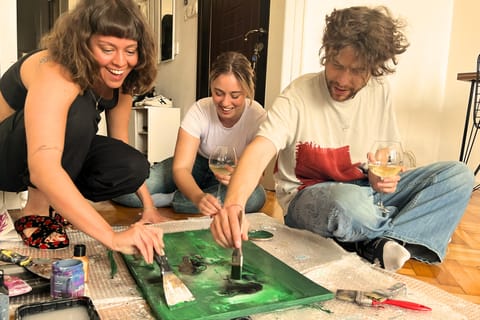
2.5 hours
Sip local wine and paint with Turkish fabrics in a cozy Istanbul home. A relaxing, hands-on workshop blending art, culture, and conversation.

Day trip · 16 hours
See the highlights of Cappadocia on an insightful day trip, including Goreme Open Air Museum and the famous fairy chimneys. Enjoy a roundtrip flight from Istanbul and ...
Istanbul's signature dishes include Balık ekmek (fish sandwich), Iskender kebap, Lahmacun, Midye dolma (stuffed mussels), Turkish breakfast (Kahvaltı). See our signature dishes chapter for where to eat each.