History

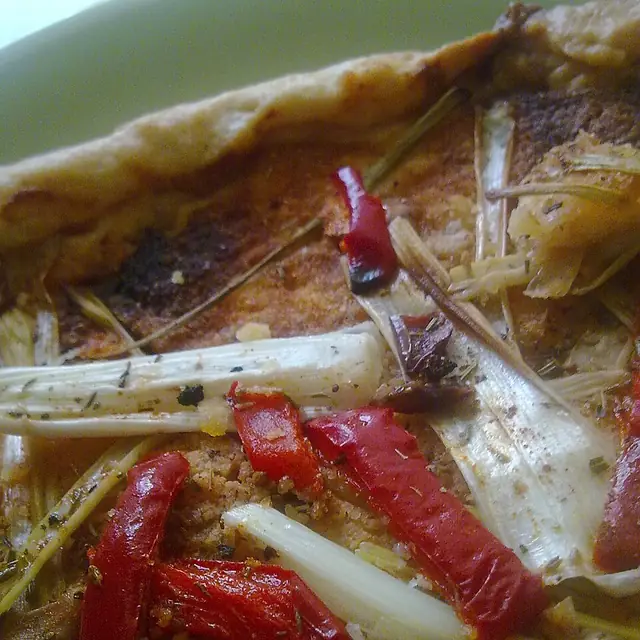
The calçotada was born in Valls (Tarragona) in the late 19th century: a farmer named Xat de Benaiges discovered that re-planting harvested onions and then earthing them up produced a tender, longer white shoot. By the 1940s the Valls Festa del Calçot was the centrepiece of Catalan winter food culture. The technique: grill calçots until black over vine cuttings, wrap in newspaper to steam, then peel each black layer back to reveal the soft inner. Dip in romesco (a sauce of dried nyora peppers, almonds, garlic, hazelnuts, bread, olive oil). Eat with the hands, head tilted back, wearing a bib. In Barcelona, the season runs January to March; restaurants run prefix-priced 35 to 50 euro calcotada lunches.

Common allergens: Nuts

Make it at home

Yield Serves 4Hands-on 30 minTotal 1 hrDifficulty Easy

Ingredients

  • 40 calçots (or 60 thick spring onions, white parts only)
  • For the romesco: 2 dried nyora peppers, soaked in water 30 min
  • 100g toasted almonds, 50g toasted hazelnuts
  • 4 cloves garlic, roasted in their skin until soft
  • 1 ripe tomato, roasted whole
  • 50g day-old country bread, no crust
  • 150ml olive oil
  • 1 tbsp sherry vinegar, salt, pinch of cayenne

Method

  1. Make the romesco: drain nyoras, scrape pulp. In a food processor combine pulp, almonds, hazelnuts, peeled garlic, peeled tomato, bread, vinegar and salt. Blitz to a coarse paste.
  2. With the motor running, drizzle in olive oil until you have a thick rust-red sauce. Taste, adjust salt and cayenne.
  3. Grill the calçots over a hot fire (charcoal or wood, ideally vine cuttings) until the outer is fully blackened, about 10 to 15 minutes. Turn once.
  4. Wrap the cooked calçots in newspaper or a tea towel; rest 10 minutes to steam.
  5. Peel each calçot at the table: hold the green top, slide the black outer down to reveal the soft white centre. Dip in romesco, eat from head down.

Tip from the editors. A real charcoal fire is the move; the gas grill does not give the same char. A barbecue with vine cuttings is the canonical.

This is the TableJourney editorial recipe, modelled on the canonical bistro / counter version. The first place to try the dish in its city of origin is below.

Where to eat calcots with romesco

Calcots with romesco in Barcelona

Casa Amalia ★ 4.2

Catalan classic€€eixample

Casa Amalia in Barcelona's Eixample is a 1950s neighbourhood dining room where bacallà a la llauna and esqueixada sit on the carte every weekday lunch.

Signature: Esqueixada, Bacalla a la llauna

Order: The esqueixada starter and the bacallà a la llauna oven dish.

Tip: Closed Sunday and Monday. The 19 euro menu del dia at lunch is the value pick.

Can Vilaro ★ 4.1

Catalan classic€€sant-antoni

Can Vilaro in Barcelona's Sant Antoni has cooked Catalan working-class plates since 1948: cap i pota, botifarra amb mongetes, daily off-the-bone fish stew.

Signature: Cap i pota, Botifarra amb mongetes

Order: The botifarra amb mongetes and a glass of house red.

Tip: Closed Sundays. Cash easier than card. Lunch menu del dia is 13 euros.

7 Portes ★ 4.3

Catalan classic€€€born

7 Portes in Barcelona's Born has run since 1836: arched rooms, brass plaques on regulars' tables, a paella for each day of the week.

Signature: Parellada paella, Catalan cream

Order: The Thursday paella Parellada and the crema catalana to finish.

Tip: Lunch is easier than dinner; the noon paella is held on the menu every day of the week.

More cities are in research. Want calcots with romesco covered somewhere specific? Tell us where you want to eat.

Browse all dishes →