What is in season in Jeju, and what to order when the market changes.
SpringIn season now
- Jaridom (damselfish)
- Jaridom season opens in April, and Bomok in Seogwipo holds its Jaridom Festival from late May to early June; at the 2026 festival jari mulhoe cost 10,000 won a bowl.
Festivals this seasonJeju Food & Wine FestivalExpected May to Jun 2027
SummerIn season now
- Mulhoe
- Cold raw-fish soup is the summer dish: jaridom, sea cucumber, turban shell or mitra squid in iced water with vegetables, and rice added to the last of the soup.
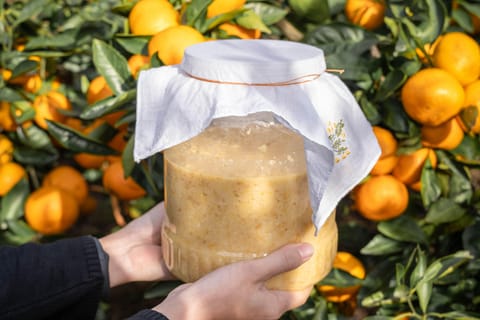
- Putgyul (green tangerines)
- Unripe green mandarins have their own festival in Seogwipo: on 1 August 2026 visitors bottled putgyul syrup at the Agricultural Technology Center.
Festivals this seasonGreen Tangerine Festival (Putgyul Festival)Expected 1 Aug 2027
AutumnIn season now
- Godeungeo (mackerel)
- Mackerel fattens after the summer breeding season, so autumn is its best time, the Jeju Tourism Organization says.
- Pheasant
- In the fall pheasant is a treat on Jeju: eaten raw, as jerky, as thinly sliced kkwong-toryeom hot pot, or in pheasant buckwheat noodles.
- Open-field tangerines
- November is tangerine season: orchards turn orange from mid-month, and farms open for picking from October into the new year, around 10,000 won for 1 to 2 kilograms.
Festivals this seasonSouthernmost Yellowtail Festival (Choenamdan Bangeo Festival)19-22 NovJeju Citrus Expo (Jeju Tangerine Expo)19-23 NovJeju Hanjan Our Sool Festival (Jesulpe)Expected 2-3 Oct 2027Hallim Taste FestivalExpected 9-10 Oct 2027
Going to Jeju Citrus Expo (Jeju Tangerine Expo)?
Hotels in Jeju, 19-23 Nov
WinterIn season now
- Bangeo (yellowtail)
- Yellowtail grounds form around Marado from October to February, and Moseulpo, the largest yellowtail landing, holds its festival in November.
Book food experiences in Jeju