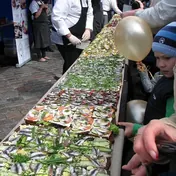
Estonian sauerkraut: fermented white cabbage, eaten with verivorst at Christmas, alongside roast pork year-round, and as the everyday vegetable.

Hapukapsas grew from Northern European fermentation traditions absorbed during the Hanseatic and Russian Empire periods, when winter vegetable storage was a survival skill. Estonian farmers fermented entire cabbages in wooden barrels with salt, caraway and juniper, then ladled the cured slaw onto every winter plate. The Estonian Christmas Eve dinner is built around hapukapsas piled next to verivorst, with stewed pork and lingonberry jam.

Where to eat Hapukapsas in Tallinn

3 editor picks for Hapukapsas in Tallinn, ranked by editorial score. All Tallinn signature dishes · Hapukapsas across every city.

Book food experiences in Tallinn

See all 563 food experiences in Tallinn

Make it at home

Serves 1168 hrEasy

Ingredients

  • 1 large white cabbage (1.5kg), finely shredded
  • 1 large carrot, grated
  • 30g sea salt (about 2% of cabbage weight)
  • 1 tablespoon caraway seeds
  • 5 juniper berries, crushed
  • 2 bay leaves

Method

  1. Combine cabbage, carrot and salt in a large bowl. Massage and squeeze for 5 to 10 minutes until liquid releases.
  2. Add caraway, juniper and bay leaves.
  3. Pack tightly into a large clean jar, pressing down so the liquid covers the cabbage.
  4. Cover with a weight (a small jar of water works), then cover with a cloth.
  5. Ferment at cool room temperature 7 to 14 days until pleasantly sour, then refrigerate.

Editor tip. The cabbage must stay under the brine; any pieces above the liquid line will go off.