Olde Hansa ★ 4.4
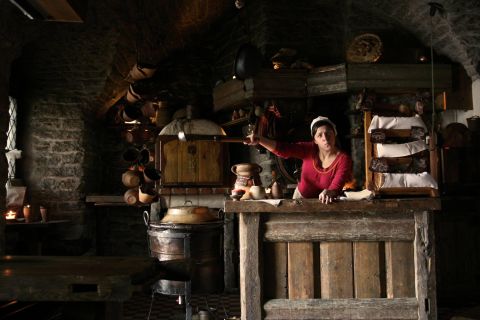
Olde Hansa on Vana turg runs the medieval Hanseatic feast in candlelight until midnight every night, with live hurdy-gurdy and bagpipe music Wed to Sat.
TryMedieval Hanseatic feast with live music
Estonian sauerkraut: fermented white cabbage, eaten with verivorst at Christmas, alongside roast pork year-round, and as the everyday vegetable.
Where to eat it: 3 restaurants across 1 city.
Hapukapsas grew from Northern European fermentation traditions absorbed during the Hanseatic and Russian Empire periods, when winter vegetable storage was a survival skill. Estonian farmers fermented entire cabbages in wooden barrels with salt, caraway and juniper, then ladled the cured slaw onto every winter plate. The Estonian Christmas Eve dinner is built around hapukapsas piled next to verivorst, with stewed pork and lingonberry jam.
Tip from the editors. The cabbage must stay under the brine; any pieces above the liquid line will go off.
Olde Hansa on Vana turg runs the medieval Hanseatic feast in candlelight until midnight every night, with live hurdy-gurdy and bagpipe music Wed to Sat.
TryMedieval Hanseatic feast with live music
Rataskaevu 16 is the Old Town's mid-priced Estonian comfort-food room, with braised elk, beef tenderloin and chef's choice white fish on a dietary menu.
OrderBraised elk roast with potato and beetroot gratin (€28.60); add the Estonian cheese platter.
TipBook a week ahead in summer. Sister room Väike Rataskaevu at Niguliste 6 takes the overflow with a smaller menu.
III Draakon under the Town Hall serves elk soup, pirukad pastries and house beer for a few euros each in a medieval-themed candle-lit cellar.
TryElk soup and savoury pirukad
More cities are in research. Want hapukapsas covered somewhere specific? Tell us where you want to eat.