
History
Seaweed has been harvested and eaten along the Irish Atlantic coast for millennia; carrageen moss was used as a setting agent for puddings long before commercial gelatine, and dulse was gathered from the shore at low tide. The Aran Islands have the most continuous tradition of eating fresh seaweed, with islanders gathering dulse and dillisk directly from the limestone shoreline. JP McMahon at Aniar elevated Galway seaweed from subsistence food to haute cuisine ingredient, incorporating sea lettuce, dulse and carrageen into tasting menu courses.
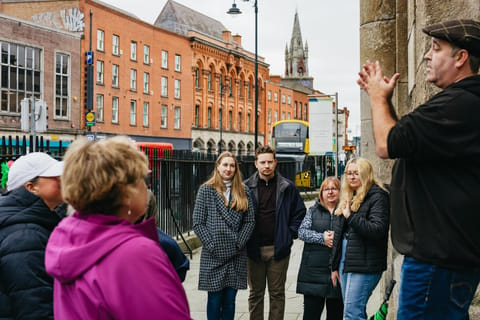
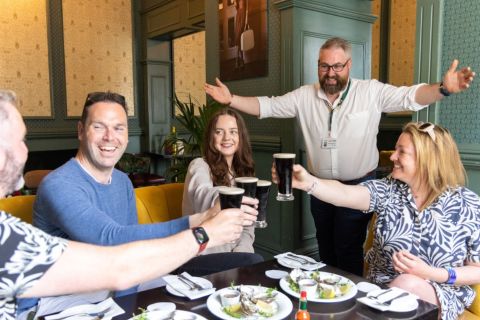
Book a food experience
Tours, tastings and classes from the cities on this page, bookable on GetYourGuide.

Common allergens: Iodine (high)
Make it at home
Ingredients
- 30g dried dulse or dillisk seaweed (rehydrated in cold water 10 minutes, squeezed dry)
- 200g cucumber, thinly sliced
- 4 radishes, very thinly sliced
- 1 tablespoon rice vinegar
- 1 tablespoon sesame oil
- 1 teaspoon honey
- 1 teaspoon grated fresh ginger
- 1 tablespoon toasted sesame seeds
- Sea salt
Method
- Rehydrate the dried dulse in cold water for 10 minutes until it softens and turns deep red-brown.
- Drain and squeeze dry. Roughly chop if the pieces are large.
- In a bowl, whisk rice vinegar, sesame oil, honey, ginger and a pinch of sea salt.
- Toss cucumber, radishes and dulse in the dressing.
- Let sit 5 minutes for the flavours to combine.
- Scatter sesame seeds over and serve as a salad or alongside oysters.
Tip from the editors. Irish dulse has a stronger iodine flavour than Japanese wakame; start with a smaller amount if you are new to eating seaweed and add more according to taste.
Where to eat wild atlantic seaweed dishes
Wild Atlantic Seaweed Dishes in Galway
Aniar 1 ★ ★ 4.9
Aniar in Galway has held one Michelin star since 2012; JP McMahon serves tasting menus on foraged herbs, cured west-coast fish and Connacht smoked meats.
OrderThe tasting menu, which changes with each day's wild and local produce from Connacht
Book3-4 weeks ahead
TipBook Tuesday to Saturday; the kitchen is closed Sunday and Monday.
Kai Restaurant ★ 4.8
Kai Restaurant on Sea Road Galway serves brunch Thursday to Sunday; the daily Moycullen farm menu makes it the most ingredient-driven Galway brunch available.
OrderDaily farm vegetable plate with poached egg and Moycullen cultured butter
Ard Bia at Nimmos ★ 4.7
Ard Bia at Nimmos on Spanish Arch Galway serves brunch in a medieval stone room; the organic egg dishes and seasonal salads make it the most scenic brunch.
OrderWild Atlantic smoked salmon on house soda bread with creme fraiche on the river terrace
Oscar's Seafood Bistro ★ 4.7
Oscars Seafood Bistro on Dominick Street Galway seats just 30 and fills nightly; the wild Atlantic fish board and ten-dish menu is the best value in Galway.
Why locals goA 34-cover room on Upper Dominick Street that serves Galway finest wild-caught seafood with no walk-in space.
TipBook two weeks ahead for Friday dinner; the lobster bisque is the standout first course.
More cities are in research. Want wild atlantic seaweed dishes covered somewhere specific? Tell us where you want to eat.