

Seoul
2h 30m
Seoul: Korean Cooking at Seoul Cooking Club!
Experience an immersive 2.5-hour local cooking class with an authentic Korean chef. We cater to all tastes including vegan, vegetarian, pescatarian,...
from$109Check dates
Pig intestine stuffed with pig blood, sweet potato glass noodles, glutinous rice and bean sprouts. Steamed, sliced into thick coins, dipped in spiced salt at Seoul markets.
Where to eat it: 3 restaurants across 1 city.
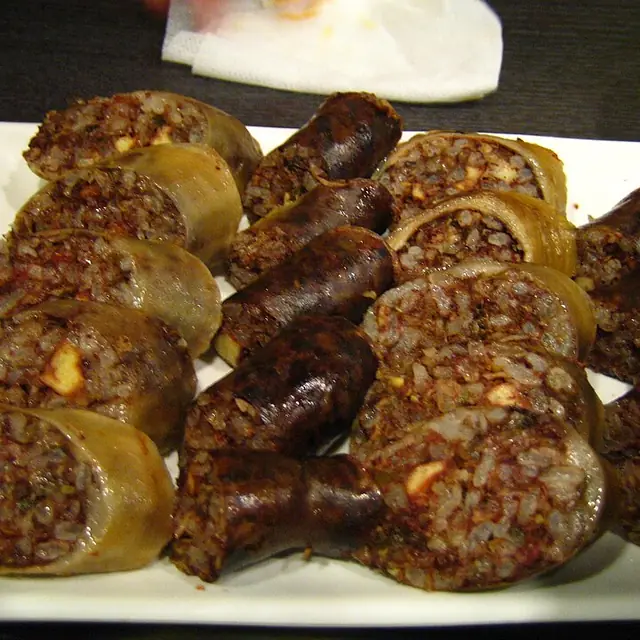
Sundae has roots in Mongol-influenced Korean cuisine of the Goryeo dynasty (10th to 14th century), introduced through Mongol overlord rule. Originally a winter peasant dish (everything from the slaughtered pig got used), it became a street-food staple in the 20th century. Sindang-dong in Seoul, just east of Dongdaemun, is the canonical home of sundae bokkeum (sundae stir-fried with tteokbokki and gochujang); the alley dates to the 1950s. Plain steamed sundae sliced and dipped in fine salt with pepper is the older Seoul format, eaten at Gwangjang and Tongin markets.
Tours, tastings and classes that match this page, bookable on GetYourGuide.
2h 30m
Experience an immersive 2.5-hour local cooking class with an authentic Korean chef. We cater to all tastes including vegan, vegetarian, pescatarian,...
3 hours
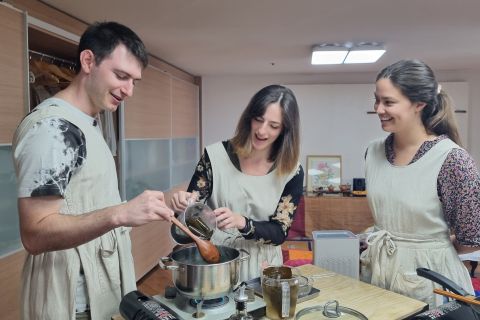
Discover Korean food and culture by taking part in a Korean cooking class. Taste and learn how to cook traditional Korean dishes together with an...
Guided tour · 2.5 hours
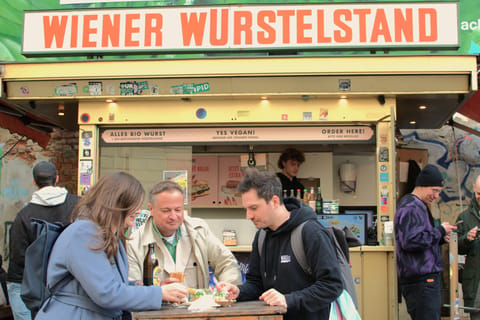
Discover the culture of the Viennese sausage stand on a guided tour. Visit classic and modern stands, learn dialect terms, the history, and enjoy...
Common allergens: Gluten
Tip from the editors. Pierce the casing with a needle in the first 15 minutes of steaming to release trapped air; un-vented sausages split and lose half the filling.
Sindang-dong Tteokbokki Town is the origin neighbourhood of the modern spicy tteokbokki -- Ma Bok-rim developed gochujang-seasoned rice cakes here in 1953.
TryTteokbokki (various styles: original, cheese, rabokki)
Gwangjang Market, established in 1905, is the oldest continuous daily market in Korea and the city's most essential food destination for visitors.
The 200-metre stretch in front of Ikseon-dong from Exit 5 to Exit 6 at Jongno 3-ga Station is Seoul's most concentrated pojangmacha (street food tent).
OrderTteokbokki and odeng (fish cake skewer in anchovy broth).
TipArrive by 19:00 or earlier to find a free stool; cash only at most tents.
More cities are in research. Want sundae (korean blood sausage) covered somewhere specific? Tell us where you want to eat.