

Seattle
Guided tour · 2 hours
Seattle: Pike Place Market Chef-Guided Food Tour
Embark on a culinary tasting tour of Pike Place Market with a local chef. Stop at 9 artisanal vendors and learn about local food producers as you...
from$75Check dates
The Seattle latte is the third-wave espresso-and-milk drink the city perfected: a triple-shot espresso pulled at 9 bars, steamed whole milk poured to a glossy microfoam with a tulip or rosetta on top.
Where to eat it: 4 restaurants across 1 city.
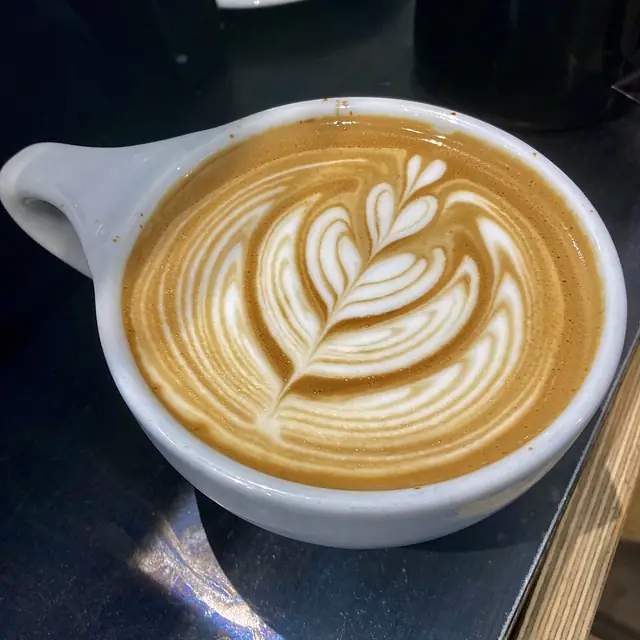
Seattle shaped the modern American espresso drink. Starbucks opened at Pike Place in 1971 as a bean roaster; Howard Schultz brought the Italian espresso-bar template to the company after a 1983 Milan trip, and the latte (espresso plus steamed milk) became the city's lingua franca through the 1990s. The third-wave reset came from independents: Espresso Vivace (David Schomer, opened 1988 on Capitol Hill) wrote the textbook on milk-steaming and latte art; Victrola Coffee Roasters (2000) refined single-origin espresso; Caffe Vita built the city's roasting reputation from 1995. Seattle barista training still centres on milk-steam technique and rosetta latte art.
Tours, tastings and classes that match this page, bookable on GetYourGuide.
Guided tour · 2 hours
Embark on a culinary tasting tour of Pike Place Market with a local chef. Stop at 9 artisanal vendors and learn about local food producers as you...

Guided tour · 2 hours
Choose a 2-hour express or 3-hour full Boston food tour. Taste clam chowder, arancini, brick oven pizza, cannoli, and more while exploring the North...
Guided tour · 2 hours
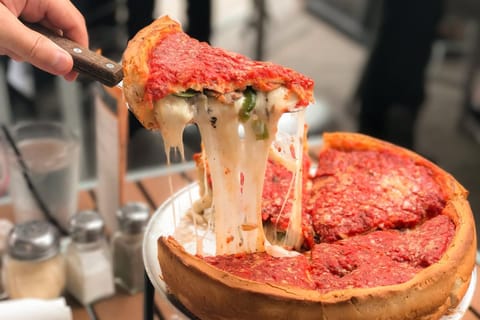
Taste some of Chicago's most iconic foods while walking through one of the Prohibition Era’s most fashionable and notorious gangster-ridden...
Guided tour · 2.5 hours
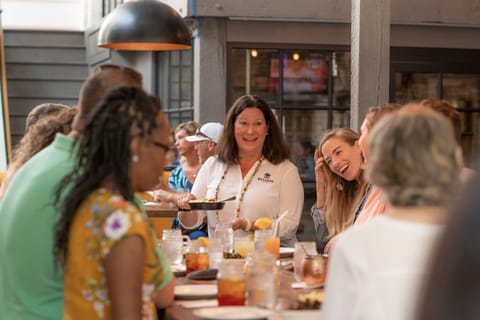
Experience the flavors of Charleston with the help of local guides. Delve into over 300 years of culinary history as you taste your way through the...
Common allergens: Dairy
Tip from the editors. Whole milk is the only milk that gives proper microfoam; alt-milks (oat, almond) steam flatter and the latte art will not hold. Practice until paint-glossy.
Espresso Vivace in Seattle's Capitol Hill is David Schomer's 1988 espresso bar: the cafe credited with bringing micro-foam latte art to North America.
DrinkCaffe Nico, the David Schomer cortado
Victrola Coffee Roasters in Seattle's Capitol Hill is the 2000 third-wave roaster on 15th Ave: single-origin pour overs, the Streamline espresso blend.
BeansEthiopia, Colombia, Kenya, Costa Rica
BrewsEspresso, Pour over, Filter, Whole bean retail
Caffe Vita Capitol Hill in Seattle is the 1995 flagship roastery and cafe, an early adopter of Farm Direct sourcing, with a downstairs roaster visible.
DrinkCaffe del Sol espresso blend
Anchorhead Coffee Downtown in Seattle is the CenturyLink Plaza flagship: a small-batch roaster known for the Hard Hat latte and a clean, modern espresso.
DrinkHard Hat Iced Latte
More cities are in research. Want seattle latte covered somewhere specific? Tell us where you want to eat.