History
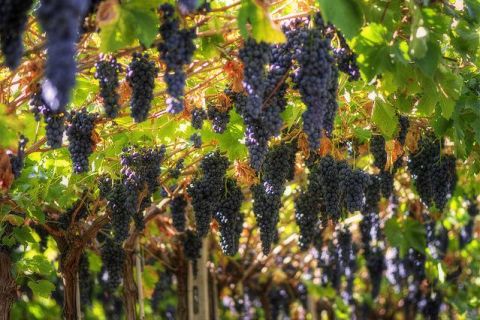
A relatively modern Veronese plate from the second half of the 20th century, the risotto pairs two regional IGP-DOC pillars: Vialone Nano Veronese rice (IGP since 1996) from the Isola della Scala plain south of the city and Amarone della Valpolicella, the dried-grape red from the hills to the north. The dish made the city's reference rice plate by the 1970s and is now on every Veronese trattoria menu, with a strict two-person minimum at the most traditional rooms.
Make it at home
Yield 4Hands-on 35 minTotal 45 minDifficulty Intermediate
Ingredients
- 320g Vialone Nano rice (or Carnaroli as substitute)
- 300ml Amarone della Valpolicella wine
- 1 small white onion, finely chopped
- 1.5 litres beef or chicken broth, kept hot
- 60g unsalted butter (40g for cooking, 20g for finishing)
- 60g grated Monte Veronese DOP cheese (or aged Parmigiano)
- Salt and freshly cracked black pepper
- 1 tablespoon olive oil
Method
- Heat the olive oil and 40g butter in a heavy pan over medium heat; sweat the onion 4 to 5 minutes until translucent but not coloured.
- Add the rice and toast 2 minutes, stirring, until each grain is glossy and slightly translucent at the edges.
- Pour in 200ml of the Amarone all at once and stir until almost fully absorbed (about 3 minutes).
- Begin adding the hot broth one ladle at a time, stirring with a wooden spoon and waiting until each ladle is mostly absorbed before adding the next.
- After about 14 minutes, pour in the remaining 100ml Amarone and continue stirring; the rice will turn deep purple-black.
- Cook a further 3 to 4 minutes until the rice is al dente, about 18 minutes total cooking. Season with salt and pepper.
- Off the heat, beat in the remaining 20g cold butter and the grated cheese (the mantecatura) until the risotto is creamy and wavy.
- Rest 1 minute and serve immediately in warmed shallow bowls with an extra grind of black pepper.
Tip from the editors. Use a real Amarone (not a Valpolicella or Ripasso) for the full dried-cherry depth; pair with a glass of the same wine at the table.
This is the TableJourney editorial recipe, modelled on the canonical bistro / counter version. The first place to try the dish in its city of origin is below.