Bruges
2.5 hours
Bruges: Belgian Praline and Mendiants Chocolate Workshop
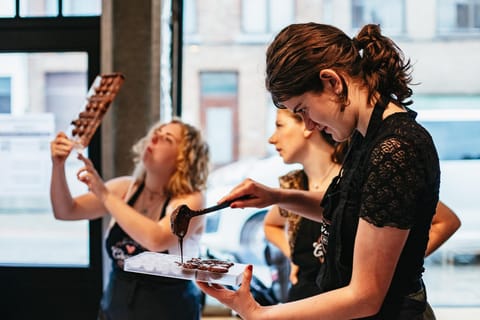
Become a chocolate maker and create your own Belgian chocolates in a guided workshop. Master the tips and tricks required to make delicious praline...
from€59Check dates
Filled chocolate bonbons invented in Brussels in 1912: a bittersweet shell enrobing a soft centre of ganache, caramel, marzipan, gianduja or nut praline. Wittamer, Pierre Marcolini and Mary set the city standard.
Where to eat it: 3 restaurants across 1 city.
The Belgian praline was invented in 1912 by Jean Neuhaus II at the family Galeries Royales Saint-Hubert pharmacy-confiserie (the original Neuhaus shop opened on Galerie de la Reine in 1857). His wife Louise Agostini then invented the ballotin box in 1915 to keep the pralines from being crushed in the paper cones used at the time. Wittamer (1910), Mary (1919) and Pierre Marcolini (1995) extended the tradition through the 20th century.
Tours, tastings and classes that match this page, bookable on GetYourGuide.
2.5 hours
Become a chocolate maker and create your own Belgian chocolates in a guided workshop. Master the tips and tricks required to make delicious praline...
2.5 hours
Become a chocolate maker and create your own Belgian chocolates in a guided workshop. Master the tips and tricks required to make delicious praline...
Guided tour · 2h 30m
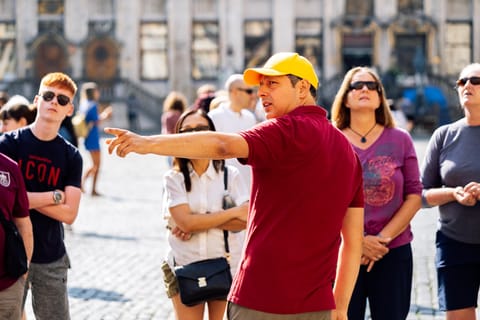
Explore the iconic sites, rich history, and flavors of Brussels on this guided small-group tour. Discover historical sites like Manneken Pis and try...
Guided tour · 2 hours
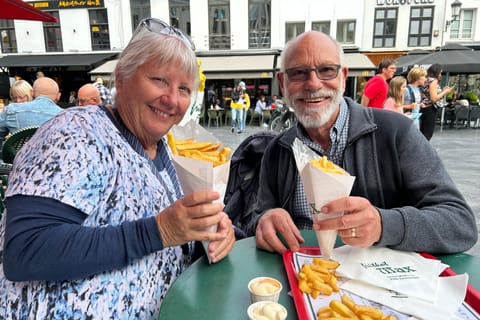
Embark on a food tour of Antwerp, where the rich flavors of Belgian cuisine mix with the city's captivating history. Taste 5 different small Belgian...
Common allergens: Dairy, Tree nuts, Soy
Tip from the editors. Tempering is the entire challenge; untempered chocolate gives dull, soft pralines that bloom in days. A marble slab and instant-read thermometer matter most.
Wittamer in Brussels has held the Sablon corner since 1910. The family patisserie supplies the Belgian royal house, with a tea room at number 6.
Worth the queueRoyal de chocolat
Frederic Blondeel in Brussels' Sainte-Catherine roasts single-origin cocoa in his Quai aux Briques workshop. Open tue-sun 10:00-18:30. Booking recommended.
Worth the queueSingle-origin praline boxes
Maison Dandoy in Brussels has been baking speculoos since Jean-Baptiste Dandoy opened in 1829. Open daily 09:30-22:00. At Rue Charles Buls 14.
Worth the queueGaufre de Bruxelles with whipped cream
More cities are in research. Want praline belge covered somewhere specific? Tell us where you want to eat.