History

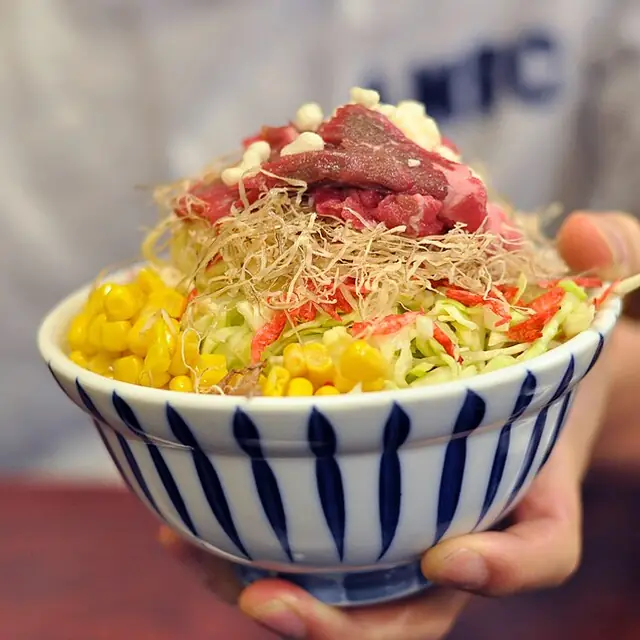
Monjayaki is Tokyo's distinctive answer to Osaka okonomiyaki, originating in the early 20th century as a children's snack at penny-candy shops where the runny batter was used to scrawl letters on the griddle (the name derives from moji-yaki, letter-grilled). By the postwar period it had moved into the Tsukishima district of Tokyo Bay, where over 70 monjayaki specialists now line Nishi-Naka-dori, known as Monja Street. The form is wholly Tokyo: a much wetter batter than okonomiyaki, eaten with tiny hagashi spatulas straight off the hot griddle in small crisped bites. Standard fillings include mentaiko-mochi-cheese, kaisen (seafood), and the canonical mix-of-everything moriawase.

Common allergens: Gluten, Egg, Shellfish, Soy, Fish

Make it at home

Yield 2Hands-on 15 minTotal 25 minDifficulty Intermediate

Ingredients

  • 300g green cabbage, very finely shredded
  • 1 spring onion, finely sliced
  • 50g tenkasu (tempura crumbs, sold in Japanese groceries)
  • 30g sakura ebi (small dried shrimp) plus 100g raw prawns or squid pieces
  • 60g sliced thin pork belly or bacon, cut into 2cm pieces
  • 60g grated cheese (mozzarella or processed cheese)
  • 50g pickled red ginger (beni shoga), drained
  • 1 pouch mentaiko (spicy pollock roe), optional, about 40g, casings removed
  • For the wet batter: 50g plain flour
  • 350ml dashi stock (warm)
  • 2 tbsp Worcestershire sauce
  • 1 tbsp shoyu
  • 1 tbsp mirin
  • 1 tsp sugar
  • pinch of salt
  • Vegetable oil for the griddle
  • Aonori (dried green seaweed), bonito flakes and shichimi togarashi to finish
  • Small metal hagashi spatulas (or sturdy thin metal spatulas)

Method

  1. Whisk the batter ingredients until smooth in a large bowl; tip in the cabbage, spring onion, sakura ebi, tenkasu, raw seafood, pork belly, pickled ginger and any cheese reserved for the centre. Toss well.
  2. Heat a heavy 30cm flat teppan or large cast-iron griddle pan over high heat until very hot; brush with a thin film of oil.
  3. Drain the batter through a colander, lifting the solids out; spread the solids in a ring on the hot griddle, leaving the centre open like a doughnut.
  4. Pour the runny batter liquid into the centre of the ring; it will bubble and start to gel immediately.
  5. After 90 seconds, when the liquid begins to thicken at the edges, fold the ring of solids inward into the centre with the hagashi spatulas, mixing everything together and spreading flat across the griddle to about 1cm thick.
  6. If using mentaiko or cheese, dot it across the surface now.
  7. Press the mass flat with the spatulas and cook for 4 to 5 minutes; the underside should turn crisp and golden.
  8. Reduce heat to medium. Shower with aonori, bonito flakes and shichimi.
  9. Eat directly off the griddle: each diner scrapes up small crisped scoops with their hagashi spatula and eats hot. The crispy bits caramelised at the edges of the griddle are the prize.

Tip from the editors. A heavy cast-iron pan or a portable electric teppan grill is essential; a thin non-stick will not give the crispy caramelised edges. The batter must be much wetter than okonomiyaki batter; if it looks like pancake mix, add 100ml more dashi.

Where to eat monjayaki

Monjayaki in Tokyo

Ameya-Yokocho street stalls ★ 4.2

Street food¥Daily 10:00-20:00 (vendor hours vary)

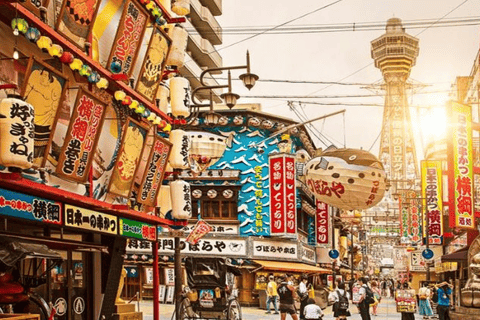
Ameya-Yokocho in Tokyo's Ueno is the 500-metre street under the JR tracks, 400 vendors of takoyaki, kebabs, dried seafood, post-war black-market origin.

Try: Takoyaki, okonomiyaki, kebab, dried fish

Tip: Saturday afternoons are jammed; weekday mornings stay calm. The takoyaki stalls and Turkish kebab counters are the lunch picks.

More cities are in research. Want monjayaki covered somewhere specific? Tell us where you want to eat.

Browse all dishes →