
Cologne
Guided tour · 2 hours
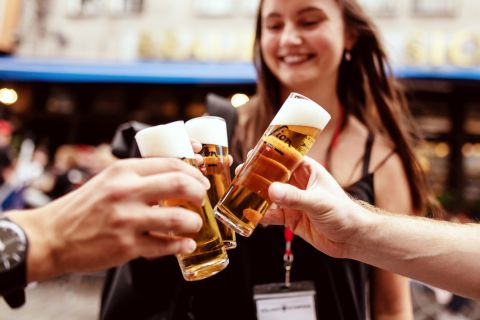
Cologne: Brewery Tour with 3 Kölsch Beer Tastings
Experience Cologne's famous brewing culture and old town on this popular brewery tour. Immerse yourself in the exciting, humorous, and bizarre...
from€28Check dates
Bavarian Allgäu cheese noodles: irregular hand-shaped soft egg-pasta drops layered with grated Bergkäse cheese and topped with deeply caramelised onions, baked until the cheese is molten and the top crust is golden.
Where to eat it: 4 restaurants across 1 city.
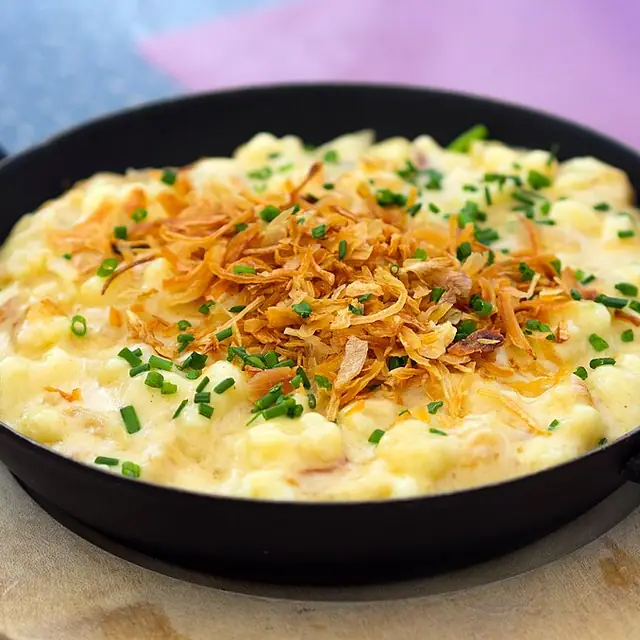
Spätzle (German for little sparrows) are soft egg dumplings made by pressing a wet batter through a perforated tool directly into boiling water. They have been a Swabian and Bavarian staple since at least the 18th century, with documented home recipes dating to 1725. The Käsespätzle variation, layered with cheese and caramelised onions, emerged in the Allgäu region of southern Bavaria and the Austrian Vorarlberg in the 19th century. Today Käsespätzle is a Munich Gaststätte standard, particularly in winter; Augustiner-Stammhaus and Wirtshaus in der Au run versions year-round.
Tours, tastings and classes from the cities on this page, bookable on GetYourGuide.
Guided tour · 2 hours
Experience Cologne's famous brewing culture and old town on this popular brewery tour. Immerse yourself in the exciting, humorous, and bizarre...
Guided tour · 1h 30m
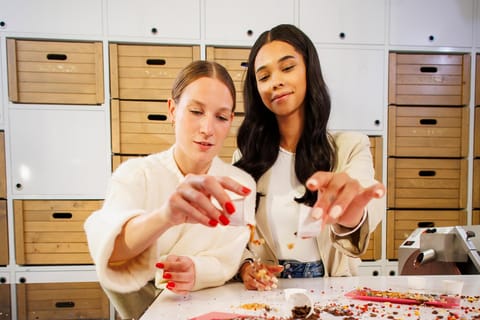
Take a guided tour of the Chocoversum in Hamburg and discover how sweet chocolate is made. Taste the chocolate at various stages of production and...

Guided tour · 2.5 hours
Enjoy a guided tour of the Viktualienmarkt in Munich and taste delicious regional foods as well as international delicacies. Enjoy the bustling life...
Guided tour · 1h 30m
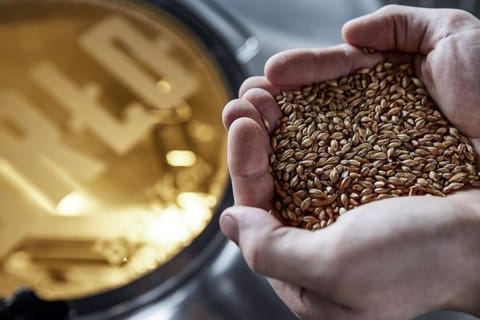
Visit a craft brewery in Berlin and embark on a guided tour of the unique facility housed in recycled containers. Discover how beer is made and try a...
Common allergens: Gluten, Dairy, Egg
Tip from the editors. The batter consistency is the structural rule; too thin gives thread-like spätzle, too thick gives heavy nuggets. It should hold its shape on a spoon for 2 seconds before dripping. Allgäuer Bergkäse is the canonical cheese; without it the dish reads as generic baked pasta.
Andechser am Dom pours the Andechs Monastery's beers a minute from Munich's Frauenkirche; the casual Bavarian room locals send out-of-towners.
OrderSchweinshaxe with potato dumplings and a half-litre of Andechser Doppelbock.
TipDaily 10:00-01:00; the Weinstrasse-side terrace catches sun till evening in summer.
Augustiner-Stammhaus on Munich's Neuhauser Strasse pedestrian zone has been pouring Augustiner since 1829; the city's oldest Augustiner room.
OrderSchweinsbraten with two dumplings; pair with Augustiner Helles tapped from the wooden cask.
TipAsk for the Muschelsaal (Seashell hall) when reserving; it is the most moody room.
Wirtshaus in der Au on Munich's Lilienstrasse, between Deutsches Museum and Gasteig, is the city's best room for Knödel and dumpling sampler plates.
OrderThe Knödel sampler: spinach, semmel and sweet plum dumpling for dessert.
TipOpen evenings only weekdays; Saturday and Sunday lunch is the easier reservation.
Spatenhaus an der Oper, opposite the Bavarian State Opera in Munich's Altstadt, pours Spaten beer and cooks classic Bavarian; the suckling pig.
OrderThe Wiener Schnitzel with cucumber salad; the suckling pig with braised red cabbage if you want one big plate.
TipBook the upstairs room for opera pre-shows; the ground floor is the casual side.
More cities are in research. Want käsespätzle covered somewhere specific? Tell us where you want to eat.