
Athens
Guided tour · 3 hours
Athens: Street Food Tasting Tour
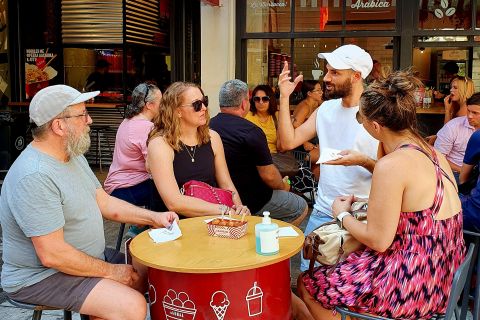
Immerse yourself in Athenian cuisine, sample the best street food with beer or wine, explore Athens, and hang out where the locals do on this guided...
from€59Check dates
Greek white-bean soup of butter beans simmered with carrot, celery, onion and tomato, finished with olive oil and oregano. The unofficial national dish of Greece.
Where to eat it: 4 restaurants across 1 city.
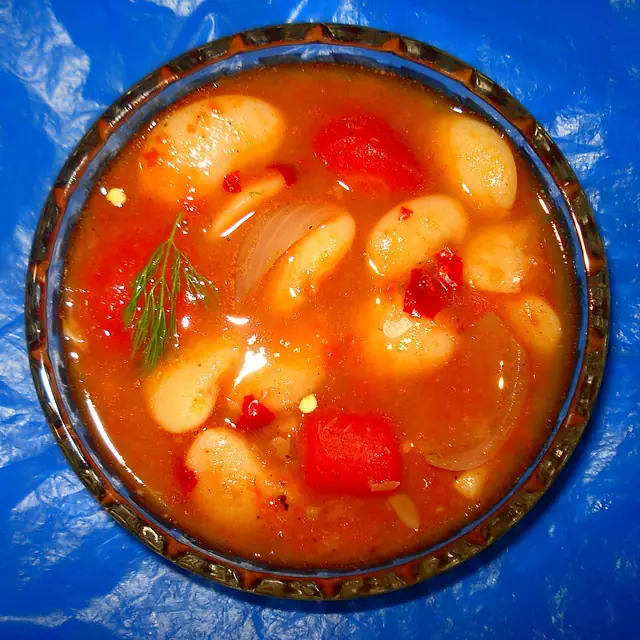
Fasolada is the unofficial national dish of Greece, present on Lenten and everyday tables since the medieval period. The dish is built on dried gigantes or butter beans slow-cooked with the trinity of Greek vegetables (carrot, celery, onion) and finished with abundant olive oil. Diporto, Taverna Saita and the Athenian neighborhood tavernas plate fasolada as a cold-season staple, often as the first course before grilled protein.
Tours, tastings and classes from the cities on this page, bookable on GetYourGuide.
Guided tour · 3 hours
Immerse yourself in Athenian cuisine, sample the best street food with beer or wine, explore Athens, and hang out where the locals do on this guided...
Guided tour · 7 hours
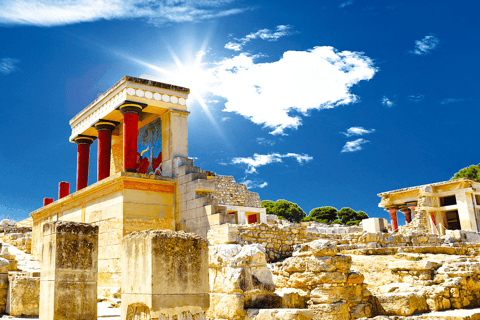
Visit Knossos Palace, Crete’s most famous archaeological site, and explore Heraklion city. Enjoy a guided tour, free time, and a walk through the Old...
Guided tour · 4 hours
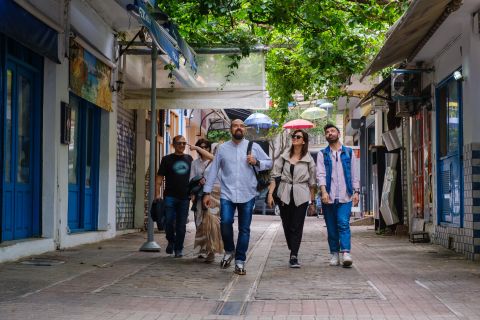
Delve into Greek cuisine and go on a walking tour of Thessaloniki with food tastings and drinks included. Taste local dishes such as koulouri, wander...
Tip from the editors. Greek olive oil is the dish; use the best you have and use it generously. The bowl should taste of olive oil first, beans second.
Diporto is basement koutouki on a market-square corner with no sign, no menu, no english; the door is two trap-style entrances at street level.
Why locals goBasement koutouki on a market-square corner with no sign, no menu, no English; the door is two trap-style entrances at street level.
TipLunch only from late morning until pans empty; descend the two doors and point at the trays.
Taverna Saita on Kydathineon in Plaka is the rare Athenian-locals tavern on the quiet end of the strip, opposite the Metamorphosis church courtyard.
Why locals goThe rare Plaka room cooking for Athenian locals on the quiet end of Kydathineon, opposite the Metamorphosis church courtyard, away from souvenir shops.
TipPavement tables face the quiet end of Kydathineon; book a fortnight ahead for weekend dinners.
Klimataria on Theatre Square in Athens runs until past midnight every night, the Psyrri institution since 1927 where rebetiko plays live and the wine comes.
OrderGigandes plaki, slow-cooked lamb and a half-kilo of the house red from the barrel.
TipLive music runs most evenings from around 22:00; book a fortnight ahead for the weekend seatings.
Karavitis Tavern on Pausaniou in Pangrati is the 1926 neighbourhood taverna with a rustic courtyard, barrels of house wine and a point-at-trays system.
Why locals goPangrati neighbourhood taverna since 1926 with a rustic courtyard, barrels of house wine, and an order-by-pointing system that keeps the tourist trade away.
TipNo reservations are taken; arrive before 21:00 on weeknights and before 20:30 on Saturdays.
More cities are in research. Want fasolada covered somewhere specific? Tell us where you want to eat.