History

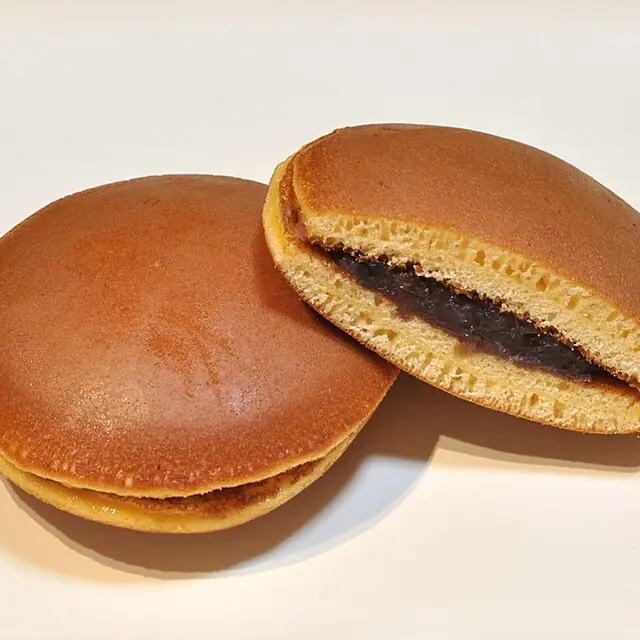
Dorayaki's modern form dates to the early 20th century, when Tokyo's Ueno confectionery Usagiya refined the older single-pancake gyutaiyaki into the now-canonical sandwich shape around 1914. Usagiya still trades on the same Ueno block and its dorayaki is widely cited (Time Out, Michelin Bib Gourmand listings) as the city's reference version. The dish became a national icon after the 1969 manga Doraemon made it the title character's favourite food; Asakusa's Nakamise-dori and Ueno's Ameya-Yokocho have sold them as a souvenir snack ever since.

Common allergens: Gluten, Egg, Soy

Make it at home

Yield 6Hands-on 30 minTotal 1 hrDifficulty Easy

Ingredients

  • 180g plain flour
  • 5g baking soda
  • 100g caster sugar
  • 3 large eggs
  • 30g honey
  • 60ml whole milk
  • 20ml mirin
  • Neutral oil for the pan
  • 300g sweetened azuki bean paste (anko), tinned or homemade

Method

  1. Whisk eggs, sugar, honey and mirin together until pale and slightly thickened, 2 minutes.
  2. Sift in flour and baking soda; fold to a smooth batter. Whisk in the milk. Rest 30 minutes at room temperature.
  3. Heat a non-stick frying pan over medium-low heat. Lightly oil with a paper towel and wipe off the excess (you want minimal oil so the surface stays smooth, not blistered).
  4. Pour 2 tablespoons of batter into the pan to form a 10cm round; cook 90 seconds until bubbles set across the surface and the base is golden.
  5. Flip and cook 30 to 45 seconds more. Stack the pancakes under a clean tea towel as you go to keep them soft.
  6. Pair pancakes by size. Spoon 50g anko onto the flat side of one, top with a second pancake flat-side down, and press the edges very gently so the filling shows at the seam.

Tip from the editors. Colour comes from honey, not hard browning; keep heat low and wipe the pan dry between rounds. Wrap finished dorayaki in cling film to keep pancakes soft.

Where to eat dorayaki

Dorayaki in Tokyo

Nakamise-dori snack street ★ 4.1

Street food¥Daily 09:00-19:00 (vendor hours vary)Cash only

Nakamise-dori in Tokyo's Asakusa is the 250-metre snack street between Kaminarimon gate and Senso-ji temple. Ningyo-yaki, agemanju, senbei since 1685.

Try: Ningyo-yaki, agemanju, senbei rice crackers

Tip: The ningyo-yaki at Kimura-ya Honten and senbei at Tokiwa-do are the historic picks. Eat on the spot, do not walk-and-eat.

Ameya-Yokocho street stalls ★ 4.2

Street food¥Daily 10:00-20:00 (vendor hours vary)

Ameya-Yokocho in Tokyo's Ueno is the 500-metre street under the JR tracks, 400 vendors of takoyaki, kebabs, dried seafood, post-war black-market origin.

Try: Takoyaki, okonomiyaki, kebab, dried fish

Tip: Saturday afternoons are jammed; weekday mornings stay calm. The takoyaki stalls and Turkish kebab counters are the lunch picks.

Isetan Shinjuku Depachika ★ 4.5

Market¥Daily 10:30-20:00

Isetan Shinjuku's basement depachika in Tokyo is the world's most chosen department-store food hall: 60 counters of bento, sushi, wagashi, French patisserie.

Tip: The 19:30 half-price markdown on bento and prepared food is the local move. Wagashi seasonal collections drop monthly.

More cities are in research. Want dorayaki covered somewhere specific? Tell us where you want to eat.

Browse all dishes →