
Miami
Guided tour · 2h 30m
Miami: Little Havana Food Walking Tour with Tastings
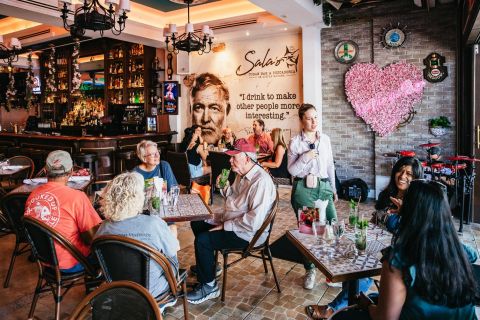
Experience the thriving culinary scene of Miami's Little Havana and enjoy tasty, authentic Cuban cuisine. Learn about local history and culture as...
from$70Check dates
6 editor-picked venezuelan restaurants across 5 cities.
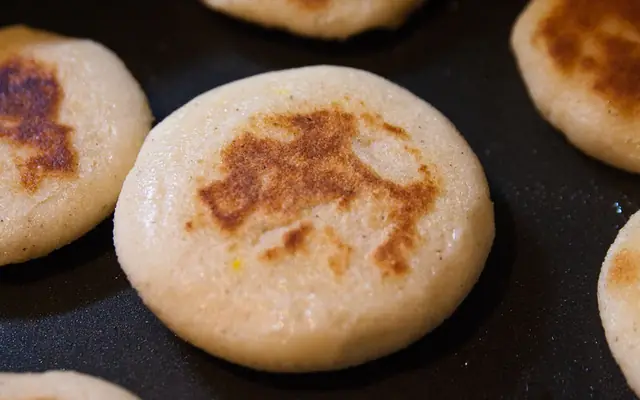
Venezuelan food is most easily understood through the arepa, the dense, slightly crisp, slightly soft cornmeal disc that is the country's most-eaten food. Unlike its Colombian cousin, which is usually thinner and eaten as a side, the Venezuelan arepa is split open like a pita and stuffed with a filling that names the sandwich: reina pepiada (chicken-avocado), pelua (shredded beef with cheese), domino (black beans with cheese), perico (eggs with tomato and onion), and dozens more. An arepera, the casual restaurant that does little else, is the Venezuelan equivalent of a noodle shop.
The other anchors are the pabellon criollo (the national plate of shredded beef, black beans, white rice, and fried plantain), the hallaca (the Christmas-only tamale wrapped in plantain leaf, with a beef-pork-chicken filling and olives, capers, raisins, almonds), the cachapa (a thick sweet-corn pancake folded around fresh white cheese), and the tequeno (cheese stick wrapped in fried dough, the national party snack). The cooking leans on plantain in green and ripe form, queso blanco, beef, and chile that is almost always fragrant rather than hot.
Venezuela's economic crisis since 2014 dispersed millions of Venezuelans across Latin America, North America, and Europe, and the unintended effect was the rise of Venezuelan restaurants in Bogota, Lima, Santiago, Madrid, Buenos Aires, Miami, and New York. Areperas now exist in cities that had no Venezuelan community a decade ago, and the cuisine is more visible internationally than it has ever been.
Tours, tastings and classes from the cities on this page, bookable on GetYourGuide.
Guided tour · 2h 30m
Experience the thriving culinary scene of Miami's Little Havana and enjoy tasty, authentic Cuban cuisine. Learn about local history and culture as...

Day trip · 9h 30m
Join your guide on an air-conditioned bus tour from Downtown Atlanta to Georgia's wine country. Enjoy 13 tastings at 3 local wineries. Experience a...
Guided tour · 3.5 hours
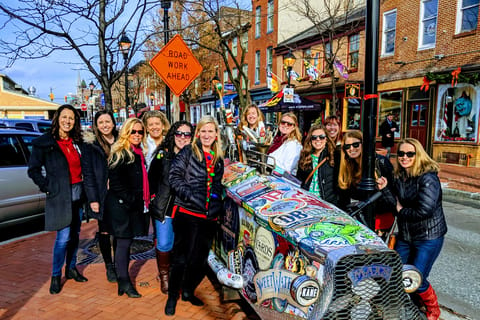
Fells Point is the wonderful historic Port of Baltimore. Enjoy small plates from local culinary gems! Learn some fun history, and enjoy spending the...

Day trip · 1 day
Escape Chicago for a relaxed day in Milwaukee with culture, food, and beer highlights, including the Harley-Davidson Museum, Public Market, lakefront...
The best-scored venezuelan place in each of 5 cities.
Arepa Mia in Avondale Estates runs an Atlanta-area Venezuelan kitchen that's 100 percent gluten-free: pabellon arepas, cachapas, empanadas, all locally.
OrderPabellon arepa with shredded beef, black beans and sweet plantain.
Why locals go100 percent gluten-free Venezuelan kitchen in Avondale Estates; chef-owner Lis Hernandez sources from Georgia farms but the suburban location keeps the city crowd away.
TipClosed Sunday and Monday. The pabellon arepa is the signature order; bring cash for tips at the counter.
Alma Cocina Latina in Station North is a rare Venezuelan fine-dining room, where chef Hector Romero plates arepas and roasted duck with guava jelly.
OrderAn arepa spread, then the roasted duck breast with guava.
Book1 week ahead
TipIt is one of the country's few Venezuelan tasting rooms; the rum and cocktail list runs deep.
Hola Arepa in Minneapolis runs the city's defining Venezuelan kitchen on Nicollet, with stuffed arepas, plantain bowls and tropical cocktails.
OrderPabellon arepa with shredded beef, black beans and plantain.
Why locals goChristina Nguyen and Birk Grudem's South Minneapolis arepa room sits well off the downtown circuit, three miles south of Loring Park.
TipBrunch lands Saturday and Sunday from 10:00; tropical rum punch is the order with the arepa plate. Book a Resy for Friday night.
El Arepazo Doral in Miami: venezuelan room. Twelve miles west of downtown in Doral's Venezuelan strip, this counter feeds the diaspora arepas.
Why locals goTwelve miles west of downtown in Doral's Venezuelan strip, this counter feeds the diaspora arepas off the Caracas template that South Beach hardly knows.
TipTry the Pelua with shredded beef and yellow cheese. Open early; the daily run starts at 7:30am from the gas-station storefront.
Anytime Arepa on East North Avenue on the East Side serves Venezuelan arepas with shredded beef, chicken and beans, run by Venezuelan family since 2022.
Why locals goA Venezuelan family-run arepa room on the East Side that locals fill weekday lunch but most visitors miss.
TipPabellon arepa with shredded beef, black beans, plantains and white cheese is the order.
Arepa Mia in Avondale Estates runs an Atlanta-area Venezuelan kitchen that's 100 percent gluten-free: pabellon arepas, cachapas, empanadas, all locally.
OrderPabellon arepa with shredded beef, black beans and sweet plantain.
Why locals go100 percent gluten-free Venezuelan kitchen in Avondale Estates; chef-owner Lis Hernandez sources from Georgia farms but the suburban location keeps the city crowd away.
TipClosed Sunday and Monday. The pabellon arepa is the signature order; bring cash for tips at the counter.
Alma Cocina Latina in Station North is a rare Venezuelan fine-dining room, where chef Hector Romero plates arepas and roasted duck with guava jelly.
OrderAn arepa spread, then the roasted duck breast with guava.
Book1 week ahead
TipIt is one of the country's few Venezuelan tasting rooms; the rum and cocktail list runs deep.
Hola Arepa in Minneapolis runs the city's defining Venezuelan kitchen on Nicollet, with stuffed arepas, plantain bowls and tropical cocktails.
OrderPabellon arepa with shredded beef, black beans and plantain.
Why locals goChristina Nguyen and Birk Grudem's South Minneapolis arepa room sits well off the downtown circuit, three miles south of Loring Park.
TipBrunch lands Saturday and Sunday from 10:00; tropical rum punch is the order with the arepa plate. Book a Resy for Friday night.
Arepa Grill on Atlanta's Buford Highway runs Venezuelan arepas under $13: pabellon with shredded beef, sweet plantain, cheese, plus deep-fried churros.
TryVenezuelan arepas with stewed meats
TipOrder the pabellon arepa: shredded beef, black beans, sweet plantain, cheese. The fried churros come three to an order.
El Arepazo Doral in Miami: venezuelan room. Twelve miles west of downtown in Doral's Venezuelan strip, this counter feeds the diaspora arepas.
Why locals goTwelve miles west of downtown in Doral's Venezuelan strip, this counter feeds the diaspora arepas off the Caracas template that South Beach hardly knows.
TipTry the Pelua with shredded beef and yellow cheese. Open early; the daily run starts at 7:30am from the gas-station storefront.
Anytime Arepa on East North Avenue on the East Side serves Venezuelan arepas with shredded beef, chicken and beans, run by Venezuelan family since 2022.
Why locals goA Venezuelan family-run arepa room on the East Side that locals fill weekday lunch but most visitors miss.
TipPabellon arepa with shredded beef, black beans, plantains and white cheese is the order.
 Atlanta2 places
Arepa Mia, Arepa Grill
Atlanta2 places
Arepa Mia, Arepa Grill
 Baltimore1 place
Alma Cocina Latina
Baltimore1 place
Alma Cocina Latina
 Miami1 place
El Arepazo Doral
Miami1 place
El Arepazo Doral
 Milwaukee1 place
Anytime Arepa
Milwaukee1 place
Anytime Arepa
 Minneapolis1 place
Hola Arepa
Minneapolis1 place
Hola Arepa
At an arepera, the menu is a list of fillings. The standard order is one arepa per person to start (they are substantial), plus a tequeno or two as a snack and a fresh juice or batido. Reina pepiada is the diagnostic arepa: if the chicken-avocado salad is moist, well-seasoned, and the corn shell is properly griddled (crisp outside, fluffy inside), the rest of the menu will follow.
At a sit-down Venezuelan restaurant, pabellon criollo is the must-order for a first visit. Cachapa is a separate course, often a breakfast or weekend special. Hallacas are a December-only item in Venezuela; outside Venezuela, diasporic restaurants sometimes serve them year-round. The drinks list usually emphasizes batidos (fruit smoothies, often with milk), papelon con limon (panela-and-lime water, the national soft drink equivalent), and chicha (sweetened rice or oat milk drink). The mistake is asking for spicy: Venezuelan cooking is generally mild, with chiles (aji dulce) used for flavor, not heat.
Rum is the national spirit, with Pampero, Diplomatico, Santa Teresa, and Cacique among the world's most-awarded aged rums (Venezuela has a stronger claim than most countries to making the best aged rum). Polar Beer is the national lager and was for decades the country's largest private employer. Papelon con limon and chicha are the universal non-alcoholic pours. Venezuelan coffee (cafe con leche, marron, guayoyo) has a serious tradition and is part of the daily rhythm. Wine is not Venezuelan; restaurants tend to import Chilean, Argentine, and Spanish bottles.
In Venezuela, Caracas was historically the country's food capital, with rooms like Alto and Moreno's projects on the fine-dining end and thousands of areperas at street level. The 2014-onward economic crisis dispersed the cuisine internationally. Today the easiest cities to eat serious Venezuelan food are Miami (the largest diaspora outside Venezuela), Bogota, Madrid, Buenos Aires, Lima, Santiago, and New York. Doha, Houston, and Panama City are also significant. Outside Venezuela, an arepera is the most-likely format you'll encounter; sit-down Venezuelan rooms with pabellon, asado negro, and the full repertoire are rarer.
Venezuelan cuisine descends from indigenous Carib and Arawak cooking (corn, cassava, beans, fish), Spanish colonial introductions (beef, pork, rice, cheese), and African contributions through the slave trade (plantain preparations, slow braises). The arepa predates Spanish arrival. The hallaca, the layered Christmas tamale, is widely understood as a colonial-era fusion: the cornmeal dough is indigenous, the meat-and-olive-and-raisin filling is European. UNESCO has not formally inscribed Venezuelan cuisine, but the diaspora has made it one of the most-spread Latin American cuisines internationally.
Venezuelan arepas are thicker, split open, and stuffed like a pita; the filling defines the sandwich. Colombian arepas are typically thinner, often grilled or fried, eaten as a side or topped (not stuffed). The Venezuelan reina pepiada and the Colombian arepa con queso are different things.
The most-iconic Venezuelan arepa filling: shredded chicken, avocado, mayonnaise, sometimes peas or onion. Created in Caracas in 1955 to celebrate Miss World Susana Duijm; the name means 'curvy queen.'
No, generally mild. Aji dulce, a small fragrant chile (no heat) is the workhorse Venezuelan chile. Hot sauces (salsa picante) are on the table as condiments but the food is not heat-driven.
More cities are in research. Want venezuelan covered somewhere specific? Tell us where you want to eat.