.JPG)
Valencia
Guided tour · 4 hours
Authentic Valencian Paella Cooking Class
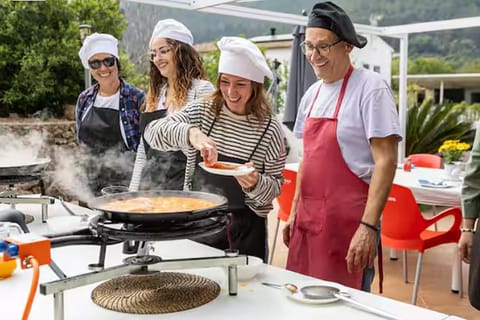
Immerse yourself in the tradition, aromas, and flavors of paella with an experience that goes beyond the kitchen: it's a journey to the heart of...
from€69Check dates
38 editor-picked valencian restaurants across 4 cities.
Valencia is where paella was invented, where bomba rice is grown, and where the Spanish rice culture has its deepest roots. The region sits on the Mediterranean coast south of Catalonia and west of the Balearics, with the Albufera lagoon producing the rice and the surrounding huerta (irrigated market garden) producing the citrus, tomatoes, peppers, and vegetables that feed the regional kitchen. The Moors built the irrigation network that still runs the huerta; the rice they introduced in the 8th century became the regional staple.
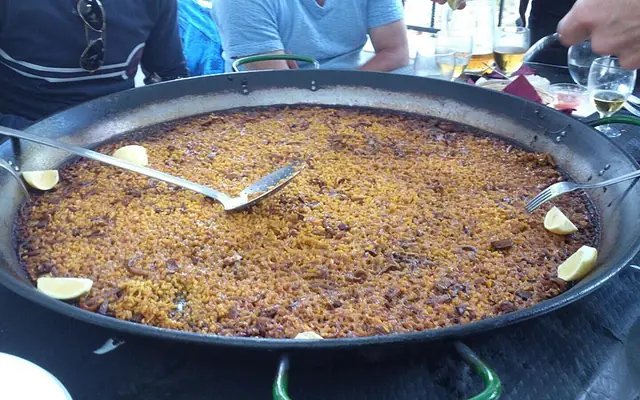
The cooking grammar is rice, olive oil, garlic, tomato, saffron, paprika, and whatever protein the season produced. Paella valenciana, the original 18th-century farmer's dish, uses rabbit, chicken, snails, green beans, and white garrofo beans cooked over an open fire in a wide flat steel pan (the paellera, which gave the dish its name). The rice forms a thin, even, slightly caramelized layer on the bottom called the socarrat, which is the cook's signature. Seafood paella, arroz negro (with squid ink), arroz a banda (rice cooked in fish stock, served separately from the fish), arroz al horno (oven-baked rice with chickpeas and pork), and fideua (the same dish with thin noodles instead of rice) all branch from the same tradition.
At the table, paella is a midday dish, eaten at lunch on Sundays and weekends in family or group settings. A proper paella for two takes 25-35 minutes and is shared straight from the pan. Horchata (a cold drink of tigernuts, sugar, and water) and fartons (sweet glazed pastries) are the regional breakfast and afternoon snack.
Tours, tastings and classes that match this page, bookable on GetYourGuide.
Guided tour · 4 hours
Immerse yourself in the tradition, aromas, and flavors of paella with an experience that goes beyond the kitchen: it's a journey to the heart of...
Guided tour · 3 hours
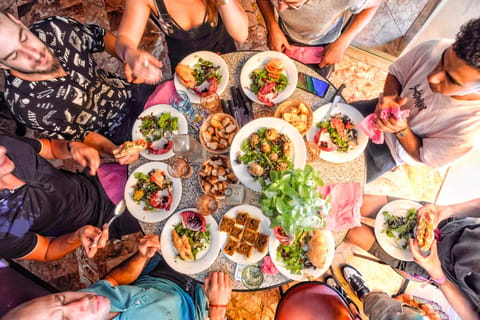
Immerse yourself in Nice's outstanding food culture as you savor the taste of some of its best food. Whet your appetite with some of the city's best...

Guided tour · 3h 30m
Discover Granada's traditional dishes, products, and hidden treasures on a walking tour. Visit family-run businesses, tapas bars, restaurants, and...
Guided tour · 3 hours
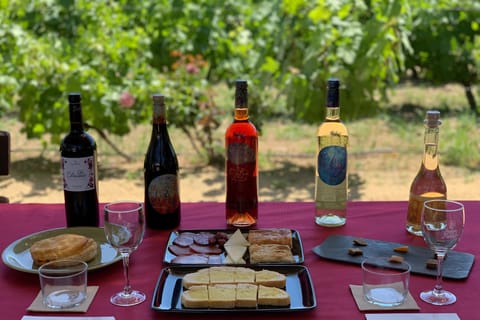
Discover the flavors of Alicante on a guided tour of a family-owned winery with a friendly host. Try five wines with local snacks, including cheeses,...
The best-scored valencian place in each of 4 cities.
Casa Montana (Cabanyal): 1836 tile-bar tavern in the fishing-village Cabanyal that tourist itineraries miss, with a 1,500-bottle wine cellar.
OrderEsgarraet plate and a glass of barrel-bobal.
Why locals go1836 tile-bar tavern in the fishing-village Cabanyal that tourist itineraries miss, with a 1,500-bottle wine cellar.
TipReserve ahead. The wine list runs deep into Valencian small producers.
La Fava is Fran Burgos's 25-seat house in Benidorm's old town, giving coastal Alicante dishes a modern turn; it won the 2026 Benidorm tapas contest.
OrderThe bluefin tuna belly when it is on, or one of the rice dishes for two.
TipThe whitewashed house sits a few streets back from Levante beach and seats about 25, so book a table by phone first.
La Bella y La Bestia on Carcel Baja in Granada delivers the citys largest free tapa: croquetas, berenjenas, paella the size of a starter on every drink.
TryOversized free tapa
TipDrinks are 50 cents above the citys baseline to subsidise the tapa size; the maths still works.
Le Boccaccio on Rue Massena in Nice's pedestrian Carre d'Or runs a 17th century sailing ship interior across two floors, seafood and paella from a big.
OrderThe bouillabaisse for two and the paella for three; the family tables run them in tandem.
TipOpen 12:00-22:30 daily; the terrace is the dining room. Family sized portions for sharing.
Casa Montana (Cabanyal): 1836 tile-bar tavern in the fishing-village Cabanyal that tourist itineraries miss, with a 1,500-bottle wine cellar.
OrderEsgarraet plate and a glass of barrel-bobal.
Why locals go1836 tile-bar tavern in the fishing-village Cabanyal that tourist itineraries miss, with a 1,500-bottle wine cellar.
TipReserve ahead. The wine list runs deep into Valencian small producers.
Casa Carmela on the Malvarrosa beachfront in Valencia has cooked wood-fired paellas to order since 1922, with a 20-strong rice repertoire and a lunch-only.
OrderThe paella valenciana cooked over orange-wood embers, ordered when you book.
TipBook three weeks ahead for weekend lunch. Lunch only Tue to Sat 13:00-16:00; no dinner.
La Fava is Fran Burgos's 25-seat house in Benidorm's old town, giving coastal Alicante dishes a modern turn; it won the 2026 Benidorm tapas contest.
OrderThe bluefin tuna belly when it is on, or one of the rice dishes for two.
TipThe whitewashed house sits a few streets back from Levante beach and seats about 25, so book a table by phone first.
Rice is a rice house on the Sierra Cortina estate above Benidorm, in Finestrat, cooking seven rices plus fideuà and rossejat, with grilled red prawns first.
OrderArroz de gamba roja y corvina for two, after a grilled red prawn each.
TipRice dishes are for at least two and the kitchen cooks one rice per table; dinner runs only on Friday and Saturday, so plan a long lunch.
Casa Roberto on Carrer del Mestre Gozalbo in Valencia's Eixample has cooked Roberto Aparicio's traditional paellas since 1986, with a long chef's record.
OrderThe paella valenciana ordered ahead, with the croquetas and salmorejo to start.
TipClosed Monday all day and Sunday evenings. Reserve 48 hours ahead for paella; the dining room is small.
La Bella y La Bestia on Carcel Baja in Granada delivers the citys largest free tapa: croquetas, berenjenas, paella the size of a starter on every drink.
TryOversized free tapa
TipDrinks are 50 cents above the citys baseline to subsidise the tapa size; the maths still works.
Ongi Etorri Manolo 1 has fed Poniente beach in Benidorm since 1968, a family house cooking arroz a banda, paella, bay fish and Basque-style hake by the sea.
OrderArroz a banda for two, or the merluza a la vasca the house calls its signature.
TipThe kitchen runs straight through from noon, so a late lunch after the beach is easy; rice dishes are for a minimum of two.
Le Boccaccio on Rue Massena in Nice's pedestrian Carre d'Or runs a 17th century sailing ship interior across two floors, seafood and paella from a big.
OrderThe bouillabaisse for two and the paella for three; the family tables run them in tandem.
TipOpen 12:00-22:30 daily; the terrace is the dining room. Family sized portions for sharing.
 Valencia23 places
Casa Montana (Cabanyal), Casa Carmela
Valencia23 places
Casa Montana (Cabanyal), Casa Carmela
 Benidorm12 places
La Fava, Rice
Benidorm12 places
La Fava, Rice
 Nice2 places
Le Boccaccio
Nice2 places
Le Boccaccio
 Granada1 place
La Bella y La Bestia
Granada1 place
La Bella y La Bestia
Paella valenciana, all i pebre (eel stew), arroz a la zamorana, the bomba and senia rice fields of the Albufera. The historic rice country and the home of Bar Pinotxo-tier rice bars: Casa Roberto, Casa Carmela, La Pepica.
Arroz a banda (rice in fish stock, served separately from the fish), arroz negro, fideua. Alicante's rice culture is distinct from Valencia's, with a richer fish-stock base. Quique Dacosta's three-star restaurant in Denia anchors the modern scene.
Olla de la Plana (vegetable-and-meat stew), arroz al horno, the more inland mountain dishes. Less coastal, more pastoral.
Order paella at lunch, not dinner. Restaurants that serve paella at any hour are tourist traps; locals eat paella between 1:30 and 3:30pm. Order for a minimum of two, allow 30-35 minutes, and ask for paella valenciana (the original) rather than paella mixta (the mixed seafood-and-meat version, which Valencians consider a tourist invention). The rice should be a thin even layer with a slight socarrat (caramelized crust) on the bottom; a deep, soupy, risotto-like rice is wrong. Eat from the edge of the pan inward.
The rookie mistakes: ordering paella at 8pm (it's a midday dish), asking for chorizo in the paella (cause for genuine offence; chorizo was added by Jamie Oliver in 2016 and Valencia has not forgiven him), expecting one-person servings (paella is shared from the pan), and ordering at a beachfront tourist place displaying a giant frozen paella photo (almost certainly reheated).
Local Valencian wine: Bobal and Monastrell-based reds from Utiel-Requena and Yecla, plus fresh Mediterranean whites from Alicante (Moscatel). Sangria is a tourist drink; locals drink rose or white wine with paella. Beer (Estrella de Levante or Amstel) is the casual default. Horchata and fartons in the afternoon (not with paella). Coffee solo at the end of the meal; mistela (sweet Mediterranean fortified wine) or licor de hierbas as digestif.
Valencia city for traditional paella (Casa Carmela, Casa Roberto, La Pepica, Restaurante Levante) and the Mercado Central; Alicante and Denia for Quique Dacosta and the southern rice culture; the Albufera lagoon villages (El Palmar, Catarroja) for the most rustic rice tradition. Outside Valencia: Madrid (Casa Lucio, La Barraca), Barcelona (Cal Boter, 7 Portes for the historic Catalan-style paella), and tourist beach towns across the Mediterranean coast.
Rice was introduced to Valencia by the Moors in the 8th century along with the irrigation network (acequias) that still feeds the Albufera lagoon and the surrounding huerta. Paella as a dish dates to the mid-18th century, when farmers in the Albufera cooked rice with whatever proteins were on the farm (rabbit, chicken, garden vegetables, snails, eel) in a wide flat pan over an open fire. The name comes from the Latin patella (pan). The dish industrialized as Valencian cuisine spread across Spain in the 20th century.
Not in Valencian paella, no. The 2016 Jamie Oliver chorizo-paella incident sparked national outrage in Spain and a long-running internet meme. Valencian paella is rabbit, chicken, beans, and snails over rice; chorizo is a Castilian sausage that has no place in the dish.
A short-grain Spanish rice variety grown in Valencia, Calasparra, and parts of the Ebro Delta. Bomba absorbs three times its volume in liquid without breaking down, which is what makes paella work; it stays separated rather than going creamy like risotto rice.
Paella has the meat or seafood cooked in the same pan as the rice. Arroz a banda separates them: the fish makes a stock, the rice cooks in the stock, the fish is served on a separate plate. Arroz a banda is an Alicante tradition; paella is Valencian.
More cities are in research. Want valencian covered somewhere specific? Tell us where you want to eat.