_1.jpg)

Seattle
Guided tour · 2 hours
Seattle: Pike Place Market Chef-Guided Food Tour
Embark on a culinary tasting tour of Pike Place Market with a local chef. Stop at 9 artisanal vendors and learn about local food producers as you...
from$75Check dates
The Puget Sound clam with a foot-long siphon that locals pronounce gooey-duck. Sliced sashimi-thin at Maneki and Sushi Kashiba; cracked into chowder at Pike Place.
Where to eat it: 3 restaurants across 1 city.
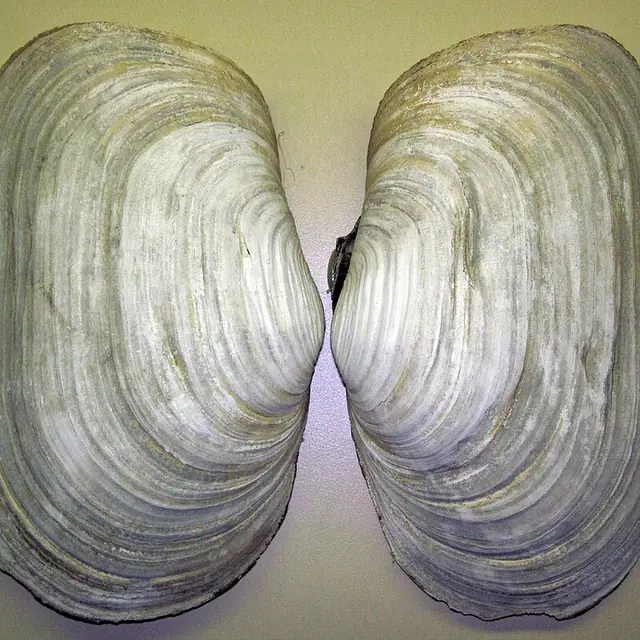
Geoduck is the world's largest burrowing clam, native to the tidal flats of Puget Sound, Hood Canal and British Columbia. The Coast Salish dug it at low tide for millennia. The first state commercial harvest opened in 1970, sold to Japan and Hong Kong where the siphon is prized for raw and hot-pot cookery; the Washington fishery is now worth 80 million dollars a year. The clam can live 165 years and weighs 1 to 3 kilograms. In Seattle, sushi bars like Maneki and Sushi Kashiba slice the siphon paper-thin for nigiri called mirugai.
Tours, tastings and classes from the cities on this page, bookable on GetYourGuide.
Guided tour · 2 hours
Embark on a culinary tasting tour of Pike Place Market with a local chef. Stop at 9 artisanal vendors and learn about local food producers as you...

Guided tour · 2 hours
Choose a 2-hour express or 3-hour full Boston food tour. Taste clam chowder, arancini, brick oven pizza, cannoli, and more while exploring the North...
Guided tour · 2 hours
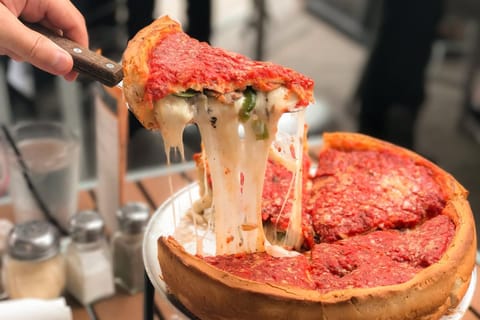
Taste some of Chicago's most iconic foods while walking through one of the Prohibition Era’s most fashionable and notorious gangster-ridden...
Guided tour · 2.5 hours
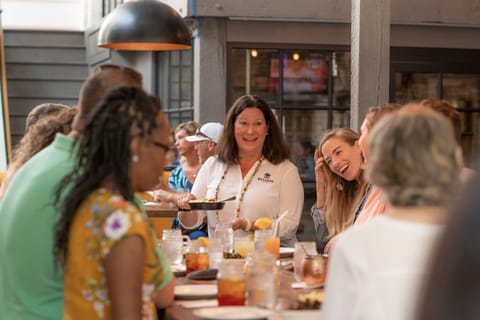
Experience the flavors of Charleston with the help of local guides. Delve into over 300 years of culinary history as you taste your way through the...
Common allergens: Shellfish
Tip from the editors. Geoduck flesh firms within two hours of being shucked. Buy it live, prep it in the next hour, eat it within four. The crunch is the entire point.
Sushi Kashiba in Seattle's Pike Place is Shiro Kashiba's omakase counter: the chef who opened Seattle's first sushi bar in 1970, still running the pass at 86.
Book3 weeks for bar seats ahead
Maneki in Seattle's International District is the oldest Japanese restaurant on the West Coast: opened in 1904, surviving wartime internment.
OrderThe geoduck sashimi if it is on the board, otherwise the chef's nigiri set with a tatami room.
TipReserve a tatami room four to six weeks ahead; the bar runs walk-in but the room shapes the meal.
Taylor Shellfish Oyster Bar in Seattle's Pioneer Square is the on-counter outpost of the 135-year Samish Bay farm: half-shells, geoduck crudo, manila clams.
OrderA dozen Olympias and Kumamotos from the farm, with a glass of grower's Champagne.
TipHappy hour 16:00-17:00 drops the oysters to $1.75 each; the Occidental location is the largest and quietest of the three.
More cities are in research. Want geoduck covered somewhere specific? Tell us where you want to eat.