Signature dishes
Whole packer brisket seasoned with coarse salt and black pepper, smoked over post-oak for 12 to 16 hours until the bark turns deep mahogany. Sliced on butcher paper at Fort Worth BBQ joints.
Where: Heim Barbecue, Goldee's Barbecue, Panther City BBQ, Angelo's Barbecue
Price: $18-$28 per pound
Corn tortillas filled with sharp yellow cheddar, rolled and blanketed in a brick-red chili gravy made from dried chiles, beef tallow, and beef broth. Served with rice and refried beans in Fort Worth.
Where: Joe T. Garcia's, Esperanza's
Price: $12-$18
A tenderised cube steak dredged in seasoned flour, fried until the crust is crackle-crisp, and smothered in a peppered white cream gravy. A Fort Worth diner staple served with mashed potatoes since 1926.
Where: Paris Coffee Shop, Cattlemen's Steakhouse, Fred's Texas Cafe
Price: $14-$22
Bone-in beef plate ribs weighing up to 400 g each, seasoned with salt and pepper and smoked over post-oak until the collagen fully renders and the meat pulls back from the bone. Served whole at Fort Worth pits.
Where: Heim Barbecue, Panther City BBQ, Woodshed Smokehouse
Price: $22-$38 per rib
Coarse-ground beef sausage studded with fresh jalapeño and cheddar cubes, smoked over post-oak until the casing snaps and the cheese pockets melt through the meat. A Fort Worth BBQ counter staple.
Where: Heim Barbecue, Goldee's Barbecue, Woodshed Smokehouse
Price: $6-$10 per link
A half-pound fresh-ground beef patty pressed thin on a flat-top, served on a soft bun with mustard, raw white onion, pickles, and American cheese. The Fort Worth counter-burger tradition since Kincaid's opened in 1946.
Where: Kincaid's Hamburgers, Fred's Texas Cafe
Price: $8-$14
Hand-rolled masa filled with slow-braised pork or beef in red chile sauce, wrapped in corn husks and steamed until the dough is tender and separates cleanly from the husk.
Where: Esperanza's, Reata Restaurant
Price: $3-$5 each
Scrambled eggs with Mexican chorizo and cheddar folded into a fresh flour tortilla, served with salsa verde at Fort Worth taquerias before sunrise. A Near Northside daily staple at Esperanza's on North Main.
Where: Esperanza's, Joe T. Garcia's
Price: $3-$6 each
Sliced fresh Texas peaches in a cinnamon-spiced syrup baked under a thick drop-biscuit crust, served warm with vanilla ice cream. Made with Parker County peaches at Fort Worth BBQ joints and diners through summer.
Where: Panther City BBQ, Paris Coffee Shop, Ellerbe Fine Foods
Price: $6-$12
A heritage mole negro of charred dried chiles, Mexican chocolate, almonds, and charred tortilla cooked for three days, served over slow-braised duck leg at Don Artemio in Fort Worth's West 7th neighbourhood.
Where: Don Artemio
Price: $28-$42
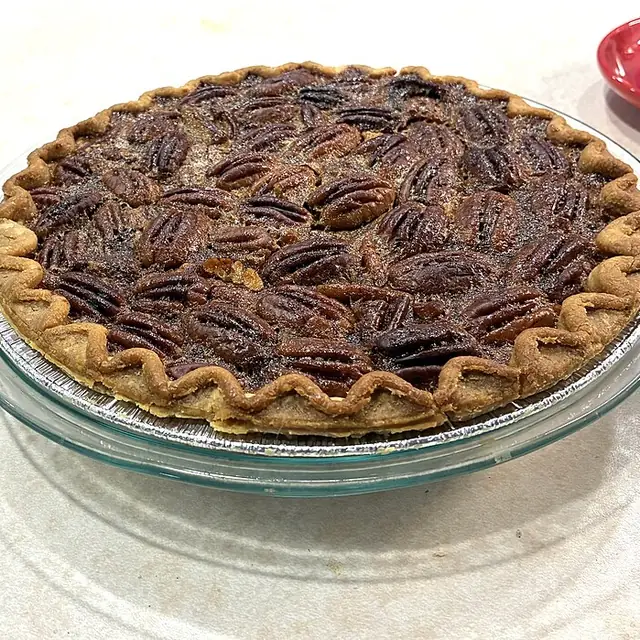
A deep-fill pecan pie with whole toasted Texas pecans in a bourbon-spiked brown sugar and corn syrup custard, baked in a flaky lard crust until the centre holds with a slight tremor. A Fort Worth dessert constant.
Where: Kincaid's Hamburgers, Cattlemen's Steakhouse, Bonnell's Fine Texas Cuisine
Price: $6-$12 per slice
The deckle point of a smoked brisket cubed, tossed in a thin spiced butter sauce, and returned to the smoker until each piece is deeply lacquered with a caramelised crust.
Where: Heim Barbecue, Panther City BBQ, Goldee's Barbecue
Price: $18-$28 per half-pound
A bag of Fritos corn chips slit open and filled with Texas red chili without beans, shredded cheddar, diced white onion, and pickled jalapeños.
Where: Reata Restaurant, Woodshed Smokehouse
Price: $8-$14
Fort Worth Texas smoked brisket
Whole packer brisket seasoned with coarse salt and black pepper, smoked over post-oak for 12 to 16 hours until the bark turns deep mahogany. Sliced on butcher paper at Fort Worth BBQ joints.
History: Fort Worth's brisket tradition grows directly from the cattle-drive era, when the Stockyards were the commercial hub for millions of head moving north along the Chisholm Trail. Pit operators near the Exchange Avenue stockpens smoked working-class cuts, including the brisket, over local post-oak and pecan wood as an economical way to feed railroad workers and drovers. The style evolved in parallel with Central Texas, keeping the same salt-and-pepper bark but developing inside a honky-tonk, Stockyards-adjacent culture that prizes portion size and smoke depth over refinement.
Where to try it: Heim Barbecue, Goldee's Barbecue, Panther City BBQ, Angelo's Barbecue
Fort Worth Tex-Mex cheese enchiladas with chili gravy
Corn tortillas filled with sharp yellow cheddar, rolled and blanketed in a brick-red chili gravy made from dried chiles, beef tallow, and beef broth. Served with rice and refried beans in Fort Worth.
History: Tex-Mex cheese enchiladas with chili gravy trace back to the early twentieth century, when Mexican-American restaurateurs in Dallas and Fort Worth adapted interior Mexican cooking to the palates of Anglo ranch workers and cattlemen. The chili gravy format, distinct from mole or tomatillo sauce, became the dominant style across the DFW metroplex and defined the combination-plate era of Texas Mexican restaurants. Joe T. Garcia's, open since 1935 in Fort Worth's Near Northside, kept the tradition alive through the postwar decades, offering a simple fixed menu of enchiladas or fajitas served on the same sprawling garden patio where generations of Fort Worth families have marked milestones.
Where to try it: Joe T. Garcia's, Esperanza's
Watch out for: Gluten, Dairy
Fort Worth chicken fried steak with cream gravy
A tenderised cube steak dredged in seasoned flour, fried until the crust is crackle-crisp, and smothered in a peppered white cream gravy. A Fort Worth diner staple served with mashed potatoes since 1926.
History: Chicken fried steak arrived in Texas kitchens with Central European settlers in the nineteenth century, adapting the schnitzel technique to the abundant tougher beef cuts available on the cattle frontier. The name comes from the frying method, identical to Southern fried chicken, applied to steak. In Fort Worth, the dish became the benchmark plate of the working-class diner tradition, codified at counters along Magnolia Avenue and Camp Bowie that fed the city's post-war blue-collar workforce. Paris Coffee Shop on Magnolia Avenue has served the same cream-gravy version since 1926, and it remains the dish by which Fort Worth visitors judge the authenticity of the city's diner culture.
Where to try it: Paris Coffee Shop, Cattlemen's Steakhouse, Fred's Texas Cafe
Watch out for: Gluten, Dairy, Egg
Fort Worth Texas BBQ beef ribs
Bone-in beef plate ribs weighing up to 400 g each, seasoned with salt and pepper and smoked over post-oak until the collagen fully renders and the meat pulls back from the bone. Served whole at Fort Worth pits.
History: Beef plate ribs occupy a separate place in the Texas BBQ tradition from pork spare ribs, favouring the massive cut from ribs six, seven, and eight rather than the pork-centric style common in the American South. Fort Worth pitmasters adopted the beef rib as the showpiece cut, partly because the city's Stockyards heritage made beef the prestige protein and partly because the long cook time rewarded the patience that post-oak smoking demands. Heim Barbecue brought the style to Fort Worth prominence when it opened in 2015, earning Texas Monthly honours and attracting guests who drove hours specifically for the house beef ribs.
Where to try it: Heim Barbecue, Panther City BBQ, Woodshed Smokehouse
Fort Worth smoked jalapeño cheddar sausage
Coarse-ground beef sausage studded with fresh jalapeño and cheddar cubes, smoked over post-oak until the casing snaps and the cheese pockets melt through the meat. A Fort Worth BBQ counter staple.
History: Smoked sausage entered the Texas BBQ tradition through the Central Texas meat-market culture of Czech and German immigrants, who brought their wurst-making knowledge to the Hill Country and built an unbroken link between European charcuterie and Texas pit cooking. The jalapeño-cheddar variation evolved as a distinctly Texan adaptation, folding the state's signature fresh chile into the sausage grind alongside tangy cheddar that melts into pockets during the smoke. Fort Worth pitmasters adopted the style with enthusiasm, and Heim Barbecue's jalapeño cheddar link became one of the most talked-about items on their menu.
Where to try it: Heim Barbecue, Goldee's Barbecue, Woodshed Smokehouse
Watch out for: Dairy
Fort Worth Cowtown burger
A half-pound fresh-ground beef patty pressed thin on a flat-top, served on a soft bun with mustard, raw white onion, pickles, and American cheese. The Fort Worth counter-burger tradition since Kincaid's opened in 1946.
History: The Cowtown burger traces directly to Kincaid's Hamburgers on Camp Bowie Boulevard, which began life as a grocery store butcher shop in 1946. When supermarkets made grocery-butcher shops obsolete, the Kincaid family pivoted to selling burgers from the same butcher block, grinding fresh beef daily and pressing patties on a flat-top behind the counter. The result became one of Texas Monthly's best burgers in the state, drawing visitors who came specifically for a simple half-pounder with no frills beyond mustard, onion, and pickles.
Where to try it: Kincaid's Hamburgers, Fred's Texas Cafe
Watch out for: Gluten, Dairy
Fort Worth tamales
Hand-rolled masa filled with slow-braised pork or beef in red chile sauce, wrapped in corn husks and steamed until the dough is tender and separates cleanly from the husk.
History: Tamales in Fort Worth are woven into the Near Northside neighbourhood's Mexican-American identity, a community that built up around the Stockyards in the late nineteenth and early twentieth centuries as Mexican labourers arrived to work the meatpacking trade. Home tamale-making was a communal tradition, particularly around Christmas and Dia de los Muertos, when extended families gathered for tamaladas, the collective steaming sessions that produced hundreds of tamales at once. Esperanza's Restaurant and Bakery on North Main Street became the institutional guardian of this tradition, keeping the house masa recipe and braised filling consistent across decades of operation.
Where to try it: Esperanza's, Reata Restaurant
Watch out for: Gluten
Fort Worth breakfast tacos
Scrambled eggs with Mexican chorizo and cheddar folded into a fresh flour tortilla, served with salsa verde at Fort Worth taquerias before sunrise. A Near Northside daily staple at Esperanza's on North Main.
History: Breakfast tacos in Fort Worth developed within the city's large Mexican-American community, concentrated around the Near Northside and Stockyards area since the meatpacking era of the late 1800s. Unlike the Austin breakfast taco, which gained national food-media attention in the 2010s, Fort Worth's version remained rooted in neighbourhood taquerias and Mexican bakeries that opened at dawn to serve workers before the city's warehouses and packing plants started for the day. Esperanza's on North Main has sold breakfast tacos since before the term became a food-media category, and the pattern of lard-enriched flour tortillas filled with egg and chorizo remains the dominant format.
Where to try it: Esperanza's, Joe T. Garcia's
Watch out for: Gluten, Dairy, Egg
Texas peach cobbler with Parker County peaches
Sliced fresh Texas peaches in a cinnamon-spiced syrup baked under a thick drop-biscuit crust, served warm with vanilla ice cream. Made with Parker County peaches at Fort Worth BBQ joints and diners through summer.
History: Parker County, directly west of Fort Worth, has grown peaches commercially since German settlers planted the first orchards in the 1870s. The warm, dry Weatherford-area climate and well-drained sandy soils produce a distinctively sweet, low-acid freestone peach that ripens between June and August. Fort Worth restaurants adopted Parker County peaches as a civic point of pride, and the cobbler became the region's signature dessert, appearing on menus at BBQ joints, diners, and steak houses throughout the summer season. Panther City BBQ made their peach cobbler one of the most-discussed items on their menu, drawing visitors who timed trips to catch the dessert fresh from the pit oven.
Where to try it: Panther City BBQ, Paris Coffee Shop, Ellerbe Fine Foods
Watch out for: Gluten, Dairy, Egg
Don Artemio-style mole negro with duck
A heritage mole negro of charred dried chiles, Mexican chocolate, almonds, and charred tortilla cooked for three days, served over slow-braised duck leg at Don Artemio in Fort Worth's West 7th neighbourhood.
History: Mole negro is the most labour-intensive dish in the Mexican kitchen, requiring the charring and grinding of multiple dried chile varieties alongside sesame, almonds, charred tortilla, Mexican chocolate, and spices into a paste that cooks slowly for hours. The dish traces to Oaxacan and Pueblan haute cuisine traditions, where it was reserved for celebrations and feast days. Don Artemio, which opened in Fort Worth in 2022 to bring refined northern Mexican cooking to the DFW market, created one of the few North Texas destinations where a true mole negro is available without flying to Oaxaca.
Where to try it: Don Artemio
Watch out for: Tree Nuts, Sesame, Gluten
Texas pecan pie
A deep-fill pecan pie with whole toasted Texas pecans in a bourbon-spiked brown sugar and corn syrup custard, baked in a flaky lard crust until the centre holds with a slight tremor. A Fort Worth dessert constant.
History: Pecan pie is a Texas institution tied to the state's designation of the pecan as its official state tree in 1919 and to the abundant wild pecan groves along Texas river bottoms that predated commercial orchards. The dessert reached its definitive form in the early twentieth century when Karo syrup became widely available and provided the standard custard base that still defines the genre. In Fort Worth, the pecan pie tradition is reinforced by proximity to the pecan-growing heartland of Palo Pinto and Comanche counties to the southwest, as well as the Millican Pecan Company in San Saba, which supplies roasters and bakers across North Texas.
Where to try it: Kincaid's Hamburgers, Cattlemen's Steakhouse, Bonnell's Fine Texas Cuisine
Watch out for: Gluten, Dairy, Egg, Tree Nuts
Fort Worth BBQ brisket burnt ends
The deckle point of a smoked brisket cubed, tossed in a thin spiced butter sauce, and returned to the smoker until each piece is deeply lacquered with a caramelised crust.
History: Burnt ends emerged as a byproduct of the Kansas City barbecue tradition, where pitmasters sold the trimmed, charred outer pieces from smoked briskets to customers waiting at the counter. The style moved south into Texas as pitmasters recognised that the deckle point of the brisket, with its higher fat content and irregular surface area, created more bark per bite than the leaner flat and rewarded a second pass in the smoker. Fort Worth pitmasters adapted the technique without the Kansas City sweet sauce, keeping the seasoning close to the original salt-and-pepper bark and relying on the rendered beef fat rather than added sugar to achieve the lacquer.
Where to try it: Heim Barbecue, Panther City BBQ, Goldee's Barbecue
Fort Worth Frito pie
A bag of Fritos corn chips slit open and filled with Texas red chili without beans, shredded cheddar, diced white onion, and pickled jalapeños.
History: Frito pie's Texas origin is contested between Fort Worth, San Antonio, and New Mexico, but the Texas version is unambiguous in format: Fritos, Texas red chili with no beans, and cheese, eaten from the bag. Daisy Dean Doolin, mother of Frito Company founder C.E. Doolin, is credited with the original recipe, and the Frito Company was founded in San Antonio in 1932 before operations expanded to Dallas. The dish spread through school cafeterias and concession stands across North Texas during the 1950s and 1960s, becoming the definitive half-time and high-school game-day food at Fort Worth schools and TCU tailgates.
Where to try it: Reata Restaurant, Woodshed Smokehouse
Watch out for: Gluten, Dairy