Guided tour · 3 hours
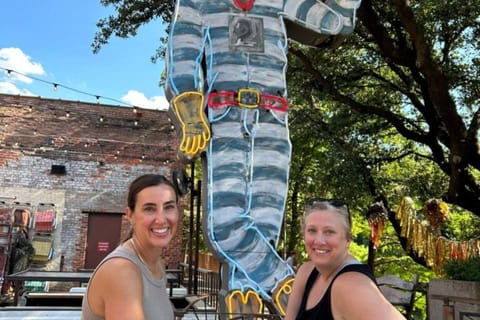
Fort Worth Stockyards Foodie Tour with Food Tours of America
Taste the Fort Worth Stockyards on a guided walking tour with bites, dessert, history stories, and a final stop at Second Rodeo Brewing.
from$135 Check dates
How Fort Worth came to eat the way it does: the people, migrations and accidents that shaped the plate.
How Fort Worth came to eat the way it does: the people, migrations and accidents that shaped the plate.
Fort Worth earned its nickname Cowtown as the last major stop on the Chisholm Trail before cattle drives north to Kansas railheads. Drovers and wranglers ate from open-fire chuck wagons loaded with sourdough biscuits, dried pinto beans, salted beef, and black coffee -- a utilitarian diet that became the template for Texas ranch cooking.
When the Fort Worth Stockyards opened formally in 1890 and Swift and Armour established their meatpacking operations shortly after, the city became one of the busiest livestock markets in the American Southwest. Meatpacking workers from Czech, German, and Mexican communities formed the neighbourhood taquerias and bakeries that still anchor the North Main corridor today.
The postwar decades brought the diner era to Fort Worth's expanding residential grid, with drive-ins and pancake houses serving the families moving into new subdivisions west and south of downtown. Ol' South Pancake House opened on University Drive in 1962 and has run continuously ever since.
Kincaid's Hamburgers, operating out of a former grocery store on Camp Bowie Boulevard since 1946, rose to national prominence in the 1980s and 1990s as critics and food writers declared its half-pound patty one of the finest burgers in Texas.
The corridor along West Magnolia Avenue in the Near Southside became the engine of Fort Worth's modern food identity through the 2010s. Ellerbe Fine Foods opened in 2009 and demonstrated that the city could support ingredient-driven, farm-sourced cooking at a high level.
Guided tour · 3 hours
Taste the Fort Worth Stockyards on a guided walking tour with bites, dessert, history stories, and a final stop at Second Rodeo Brewing.

Guided tour · 2 hours
Discover the history of the Fort Worth Stockyards on a guided walking tour. Enjoy three food stops, a sweet dessert treat, and learn about cowboys, cattle drives, and outlaws.

Private tour · 4 - 5 hours
Discover the best of Dallas and Fort Worth on a private, customizable tour. Visit the historic Fort Worth Stockyards, explore downtown Dallas, and experience authentic...