The plates that define Burlington: what they are, where they came from, and where to eat the canonical version.
Signature dishes
-
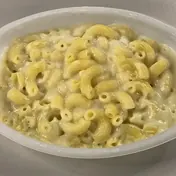
Vermont cheddar ★ 4.9
Sharp, firm, often clothbound cheddar made from Vermont cow's milk. The state's defining food export and the centre of every Burlington cheese plate.
Where to try it: The Inn at Shelburne Farms, City Market / Onion River Co-op, Healthy Living Market and Cafe, Hen of the Wood
Price: $8-22 a cheese plate
Vermont cheddar dates to 18th-century English settlers in the Green Mountains. Cabot Creamery formed as a farmer-owned co-op in Cabot, Vermont in 1919 and built the export reputation; Shelburne Farms began producing farmstead cheddar at the 1899 Webb-Vanderbilt estate in 1980; Jasper Hill in Greensboro now cellars cheese for cheesemakers across the state. Clothbound, raw-milk and aged styles range from Bayley Hazen Blue to Cabot Clothbound to Shelburne Farms' two-year aged.
Watch out for: Dairy
-
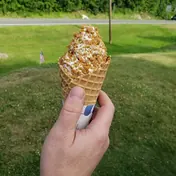
Maple creemee ★ 4.8
Soft-serve made with Vermont maple syrup folded into the cream base; deeper and more caramel-forward than vanilla, with a faint smokiness from the sugarhouse boil. The Vermont summer ice-cream.
Where to try it: The Skinny Pancake, Beansie's Bus
Price: $5-9
The term 'creemee' is Vermont vernacular for soft-serve; maple creemees rose to prominence in the 1960s as sugarhouses began folding maple syrup into commercial soft-serve mix to differentiate from out-of-state ice cream. Palmer Lane Maple, Morse Farm and dozens of sugarhouses serve the canonical version; in Burlington proper, the Skinny Pancake and seasonal lakefront vendors run them through summer.
Watch out for: Dairy
-
Heady Topper double IPA ★ 4.9
Hazy, intensely aromatic, 8% double IPA from The Alchemist in Stowe. Drink from the can; do not pour. Considered the beer that started the New England IPA category.
Where to try it: The Alchemist Brewery and Visitor's Center, Mule Bar, Vermont Pub and Brewery
Price: $15-22 a four-pack
John and Jen Kimmich founded The Alchemist as a Waterbury brewpub in 2003 and began canning Heady Topper from a new Waterbury cannery in 2011; production expanded to the Stowe brewery and visitor's center in 2016. The unfiltered haze, the floral citrus aromatics from late hop additions, and the 'drink from the can' instruction on the label became blueprints for an entire category of US craft beer. Sister IPA Focal Banger followed in 2014.
Watch out for: Gluten (barley malt)
-
Sugar on snow ★ 4.7
Hot maple syrup boiled to 234F and poured over packed clean snow; it sets to a chewy taffy you twirl on a fork. Traditionally served with a sour dill pickle and a plain doughnut to cut the sweet.
Price: Free at sugarhouse tours
A 19th-century sugaring-season tradition across northern New England and Quebec; sugarmakers would pour the partly reduced syrup over snow as a treat for visiting farmers. Now the showpiece of Vermont's Maple Open House Weekend (next edition March 20-21, 2027), when 80-plus sugarhouses open for free tours and tastings.
-
Vermont cheddar apple pie ★ 4.5
Apple pie served with a thick slice of sharp Vermont cheddar laid over the warm crust. A Vermont winter classic; the proverb runs 'an apple pie without the cheese is like a kiss without the squeeze.'
Where to try it: Frankie's, Hen of the Wood, August First Bakery
Price: $9-14 a slice
English settlers brought the cheese-and-apple-pie tradition over in the 17th and 18th centuries; the practice caught on across northern New England because both the apples (Champlain Valley McIntosh, Cortland, Empire) and the cheddar were Vermont-made and turned up on the same farmhouse table. The pie shows up on autumn menus across Burlington-area farm-to-table rooms September through November; Frankie's and Hen of the Wood have both run versions, and the canonical home pairing is Cabot Clothbound or a sharp Shelburne Farms two-year aged cheddar laid over a still-warm slice.
Watch out for: Gluten, Dairy
-
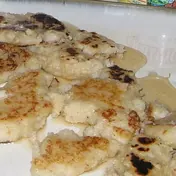
Johnnycakes ★ 4.3
Cornmeal griddle cakes; thicker than a pancake, crisp at the edge, served with butter and Vermont maple syrup. Native American in origin (Narragansett) and present in New England since pre-colonial times.
Where to try it: August First Bakery, Sneakers Bistro and Cafe
Price: $10-15 a plate
Johnnycakes are corn-griddle cakes made from stone-ground white or yellow cornmeal; the Narragansett word 'johanikin' or 'journey-cake' is the etymology debate. They predate wheat flour in New England and remained breakfast staples through the 19th century. Vermont versions usually use yellow corn and Vermont butter, and finish with maple. Found on a handful of farm-to-table brunch menus; not on every Burlington breakfast plate but a deep-rooted regional dish.
Watch out for: Dairy
-
Vermont maple old fashioned ★ 4.5
Bourbon or rye old fashioned sweetened with Vermont maple syrup in place of simple syrup; finished with an orange peel and a maple-soaked bing cherry.
Where to try it: Juniper at Hotel Vermont, The Whiskey Room, Devil Takes a Holiday
Price: $14-18
Local distilleries (Mad River, Smugglers' Notch, Whistlepig in Shoreham) and bartenders folded maple into the canonical American cocktail through the 2000s; the Vermont Maple Old Fashioned is now the default cocktail on Burlington bar menus that lean into local product. The Whiskey Room and Juniper at Hotel Vermont both run versions.
-
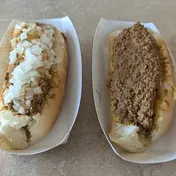
Michigan hot dog ★ 4.3
Split hot dog grilled with mustard, chopped raw onion and a meaty house chili sauce; not a Detroit-style coney but a northern New England regional variant.
Where to try it: Handy's Lunch, Beansie's Bus
Price: $4-7
The Michigan dog made its way to Burlington in the 1940s via Plattsburgh, NY, where Greek-American hot-dog stand owners adapted the Greek-influenced coney sauce to a northern audience. Beansie's Bus has served Michigan dogs at Battery Park since 1944 and Handy's Lunch on Maple Street since 1945; both are still doing it.
Watch out for: Gluten
-
Apple Cider Donut ★ 4.6
Vermont's defining autumn pastry: a cake-style donut made with fresh-pressed cider and warm spices, fried hot and rolled in cinnamon sugar at orchards and farmers markets September through November.
Where to try it: August First Bakery, Burlington Farmers Market vendors, Burlington Winter Farmers Market
Price: $2-4 each, $14-20 per dozen
Apple cider donuts grew out of New England's apple-orchard tradition in the early 20th century, when farmers reduced cider into a concentrate to fold into donut dough. Modern Vermont cider donuts shifted to cake-style batter in the postwar period for speed; Cold Hollow Cider Mill in Waterbury (founded 1974) helped standardise the cinnamon-sugar coating and the on-site fry. In Burlington proper, the donuts appear at the Burlington Farmers Market through autumn, at Champlain Orchards stands, and at August First Bakery, which runs a Vermont-cider-and-maple version.
Watch out for: Gluten, Dairy, Egg
-
Vermont Fiddleheads ★ 4.5
Wild ostrich-fern fiddleheads, foraged from the banks of the Winooski and along Lake Champlain in late April through May, blanched then sauteed in Vermont butter with lemon, salt and garlic.
Where to try it: Hen of the Wood, Misery Loves Co., Honey Road, Burlington Farmers Market vendors
Price: $14-22 a plate
Fiddleheads are the tightly curled shoots of the ostrich fern (Matteuccia struthiopteris), one of the few wild ferns safe to eat. They are foraged from late April to late May in Vermont, often on commercial scale by the Abenaki community and by independent foragers selling to Burlington restaurants and the Burlington Farmers Market. The dish is the Vermont equivalent of asparagus season: a 3 to 4 week window when fiddleheads appear on farm-to-table menus across the city. Hen of the Wood, Misery Loves Co. and Honey Road put them on the spring menu; the canonical preparation is the simplest. They must always be cooked, never raw.
Watch out for: Dairy
-
Vermont Maple-Glazed Bacon ★ 4.4
Thick-cut applewood-smoked Vermont bacon glazed with dark amber maple syrup and black pepper, baked or pan-finished until the maple caramelises to a deep mahogany lacquer.
Where to try it: Sneakers Bistro and Cafe, Misery Loves Co., August First Bakery, Onion City Chicken and Oyster
Price: $5-9 as a brunch side
Maple bacon is a Vermont breakfast convention born from the obvious coincidence: the state produces over half of US maple syrup and most farm households kept their own hogs. By the early 20th century smokehouse-bacon producers in northern Vermont (North Country Smokehouse, Vermont Smoke and Cure, Sugarbush Farm) began curing pork bellies with maple sugar instead of cane and finishing them with a maple glaze. The flavour profile became well-known in the 2000s thanks to the maple-bacon-doughnut wave and the Vermont Smoke and Cure pellet-smoker boom. Today every Burlington brunch room runs it: Sneakers Bistro, Misery Loves Co., Penny Cluse Cafe, and Pingala in fully vegan-bacon form.
-
Skinny Pancake Lumberjack Crepe ★ 4.4
Burlington's flagship local crepe: a thin Vermont-buckwheat-blend savoury crepe folded around sharp Cabot cheddar and Vermont smokehouse ham, served with a drizzle of Vermont maple syrup.
Where to try it: The Skinny Pancake, The Skinny Pancake (waterfront), Sneakers Bistro and Cafe
Price: $11-16 per crepe
The Skinny Pancake opened in 2003 as a single Burlington crepe cart, founded by Jonny and Benjy Adler with a manifesto to source 80 percent of ingredients from Vermont farms within 100 miles. The Lumberjack crepe (ham and Cabot cheddar, with a side of maple syrup) is the chain's bestselling savoury crepe and has been on the menu since the early years; Skinny Pancake also runs a parade of other Vermont-ingredient crepes (Choco Monkey, Johnny Crepe with maple-BBQ pulled pork). The chain now operates five Vermont locations plus an outlet at Burlington Airport, and remains one of the city's defining local-first food brands.
Watch out for: Gluten, Dairy, Egg
Signature Dishes in Burlington, FAQ
What food is Burlington known for?
Burlington's signature dishes include Vermont cheddar, Maple creemee, Heady Topper double IPA, Sugar on snow, Vermont cheddar apple pie. See our signature dishes chapter for where to eat each.