

Viator · 2 h
Chocolate Walking Tour in Zurich
The best chocolate experience in Switzerland! On this luxurious experience, step behind the scenes of the world’s finest chocolate boutiques, where quality meets craft...
fromCHF 85 Check dates
The plates that define Zurich: what they are, and where to eat the canonical version.
The plates that define Zurich: what they are, where they came from, and where to eat the canonical version.
Thin slices of veal in a white-wine and cream sauce with mushrooms and a sliver of kidney, served with golden butter rosti. The dish that defines Zurich-style cooking.
Where to try it: Zunfthaus zur Waag, Kronenhalle, Zeughauskeller
Price: CHF 44-58 with rosti
The dish was first documented as Zueri Gschnaetzlets in Swiss cookbooks of the late nineteenth century. The cream-and-mushroom sauce is a twentieth-century refinement; older versions used a simple stock and brown roux. Today most zunfthaus dining rooms in Zurich serve it as the canonical pairing with butter rosti, though some chefs reach back to the leaner historical version. Visitors should ask whether the kidney is included; the classic recipe at Zunfthaus zur Waag keeps it. The dish is on the menu at every traditional zunfthaus in the old city.
Watch out for: Milk, Sulphites
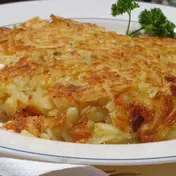
Coarsely grated potato pressed and pan-fried in butter until a deep golden crust forms. Switzerland's national starch, eaten under Geschnetzeltes or with sausage and onions.
Where to try it: Zunfthaus zur Waag, Kronenhalle, Le Dezaley
Price: CHF 16-26 as a side, CHF 22-32 as a main
Rosti began as a working breakfast in Bern in the nineteenth century, made with the leftover boiled potatoes that farm families kept on the stove. By the early twentieth century it had crossed the linguistic Roestigraben to become the standard accompaniment for German-Swiss meat dishes, particularly Zuercher Geschnetzeltes. Some Zurich kitchens insist on using waxy potatoes boiled the day before; others go straight from raw with floury varieties. Both schools have their defenders. The Bern variation includes diced bacon and onion in the cake; the Zurich version stays pure potato.
Watch out for: Milk
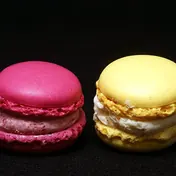
Spruengli's miniature macarons, sandwiched with cream filling: about half the size of a Parisian macaron, lighter, less sweet. Eat within 48 hours of buying.
Where to try it: Confiserie Spruengli, Cafe Spruengli Paradeplatz
Price: CHF 1.40-1.80 per piece
The Luxemburgerli was introduced at Spruengli in the 1950s by Camille Studer, a young pastry chef from Luxembourg who brought a light filled-macaron recipe from his homeland; the name is the Swiss diminutive for 'little Luxembourger'. Spruengli still does not sell them outside Switzerland; the cream filling is too perishable to ship. The current range rotates seasonally: vanilla, chocolate, raspberry, salted caramel, champagne, plus limited collaborations. The Paradeplatz flagship sells them at the front counter by the dozen, packed in pink-and-grey signature boxes.
Watch out for: Egg, Milk, Nuts
Viator · 2 h
The best chocolate experience in Switzerland! On this luxurious experience, step behind the scenes of the world’s finest chocolate boutiques, where quality meets craft...
Guided tour · 3.5 hours
Join us as we embark on a culinary adventure through the heart of Zurich, where you'll taste your way through the best local spots and discover the authentic flavours ...
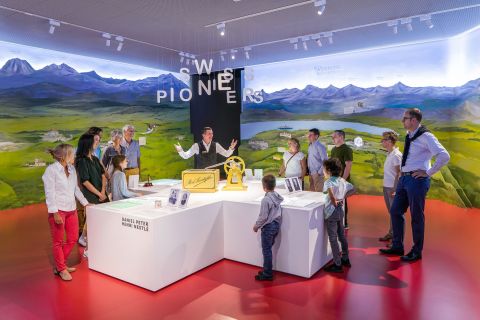
Guided tour · 1.5 hours
Explore the Lindt Home of Chocolate in Zurich on a guided tour. Learn everything about the world of cocoa from your guide and taste chocolate samples, pralines, and th...
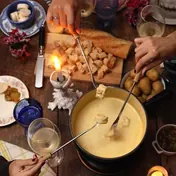
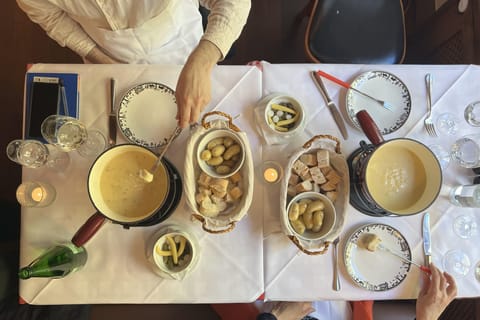
Equal parts Gruyere and Vacherin Fribourgeois melted with white wine, garlic and kirsch. The Swiss national fondue, eaten with bread cubes on long forks.
Where to try it: Le Dezaley, Restaurant Swiss Chuchi
Price: CHF 32-48 per person
Fondue began as a winter survival dish in the Alpine canton of Fribourg, melted with whatever cheese ends and stale bread were available. The moitie-moitie ratio of half Gruyere and half Vacherin Fribourgeois was codified in the early twentieth century as the Vacherin-producing region around Bulle pushed it into national menus. In Zurich it became a tourist-old-town staple after the Second World War, when fondue cellars like Swiss Chuchi (opened 1953) gave visitors something distinctly Swiss to eat under low ceilings. The kirsch finish is the German-Swiss touch; the French-Swiss often omit it.
Watch out for: Milk, Gluten, Sulphites
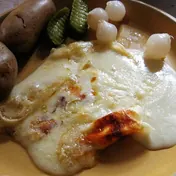
Half-wheels of Raclette du Valais cheese melted under a heat lamp and scraped onto boiled potatoes with cornichons, pickled onions and dried meats.
Where to try it: Le Dezaley, Restaurant Swiss Chuchi
Price: CHF 36-52 per person, all-you-can-eat
Raclette comes from the verb racler, to scrape, and was first recorded as a shepherd's meal in the Valais Alps in the medieval period. The cheese was melted by the fire and scraped onto bread. Zurich's old-town raclette cellars adopted the dish in the twentieth century with the same canonical sides: boiled potatoes, cornichons, pickled silverskin onions, sometimes Buendnerfleisch on the side. The half-wheel under a vertical heat lamp is the classic restaurant service. A Valais AOP designation has protected the cheese since 2003; outside the region it is sold simply as raclette cheese.
Watch out for: Milk
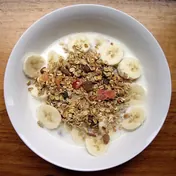
Rolled oats soaked in milk or yoghurt overnight, mixed with grated apple, lemon juice, hazelnuts and honey. Switzerland's quietly canonical breakfast.
Where to try it: Haus Hiltl, Cafe Spruengli
Price: CHF 12-18
Birchermuesli was developed by Maximilian Bircher-Benner, the Zurich physician who ran a Zurichberg sanatorium called Lebendige Kraft from 1904. He developed the recipe through nutritional experiments between roughly 1895 and 1900 and prescribed it as a raw, vitamin-rich morning meal to patients, modelled on a shepherd's breakfast he saw in the Swiss Alps. The original recipe used grated apple as the primary ingredient and oats only as a supplement, the modern proportions are roughly inverted. Haus Hiltl, opened 1898 down the hill, has served it ever since and is closest to the founding recipe.
Watch out for: Gluten, Milk, Nuts
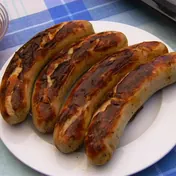
Pale veal-and-pork sausage from St. Gallen, grilled and served with sharp mustard on a Buerli bread roll. Zurich's standard street-side snack.
Where to try it: Sternen Grill, Vorderer Sternen
Price: CHF 8-12 with bread roll
The St. Galler Bratwurst, also called the Olma Bratwurst, was protected as a regional speciality in 2008 with a PGI designation. It is a veal sausage with a smaller amount of pork, traditionally eaten on its own with no mustard in St. Gallen, but in Zurich the grill culture insists on sharp mustard and a crisp Buerli bread roll. Sternen Grill on Bellevue, opened in 1963, made it the canonical Zurich late-night sausage with its devilishly sharp Sternen Senf. The sausage casing must be pale and the interior pinkish-grey; coloured or overly meaty is incorrect.
Watch out for: Gluten, Mustard
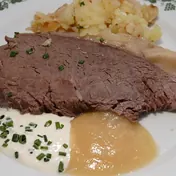
Boiled beef brisket served with the cooking broth, root vegetables, horseradish cream and apple-and-horseradish relish. Austria-Habsburg-via-Zurich.
Where to try it: Kronenhalle
Price: CHF 48-68
Tafelspitz crossed into Zurich from the Habsburg court via the bourgeois dining rooms of Vienna in the late nineteenth century. Kronenhalle made it part of the Zurich canon when Hulda Zumsteg added it to her menu in the 1930s, served with the same horseradish cream and apple relish that Viennese cooks used. Today it is one of the dishes most associated with Kronenhalle, the brisket cooked low and slow in a master stock that the kitchen has rebuilt across generations. The Zurich service still includes the bone-marrow toasts on the side, a Habsburg-court touch.
Watch out for: Milk
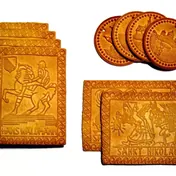
Zurich's honey-spiced biscuit: a paper-thin flat cookie embossed with scenes of city life, baked golden brown at high heat until crisp, traditionally given as Advent gifts.
Where to try it: Confiserie Spruengli, Cafe Spruengli, Cafe und Conditorei 1842
Price: CHF 2-5 per biscuit, CHF 18-30 per gift box
Tirggel are a Zurich speciality dating back to at least the 14th century, originally baked from a stiff dough of flour and honey pressed into elaborately carved wooden moulds depicting saints, animals and city landmarks. By the 16th century the moulds had become genuine art objects, kept by professional Tirggelbecker (Tirggel bakers) for generations, and the biscuit became the customary Christmas-season Zurich gift. The contemporary versions sold by Honold and Cafe Spruengli use the same recipe (flour, honey, spices, no fat, no leavening) and the same moulds, often medieval-era originals.
Watch out for: Gluten
Alpine herder's pasta: macaroni cooked together with cubed potato and onion in cream, finished with melted Alpine cheese and crispy fried onions, served with stewed apple sauce on the side.
Where to try it: Le Dezaley, Restaurant Swiss Chuchi, Zeughauskeller
Price: CHF 24-34
Aelplermagronen emerged in the high Alpine summer pastures of Uri, Schwyz and the central Swiss cantons in the 19th century. Macaroni reached Switzerland via the Gotthard rail in the 1880s; herders, who already had potatoes, onions, cream and the local hard cheese stockpiled in their alpine huts, combined the lot in a single pot over the wood fire. The Apfelmus (stewed apple) on the side is the Alpine balance: a sweet-sour acidic counterpoint to the rich pasta. In Zurich, Le Dezaley and Restaurant Swiss Chuchi keep it on the cold-weather menu; in mountain restaurants from October to April it is the standard hut lunch.
Watch out for: Gluten, Milk
Lake whitefish fillets in a featherlight beer batter, deep-fried to crisp gold, served with tartar sauce, lemon and a heap of fries. The defining Zurichsee summer plate.
Where to try it: Le Dezaley, Restaurant Markthalle, Wirtschaft Neumarkt
Price: CHF 36-48
Felchen are the indigenous lake whitefish (coregonus species) of the Swiss Alpine lakes including Zurichsee, Vierwaldstaettersee and Bodensee. They have been the staple lake catch for centuries; the Knusperli (literally little crispies) deep-fry treatment dates to early 20th-century Zurich lakeside terraces, which served the day's catch in a Swiss-beer batter to summer crowds. The dish became fixed in the city's grammar at lakeside restaurants by mid-century: a pile of golden goujons on a plate with fries, half a lemon, and a chilled glass of Federwiisser when the new wine appears.
Watch out for: Fish, Gluten, Egg
Zurich-style sour calves' liver: thin slices of calves' liver flash-fried in butter, deglazed with white-wine vinegar and finished with browned butter and shallots, plated with rosti or mashed potato.
Where to try it: Kronenhalle, Zunfthaus zur Waag, Wirtschaft Neumarkt
Price: CHF 36-48
Suuri Lebere (literally sour liver) is a Zurich-German speciality, a 19th-century bourgeois adaptation of older liver-and-onions cooking that added the vinegar and white-wine finish characteristic of Zurich cooking (the same flavour family as Zuercher Geschnetzeltes). Calves' liver was the Zurich market's everyday meat through the 1900s and Kronenhalle codified the dish in its 1930s menu under Hulda Zumsteg, served thin-sliced with rosti and a wedge of lemon. Today it appears on traditional zunfthaus menus including Zunfthaus zur Waag and Wirtschaft Neumarkt. The dish is finished tableside in some rooms; the vinegar must hit a hot pan to flash off the harshness and leave only the aroma.
Watch out for: Milk, Sulphites
Zurich's signature dishes include Zuercher Geschnetzeltes, Rosti, Luxemburgerli, Fondue Moitie-Moitie, Raclette. See our signature dishes chapter for where to eat each.