


Viator · 2 h
Chocolate Walking Tour in Zurich
The best chocolate experience in Switzerland! On this luxurious experience, step behind the scenes of the world’s finest chocolate boutiques, where quality meets craft...
fromCHF 85 Check dates
Ranked by TableJourney editorial score.
Typical price: CHF 2-5 per biscuit, CHF 18-30 per gift box
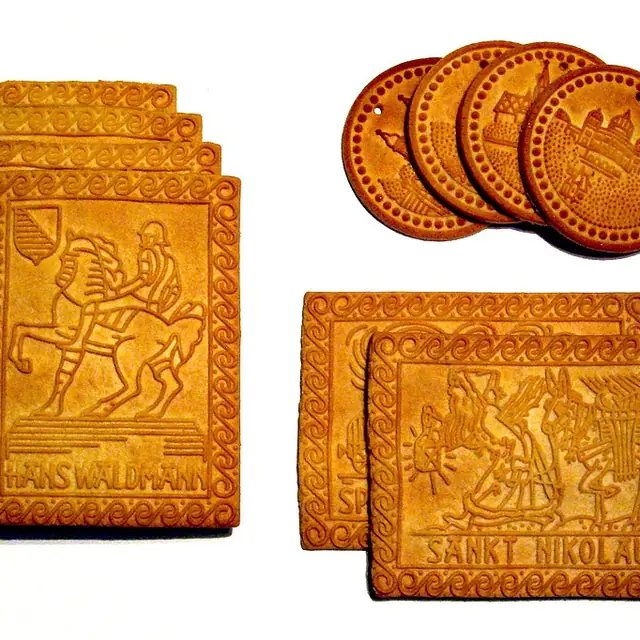
Zurich's honey-spiced biscuit: a paper-thin flat cookie embossed with scenes of city life, baked golden brown at high heat until crisp, traditionally given as Advent gifts.
Tirggel are a Zurich speciality dating back to at least the 14th century, originally baked from a stiff dough of flour and honey pressed into elaborately carved wooden moulds depicting saints, animals and city landmarks. By the 16th century the moulds had become genuine art objects, kept by professional Tirggelbecker (Tirggel bakers) for generations, and the biscuit became the customary Christmas-season Zurich gift. The contemporary versions sold by Honold and Cafe Spruengli use the same recipe (flour, honey, spices, no fat, no leavening) and the same moulds, often medieval-era originals.
3 editor picks for Tirggel in Zurich, ranked by editorial score. All Zurich signature dishes · Tirggel across every city.
Order Luxemburgerli
Founded 1836 on Bahnhofstrasse, 190 years in 2026.
Order Hot chocolate with Luxemburgerli
Cafe Spruengli on Paradeplatz, opened 1836: hot chocolate, Luxemburgerli, croissants, salads, the most Zurich way to start a Sunday on Bahnhofstrasse.
Drink Hot chocolate
The former Conditorei Schober building, a monument-protected 13th-century house with four floors.
Viator · 2 h
The best chocolate experience in Switzerland! On this luxurious experience, step behind the scenes of the world’s finest chocolate boutiques, where quality meets craft...
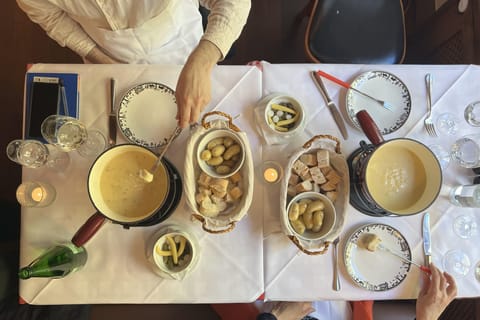
Guided tour · 3.5 hours
Join us as we embark on a culinary adventure through the heart of Zurich, where you'll taste your way through the best local spots and discover the authentic flavours ...

Guided tour · 1.5 hours
Explore the Lindt Home of Chocolate in Zurich on a guided tour. Learn everything about the world of cocoa from your guide and taste chocolate samples, pralines, and th...
Editor tip. The dough rest is non-negotiable; without 24+ hours, the imprint blurs and the biscuit will not hold. A Springerle mould is the closest commercially available substitute for a Tirggel mould; both are sold by Swiss and German cookware suppliers.
Common allergens: Gluten.
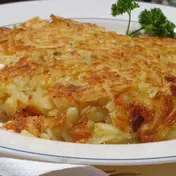 Rosti
Rosti Luxemburgerli
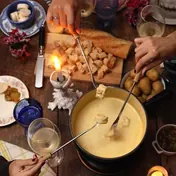 Fondue Moitie-Moitie
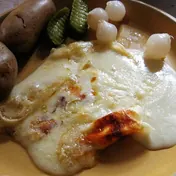 Raclette
 Birchermuesli
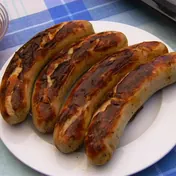 St. Galler Bratwurst
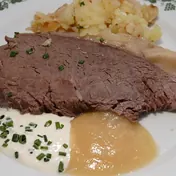 Tafelspitz
Where to eat Tirggel in SwitzerlandTirggel: best cities and venues