
The plates that define Valencia: what they are, where they came from, and where to eat the canonical version.
Signature dishes
-
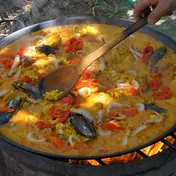
Paella valenciana ★ 4.9
Paella valenciana is Valencia's defining rice dish: bomba rice cooked over orange wood in a flat pan with rabbit, chicken, ferraura green beans, garrofo butter beans, saffron and tomato.
Where to try it: Casa Carmela, Casa Roberto, La Pepica, La Riua, El Encuentro
Price: €18-30 per person
Paella valenciana emerged in the 18th-century rice paddies of La Albufera south of Valencia, when farmers and shepherds cooked rabbit, chicken, ferraura beans and bomba rice over orange-wood embers for the noon-day field meal. The canonical recipe was codified by the early 19th century: rabbit, chicken, ferraura, garrofo butter bean, sometimes snails, saffron, sweet paprika, tomato, bomba rice. No chorizo. No seafood. The 2021 Paella Valenciana DOP legally defined the dish with ten obligatory ingredients. Casa Carmela on the Malvarrosa beachfront and Casa Roberto in the Eixample cook the canonical version; El Palmar in La Albufera grills paellas at source.
Watch out for: None typical
-
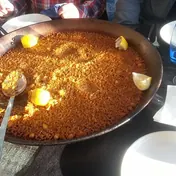
Arroz a banda ★ 4.7
Arroz a banda is Valencia's seafood-stock rice, cooked in a fish broth made from rockfish, served alone with allioli on the side: a sailor's rice from the Cabanyal fishing quarter.
Where to try it: La Riua, Casa Carmela, La Pepica, Rausell
Price: €16-25 per person
Arroz a banda emerged from the Cabanyal fishermen who could not sell the small rockfish (morralla) at market. They cooked the rice in the fish stock until the broth was absorbed, then ate it with allioli on the side. The name (banda = separately) refers to the fish being served apart from the rice, in the older tradition. Modern Valencian restaurants serve the dish without the fish, just the deeply-flavoured rice with allioli, at La Riua, Casa Carmela and the El Palmar restaurants.
Watch out for: Fish, Egg (allioli)
-
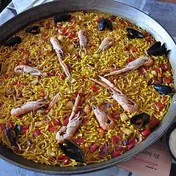
Fideua ★ 4.6
Fideua is the noodle-paella of the Cabanyal fishing quarter: short thin fideos noodles cooked in seafood stock with prawns, squid and monkfish, served with allioli on the side.
Where to try it: La Riua, Casa Carmela, Casa Roberto, El Rall
Price: €16-25 per person
Fideua was reputedly invented in the 1930s by Gabriel Rodriguez Pastor, a young Gandia cook who ran out of rice on board a fishing boat and substituted fideos noodles. The legend says the captain found the noodles preferable to rice and the dish stuck. The Cabanyal port quarter and Gandia south of Valencia both claim the origin. The dish is now cooked across Valencia, with the noodles tipped vertical in the pan as they cook, served with allioli, at La Riua and Casa Carmela.
Watch out for: Wheat, Shellfish, Fish
Book food experiences in Valencia


-
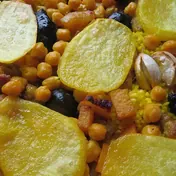
Arroz al horno ★ 4.5
Arroz al horno is the wood-oven-baked Valencian rice: a clay cazuela of bomba rice with chickpeas, blood sausage, pork ribs, tomato and potato slices, baked in the bread oven.
Where to try it: Navarro, Casa Roberto, Racons, El Encuentro
Price: €14-22 per person
Arroz al horno (rice in the oven) is the Valencian housewife's Monday dish, made from the leftovers of the Sunday cocido. Chickpeas, pork, blood sausage and morcilla from the previous day are layered with rice, tomato slices and potato in a clay cazuela and baked in the local panaderia's wood-fired oven on the way to work. The dish has been cooked in Valencian kitchens since the 17th century. Navarro and Racons cook canonical versions in central Valencia; the El Palmar restaurants in La Albufera bake the dish in their own wood ovens.
Watch out for: Pork
-
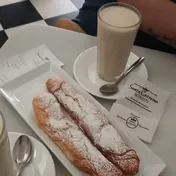
Horchata con fartons ★ 4.8
Horchata de chufa is Valencia's defining drink: a sweet iced beverage made from Alboraya tigernuts, served with long soft fartons for dipping.
Where to try it: Horchateria Daniel (Mercado Colon), Horchateria Santa Catalina
Price: €4-6 per glass with fartons
Horchata de chufa (tigernut milk) was brought to Valencia by the Moors in the 8th century. The chufa, a small earth-almond tuber, has been grown in the Alboraya huerta north of Valencia since then. The drink is made by soaking the chufas, grinding them, and pressing the milky liquid; the resulting drink is sweetened, iced and served in tall glasses. Horchateria Daniel scaled the family's Alboraya horchata into a city-wide brand from 1949. Fartons (long soft sticks) were invented specifically for dipping into horchata, with Polo the canonical maker (brand founded 1939 in Titaguas, moved to Alboraya in 1960).
Watch out for: Gluten (in fartons)
-
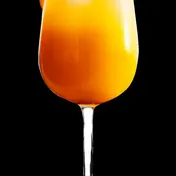
Agua de Valencia ★ 4.7
Agua de Valencia is the city's cocktail: Spanish cava blended with fresh Valencian orange juice, gin and vodka, invented in 1959 at Cafe Madrid.
Where to try it: Cafe Madrid, Cafe de las Horas
Price: €18-25 per carafe (serves 2-3)
Agua de Valencia was invented in 1959 by Constante Gil Rodriguez, the owner of Cafe Madrid on Carrer de l'Abadia de Sant Marti. The legend says a group of Basque tourists asked for agua de Bilbao (Basque cava); Constante poured them a cava-and-orange-juice mix and named it agua de Valencia after his city. The recipe has not changed since: Valencian orange juice, cava brut, gin, vodka and sugar, served by the carafe. The drink became canonical across the city, with Cafe Madrid still the canonical pour.
Watch out for: Sulfites (cava)
-
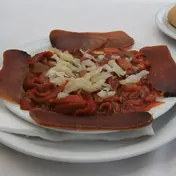
Esgarraet ★ 4.5
Esgarraet is Valencia's salt-cod and roasted-red-pepper salad: torn salt-cod, strips of roasted red pepper, garlic and olive oil, served cold as a tapa.
Where to try it: Casa Montana, Bar Ricardo, Tasca Angel, Bodega Anyora
Price: €6-10 per tapa
Esgarraet (Valencian for 'torn') emerged in the 19th-century inland Valencian villages, where dried salt-cod was the only fish available far from the coast. The fish is torn (esgarrar) into strips, mixed with roasted red peppers and raw garlic, and dressed with the best Valencian olive oil. The dish became canonical across the city as a tapa, especially at Casa Montana in the Cabanyal which has served the dish since 1836.
Watch out for: Fish
-
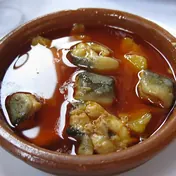
All i pebre ★ 4.4
All i pebre (garlic and pepper) is the eel-and-garlic stew of La Albufera south of Valencia: eel cubes in a thick paprika and garlic broth, with new potatoes.
Where to try it: Casa Manolo (Daimus), Casa Montana
Price: €18-28 per person
All i pebre (garlic and pepper) is the canonical fishermen's stew of La Albufera, the freshwater lagoon south of Valencia where eels were trapped in the rice-paddy channels. The dish was cooked over open fires in the lagoon's fishing villages, especially El Palmar. Eel pieces are simmered with garlic, sweet paprika, almonds and potatoes until the broth thickens. The dish remains the El Palmar specialty, served in the village's arrocerias with eel from the Albufera itself.
Watch out for: Fish
-
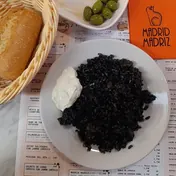
Arroz negro ★ 4.5
Arroz negro is Valencia's squid-ink rice: bomba rice cooked in a black squid-ink broth with cuttlefish, folded with sofrito and finished with a sear in a steel paella pan. Served with allioli on the side.
Where to try it: La Riua, Casa Roberto
Price: €18-26 per person
Arroz negro emerged in the Cabanyal fishing quarter, where cuttlefish ink was a free flavouring from the daily catch. The rice takes on the dramatic black colour from the ink, with the cuttlefish chopped through the rice. The dish became canonical across Valencia and the Catalan coast, served at La Riua and most Valencian rice kitchens. The allioli on the side cuts the richness of the ink.
Watch out for: Shellfish, Egg (allioli)
-
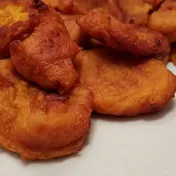
Bunyols de carabassa ★ 4.4
Bunyols de carabassa are Valencia's pumpkin doughnuts: a Fallas-season-only fried sweet ring of pumpkin-and-yeast dough, sugared and eaten hot from the fryer.
Where to try it: Horchateria Daniel (Mercado Colon), Horchateria Santa Catalina
Price: €3-5 for a half-dozen
Bunyols de carabassa (pumpkin doughnuts) are the canonical Fallas-week sweet, sold from street stalls across Valencia during the March 15-19 festival (and the first half of March). The dough mixes mashed pumpkin with a yeast starter, fried in olive oil and dusted with sugar. The tradition runs back at least to the 18th century. Outside Fallas season, the bunyols are hard to find; Horchateria Daniel keeps a year-round version on the carte.
Watch out for: Gluten, Egg
-
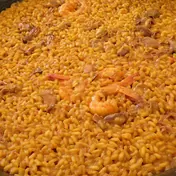
Arroz del senyoret ★ 4.4
Arroz del senyoret is the gentleman's paella: a seafood rice where all the shellfish is peeled before serving, so the eater does not have to do the work.
Where to try it: La Pepica, La Riua
Price: €22-32 per person
Arroz del senyoret (literally 'little gentleman's rice') is a Valencian and Alicante variation on seafood paella, where all the prawns, langoustines and squid are peeled and shelled before going into the rice. The dish was reputedly developed in coastal hotel kitchens for diners who did not want to dirty their fingers. The flavour-builder is the seafood stock made from the discarded shells. La Riua and La Pepica both cook canonical versions.
Watch out for: Shellfish, Fish
-
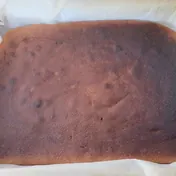
Coca de llanda ★ 4.3
Coca de llanda is the Valencian tray-baked sweet sponge: a lemon-zest and cinnamon sponge cake, baked in a flat metal tray (llanda), eaten with afternoon coffee.
Where to try it: Horno de San Bartolome, Levaduramadre
Price: €2-4 per slice
Coca de llanda (tray cake) is the Valencian housewife's daily sponge, baked in a flat metal tray (llanda) and eaten with afternoon coffee or hot chocolate. The recipe varies by family; the canonical version uses lemon zest, cinnamon, olive oil and sugar. The cake is sliced into squares and stored in a tin for a week. Horno de San Bartolome has baked the canonical version in central Valencia since the 1920s.
Watch out for: Gluten, Egg
-
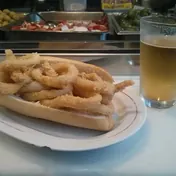
Bocadillo de calamares (Valencia style) ★ 4.4
Bocadillo de calamares is the working-day Valencian sandwich: floured fried squid rings on a fresh bread roll, with a lemon wedge and sometimes allioli.
Where to try it: Central Bar by Ricard Camarena, La Pilareta, Bodeguilla del Gato
Price: €4-8 per sandwich
The bocadillo de calamares became a Spanish working-day staple in the post-Civil War years, with each city developing its own version. The Valencian style uses squid from the lonja fish market, dredged in flour (no batter), fried briefly in olive oil and stuffed into a fresh bread roll with a lemon wedge. Central Bar inside the Mercado Central is the canonical Valencian counter version, sourced from the market's own fishmongers metres away.
Watch out for: Gluten, Shellfish, Egg (allioli)
-
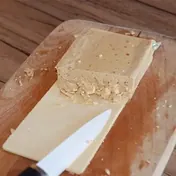
Turron de Jijona ★ 4.5
Turron de Jijona is the soft almond-and-honey nougat: ground Marcona almonds and Valencian honey, cooked into a paste and pressed into wood-frame bars.
Where to try it: Mercado Central, Mercado de Colon
Price: €12-25 per bar
Turron de Jijona (or turron de Xixona) from the Alicante province south of Valencia has been made since at least the 16th century. The soft turron mashes the Marcona almonds with Valencian orange-blossom honey into a paste, distinguishing it from the hard turron de Alicante (whole almonds in a brittle). The dish dominates Spanish December tables and is sold across the city in season. The Xixona and Jijona DOPs cover the canonical varieties.
Watch out for: Tree nuts, Egg whites
Signature Dishes in Valencia, FAQ
What food is Valencia known for?
Valencia's signature dishes include Paella valenciana, Arroz a banda, Fideua, Arroz al horno, Horchata con fartons. See our signature dishes chapter for where to eat each.