Bunol west of Valencia is the home of La Tomatina, the world's largest tomato fight (last Wed of August). Outside Fallas season, the village's tomato-jam, tomato-bread tradition runs at Meson del Tomate.
Tip: Tomatina tickets sell out months ahead through tomatina.es. Outside August, the village is quiet and the food scene small.
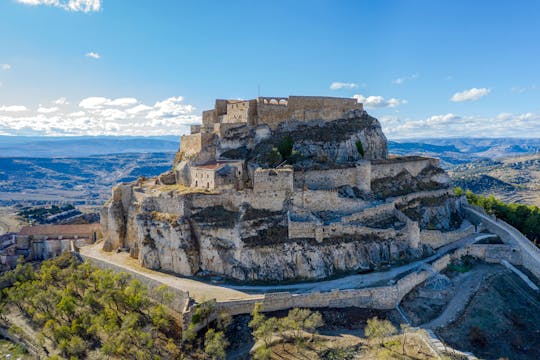
Xativa south of Valencia is the medieval birthplace of Pope Calixtus III and Pope Alexander VI, with an outstanding castle and a strong arroz al horno tradition at Casa La Abuela and Casa Carolo.
Tip: Lunch at Casa La Abuela for the wood-oven arroz al horno. Combine with the castle walk in the afternoon.
Gandia south of Valencia claims to be the birthplace of fideua (noodle paella), reputedly invented by Cabanyal fishermen who ran out of rice and substituted noodles in the 1930s.
Tip: Lunch at Restaurante Lloreng or Mar Plata for fideua. Beach restaurants along Playa de Gandia in summer.
Bocairent in the Sierra Mariola south of Valencia is a medieval hilltop village with mountain Valencian cuisine, gazpacho manchego (a savoury thick stew) and the embutido tradition.
Tip: Lunch at Riu-Rau or L'Estacio for the gazpacho manchego. Combine with the village walking trail and the Sierra Mariola natural park.
Sagunto north of Valencia is the Roman Saguntum, with an outstanding Roman theatre, castle and Jewish quarter. The food scene runs to Levantine tapas and the Sagunto port's fish.
Tip: Lunch at Casa Felix in the old town or Negresca by the port. Combine with the Roman theatre tour.
El Palmar is the fishing village in the middle of La Albufera, the freshwater lagoon where paella was born. Arroceria Maribel (Bib Gourmand, chef Maria Jose Estevens) cooks paella valenciana with rabbit, chicken, ferraura and bomba rice; Bon Aire and Nou Raco are the other El Palmar arroceria options.
Tip: Reserve lunch at Arroceria Maribel or Bon Aire 2 weeks ahead. Combine with a sunset boat tour on the lagoon.