
The plates that define Johannesburg: what they are, where they came from, and where to eat the canonical version.
Signature dishes
-
Kota
Kota is a street sandwich built on a quarter of a loaf of bread, hollowed out and filled with potato fries, fried egg, baloney, Frankfurter and spicy pickles.
The name is pidgin for quarter, for the loaf. Reports describe a homegrown street sandwich created out of the bitterness of apartheid.
Watch out for: Gluten (bread), Egg
-

Chakalaka
Chakalaka is a South African vegetable relish, usually spicy, traditionally served with bread, pap, samp, stews or curries.
It is said to have originated in the townships of Johannesburg or in the gold mines around the city, where Mozambican mineworkers cooked tinned tomatoes and beans with chili to make a spicy Portuguese-style relish to go with pap.
-
Pap en Vleis
Pap en vleis is maize meal porridge with grilled meat, the usual meal at a weekend braai. Pap is a stiff, fluffy porridge of maize meal served with a stewed meat gravy.
Where to try it: The Braai Republic
Maize replaced sorghum as the primary grain at some point, and there is dispute over whether it arrived with Portuguese settlers or spread through Africa earlier. Many families ferment their pap for a few days, which gives it a tangy flavour.
Book food experiences in Johannesburg
-

Boerewors
Boerewors is the South African farmer's sausage, the staple of the braai. By government regulation it must contain at least 90 percent meat or fat from beef, pork, lamb or goat.
The name comes from the Afrikaans boer, a farmer, and wors, sausage. Braai itself originated with the Afrikaners and has since been adopted by South Africans of many ethnic backgrounds.
Watch out for: Sulphites and spices may vary by maker
-
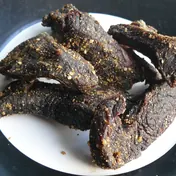
Biltong
Biltong is dried, preserved meat, cut into strips, and a snack shared across Southern Africa alongside the braai.
The word comes from the Afrikaans bil, buttock, and tong, strip or tongue. Local lore says Afrikaner pioneers made it in the 17th century, while others speculate that settlers adopted an indigenous custom of preserving meat.
-
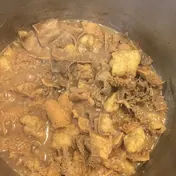
Mogodu
Mogodu is a stew of chopped serobe (tripe) and mala (intestines), often served with hot pap or dumpling.
Mogodu belongs to the Southern African tradition of pap served with a flavourful stewed meat gravy.
-
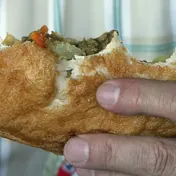
Vetkoek (Amagwinya)
Vetkoek is a South African comfort food sold by street vendors across the country. It is also known as igwinya, plural amagwinya, in Xhosa, Zulu and Setswana.
The name vetkoek means fat cake in Afrikaans. Travellers on long journeys developed it as portable, durable food.
Watch out for: Gluten
-
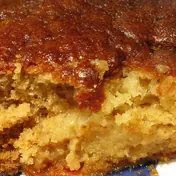
Malva Pudding
Malva pudding contains apricot jam and has a spongy caramelised texture. A cream sauce is poured over it while hot, and it is usually served warm with cold custard or ice-cream.
It is thought to be originally of Dutch and Cape Dutch origin, and many South African restaurants offer it.
Watch out for: Gluten, Dairy, Egg
-

Potjiekos
Potjiekos is a slow-cooked stew made in a round, cast iron, three-legged cauldron called a potjie, heated with small amounts of wood or charcoal.
Traditionally the recipe has meat, vegetables such as carrots, cabbage, cauliflower or pumpkin, and starches such as rice or potatoes, slow-cooked with Dutch-Malay spices.


Signature Dishes in Johannesburg, FAQ
What food is Johannesburg known for?
Johannesburg's signature dishes include Kota, Chakalaka, Pap en Vleis, Boerewors, Biltong. See our signature dishes chapter for where to eat each.