How Johannesburg came to eat the way it does: the people, migrations and accidents that shaped the plate.
Key eras
-
Gold rush founding (1886)
Johannesburg was established in 1886, following the discovery of gold, on what was once farmland. Within a decade the population surged to over 100,000.
-
Mine and township cooking (twentieth century)
Chakalaka is said to have originated in the townships of Johannesburg or in the gold mines around the city, where Mozambican mineworkers cooked tinned tomatoes and beans with chili to make a spicy Portuguese-style relish to eat with pap. In urban townships, shebeens became informal community centres where black South Africans kept their cultural and culinary traditions.
Taste it todayChakalaka -
Apartheid and the kota
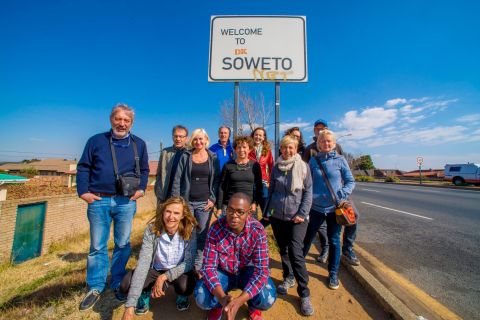
Soweto was designated a blacks only city until 1994. The kota, a tasty, inexpensive and homegrown street sandwich, was created out of the bitterness of apartheid and is still loved in Soweto and across Johannesburg.
-
Recent decades
Cyrildene has in recent years turned into Chinatown, and the inner city now offers Ethiopian feasts, Portuguese restaurants in Troyeville and street food in Fordsburg.
Immigrant influences
- Mozambican mineworkers
- Said to have given Johannesburg chakalaka, a spicy Portuguese-style relish of tinned tomatoes, beans and chili cooked to go with pap.
- Afrikaner and Dutch
- Braai, the social event of cooking meat over an open fire, originated with the Afrikaners and has since been adopted by South Africans of many backgrounds; boerewors takes its name from the Afrikaans boer, farmer, and wors, sausage.
- Indian South African
- Indian indentured labourers brought curried dishes in the nineteenth century, and curry is now popular among people of all ethnic origins.
- Ethiopian
- Ethiopian feasts are found in Braamfontein Werf, and Little Addis in Maboneng serves stew-and-injera meals.
- Portuguese
- Old-school Portuguese spots are found in Troyeville.
- Chinese
- Cyrildene's Chinatown has restaurants specialising in Szechuan, Manchurian and Cantonese cuisine.
Signature innovations
- The kota, a quarter loaf filled with slap chips, Russian sausages, polony and sauces
- Chakalaka, the relish said to come from Johannesburg's townships or gold minesTaste it todayChakalaka